ARCO Lisboa 2025
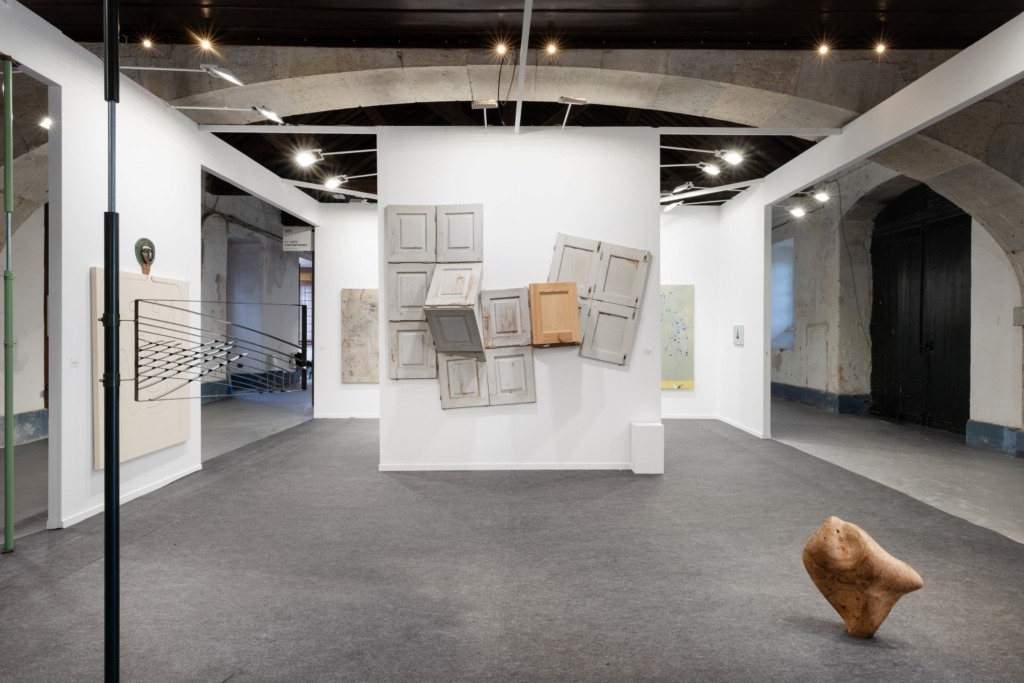
Stand G01 view. Photo: Bruno Lopes
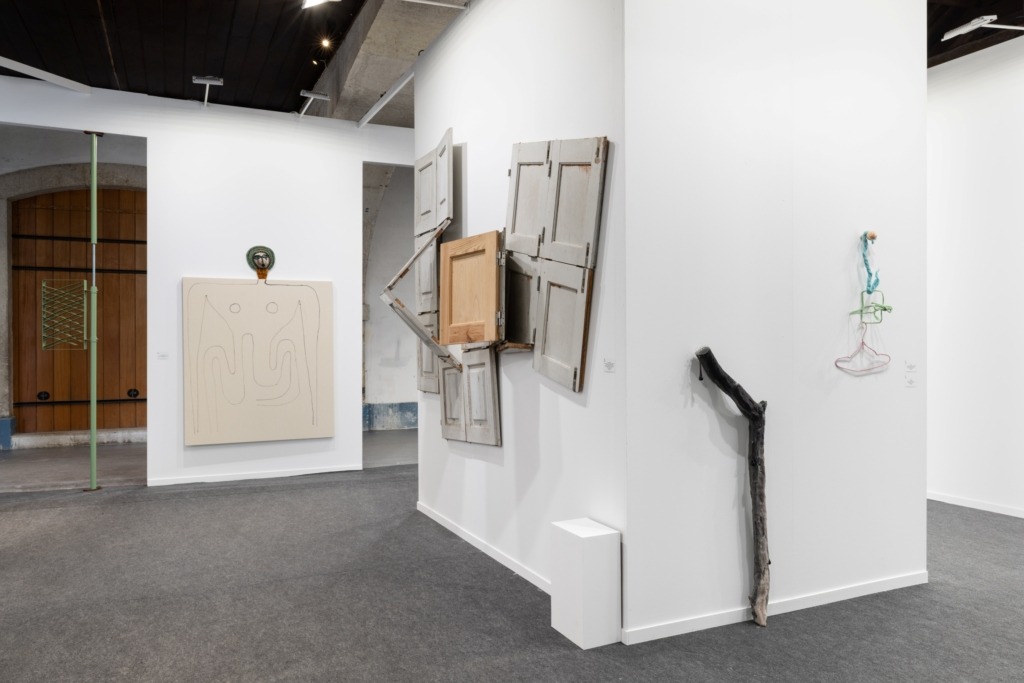
Stand G01 view. Photo: Bruno Lopes
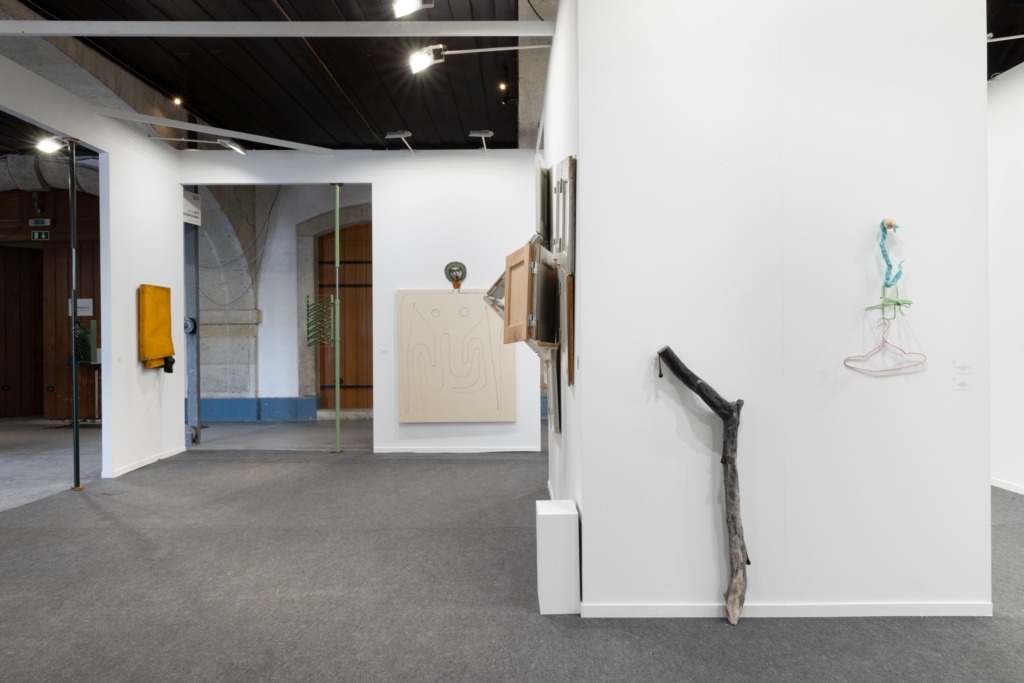
Stand G01 view. Photo: Bruno Lopes
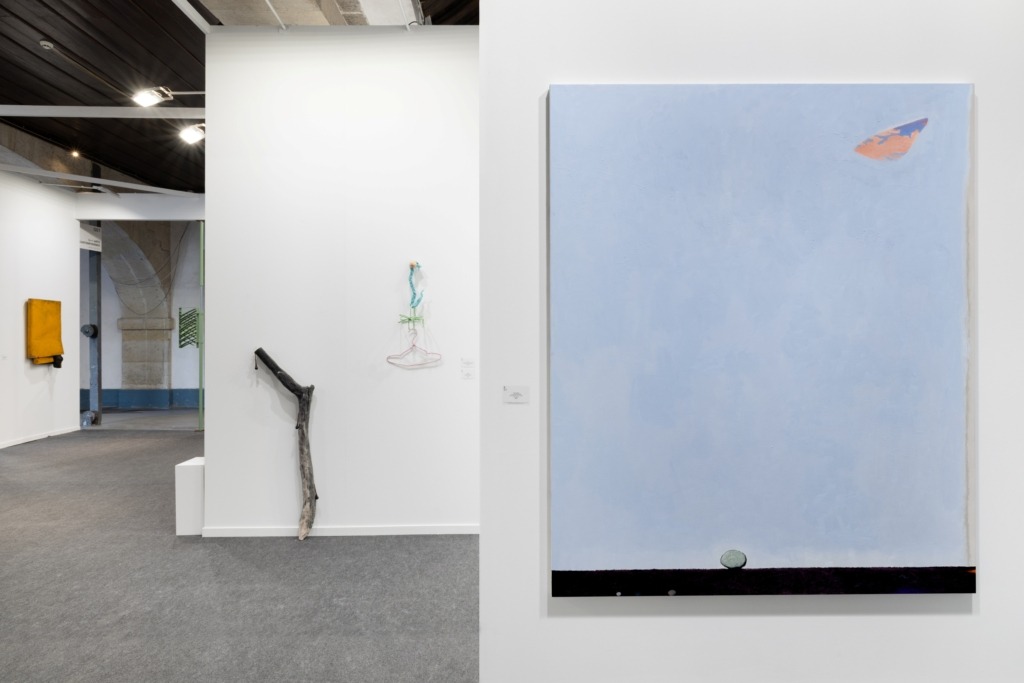
Stand G01 view. Photo: Bruno Lopes
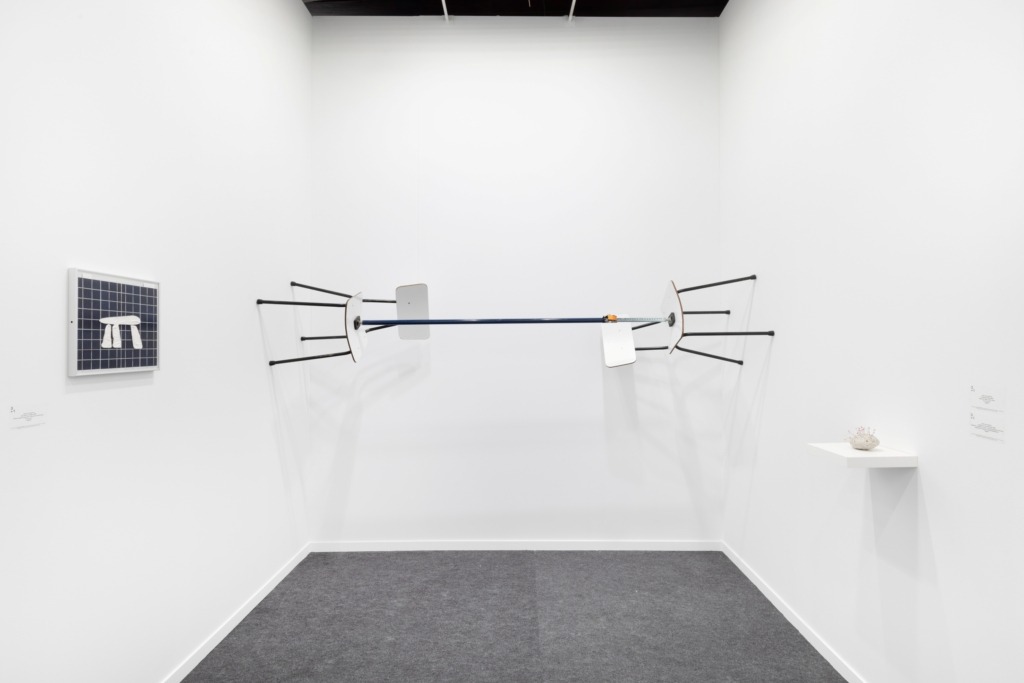
Stand G01 view. Photo: Bruno Lopes
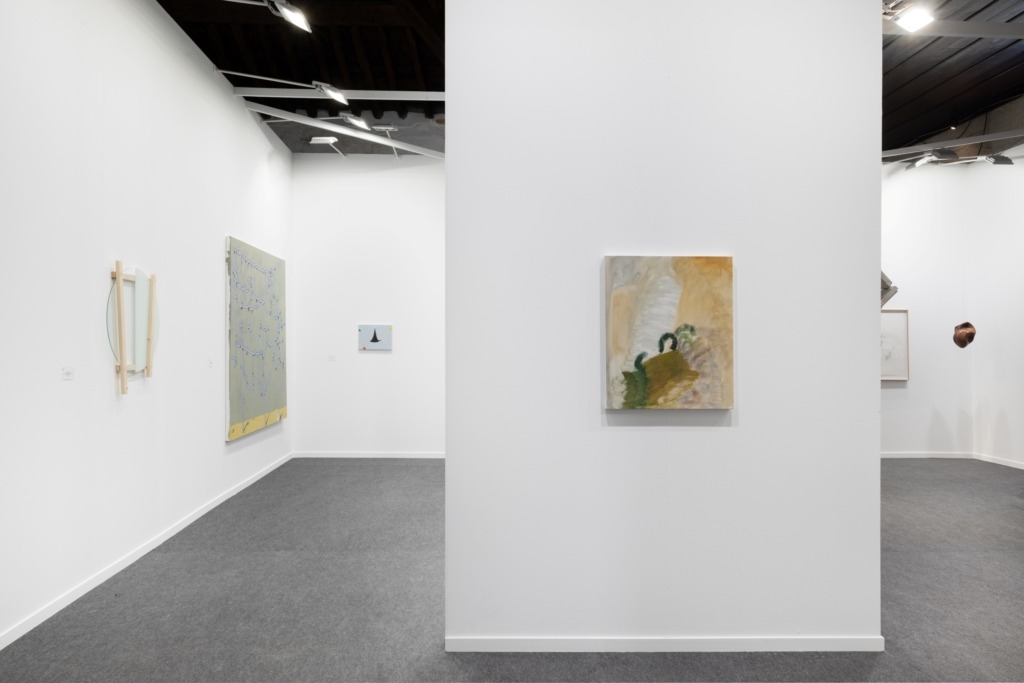
Stand G01 view. Photo: Bruno Lopes
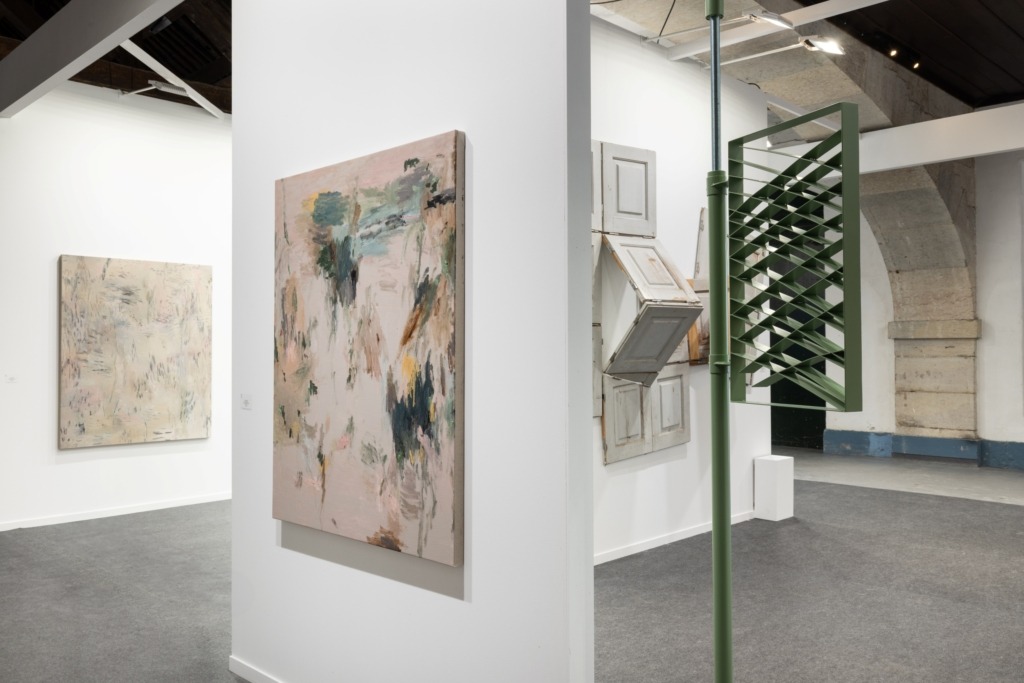
Stand G01 view. Photo: Bruno Lopes
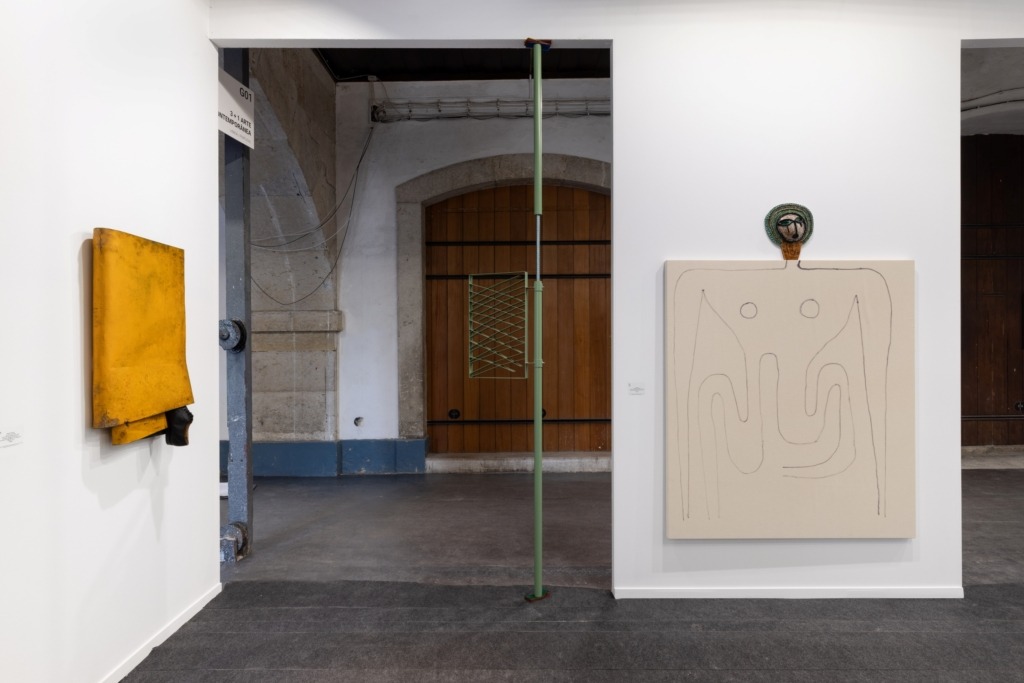
Stand G01 view. Photo: Bruno Lopes
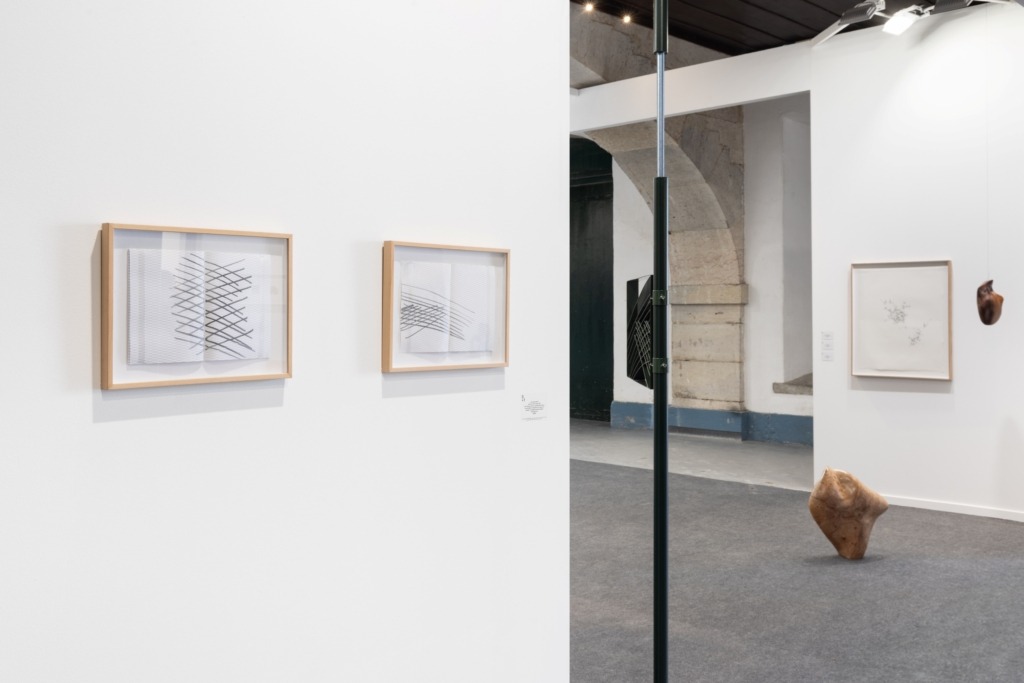
Stand G01 view. Photo: Bruno Lopes
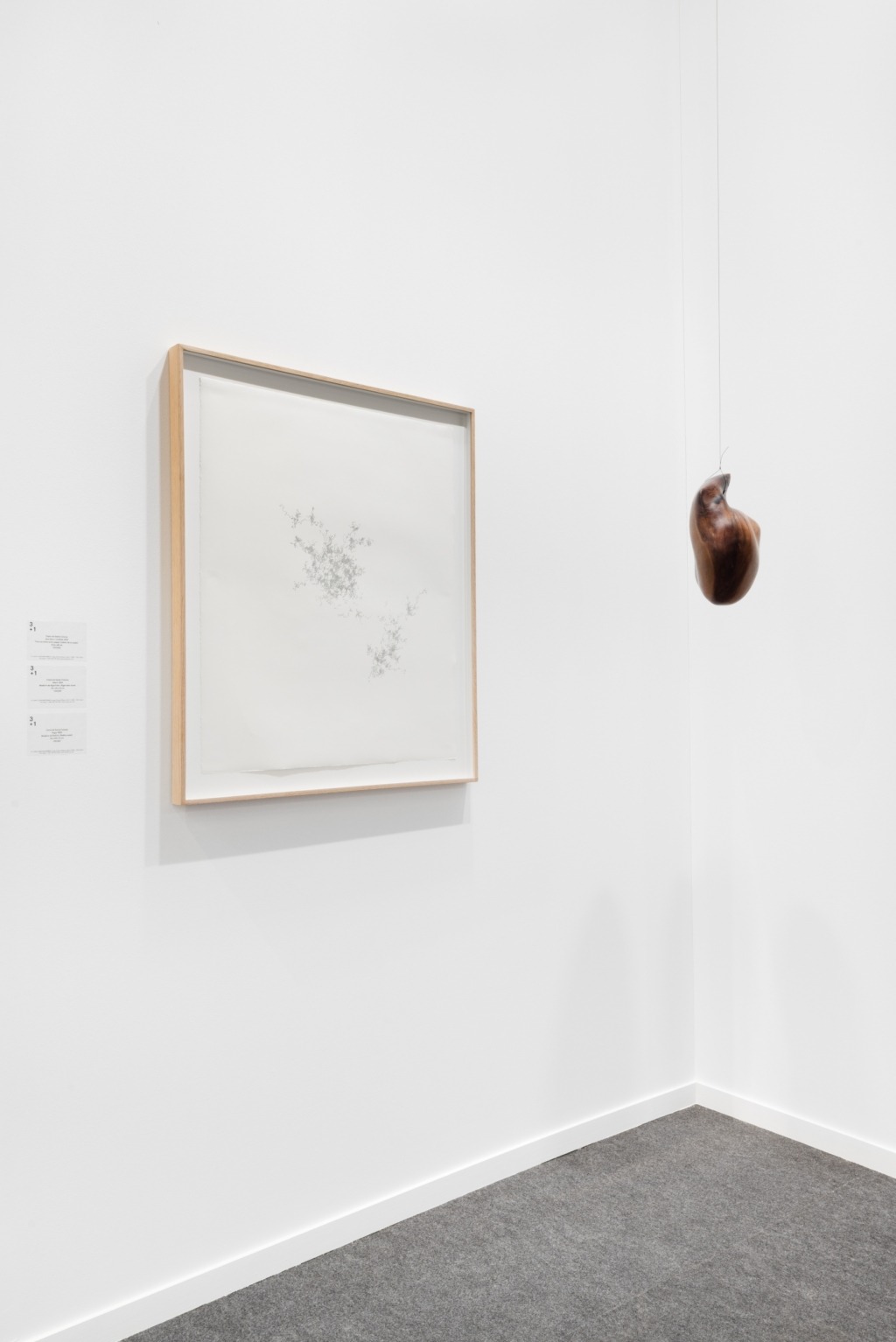
Stand G01 view. Photo: Bruno Lopes
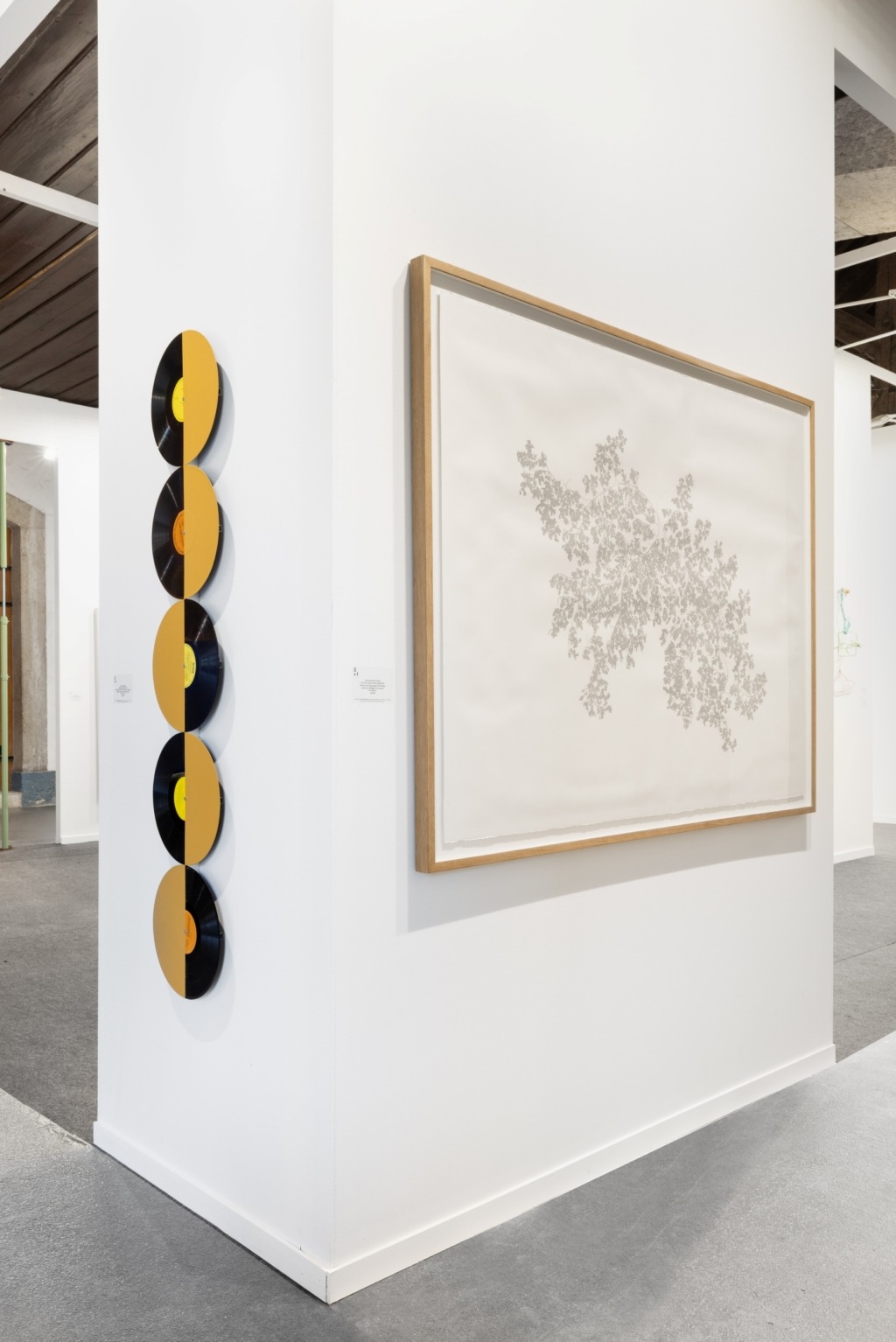
Stand G01 view. Photo: Bruno Lopes
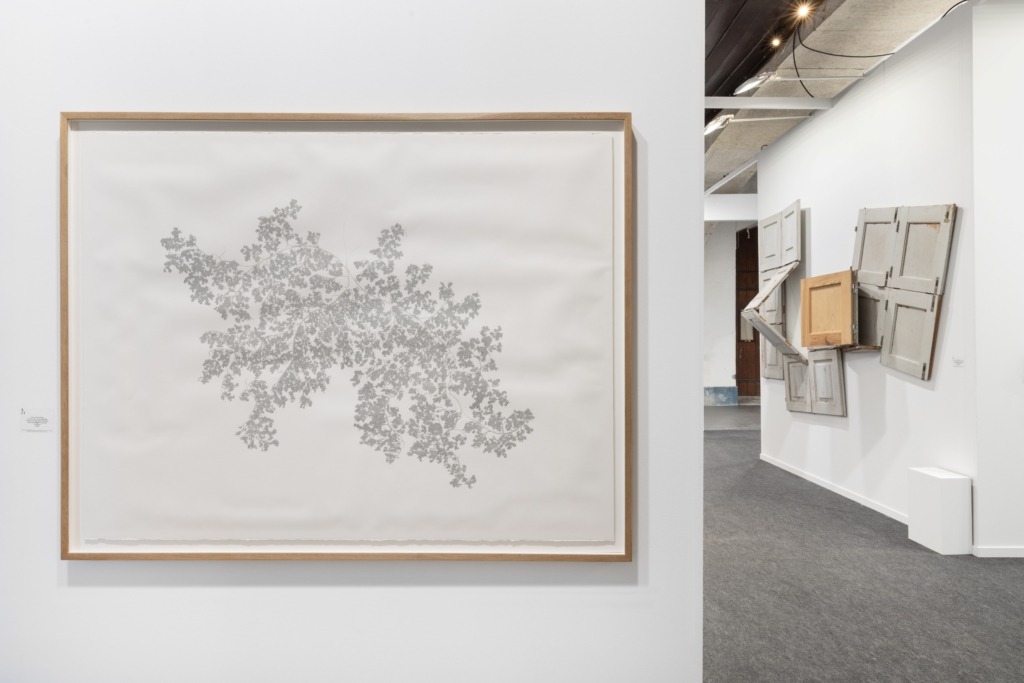
Stand G01 view. Photo: Bruno Lopes
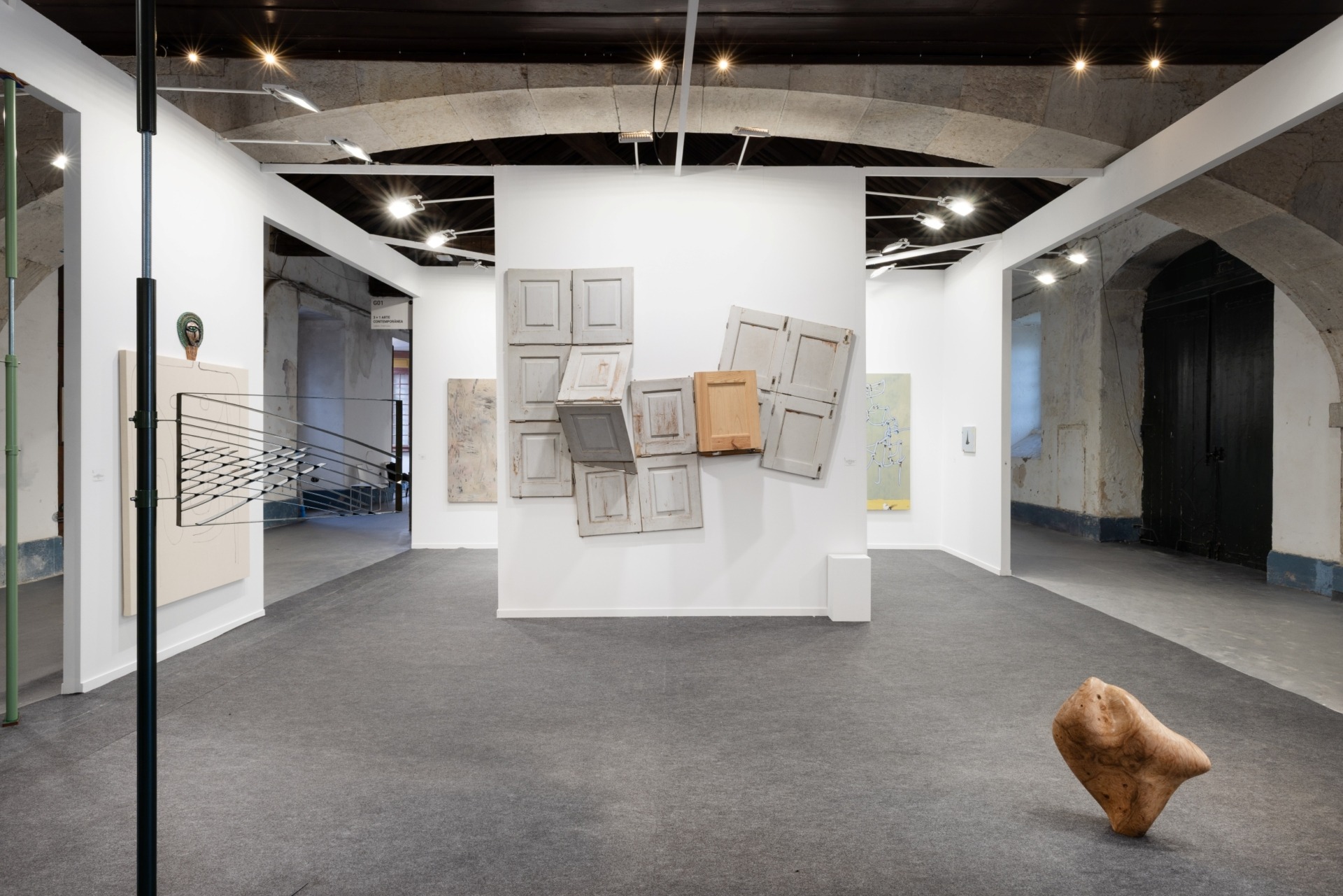
Stand G01 view. Photo: Bruno Lopes
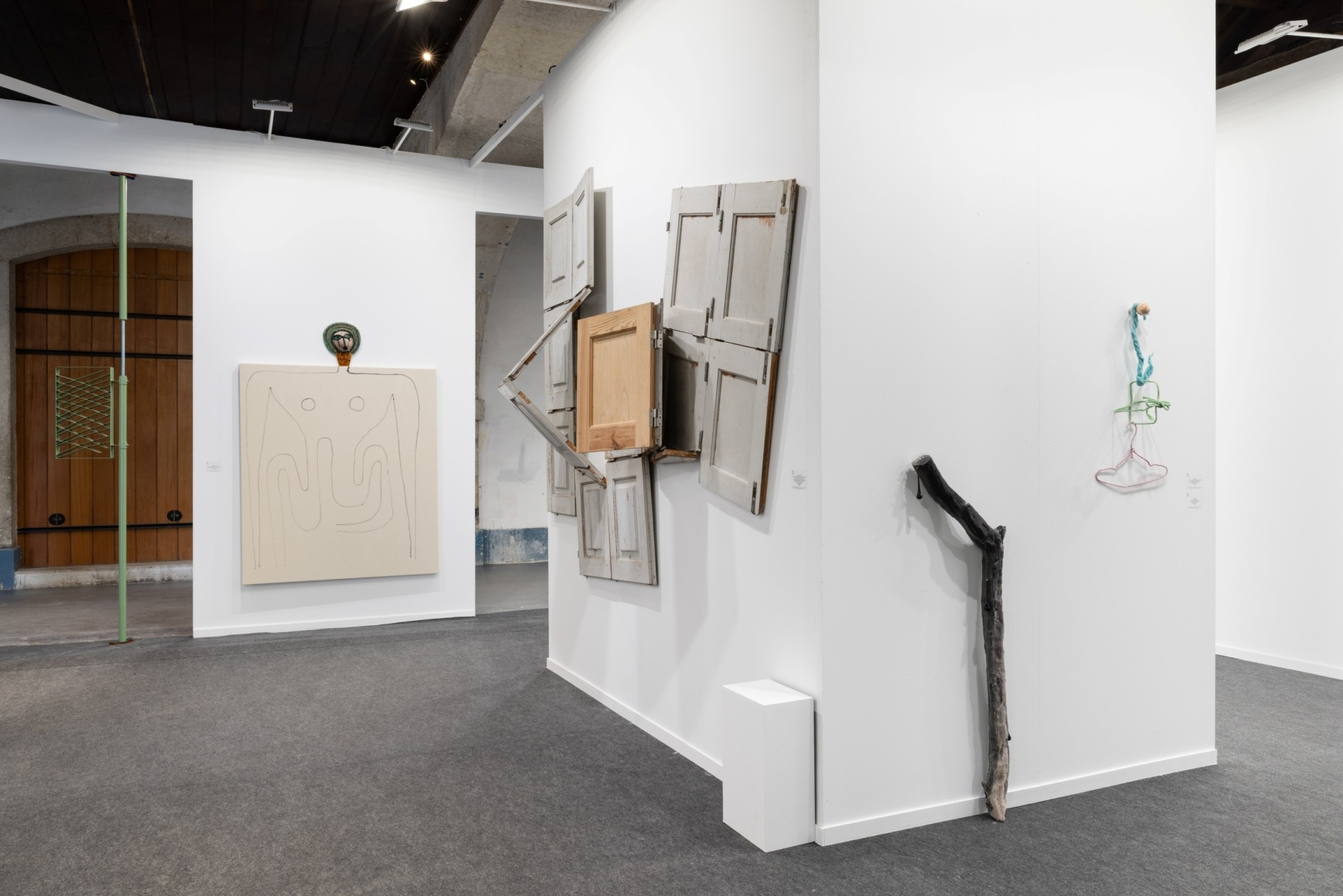
Stand G01 view. Photo: Bruno Lopes
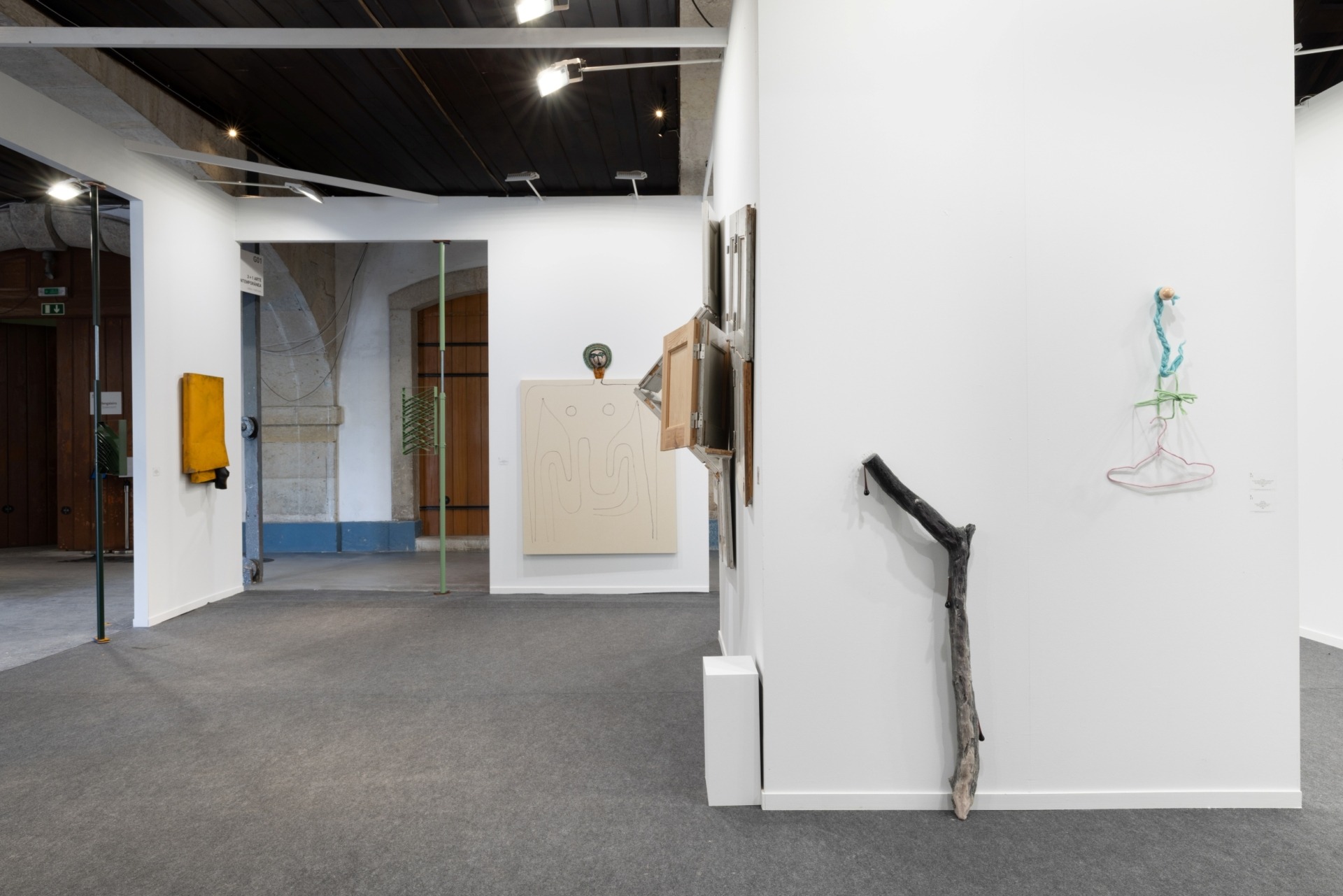
Stand G01 view. Photo: Bruno Lopes
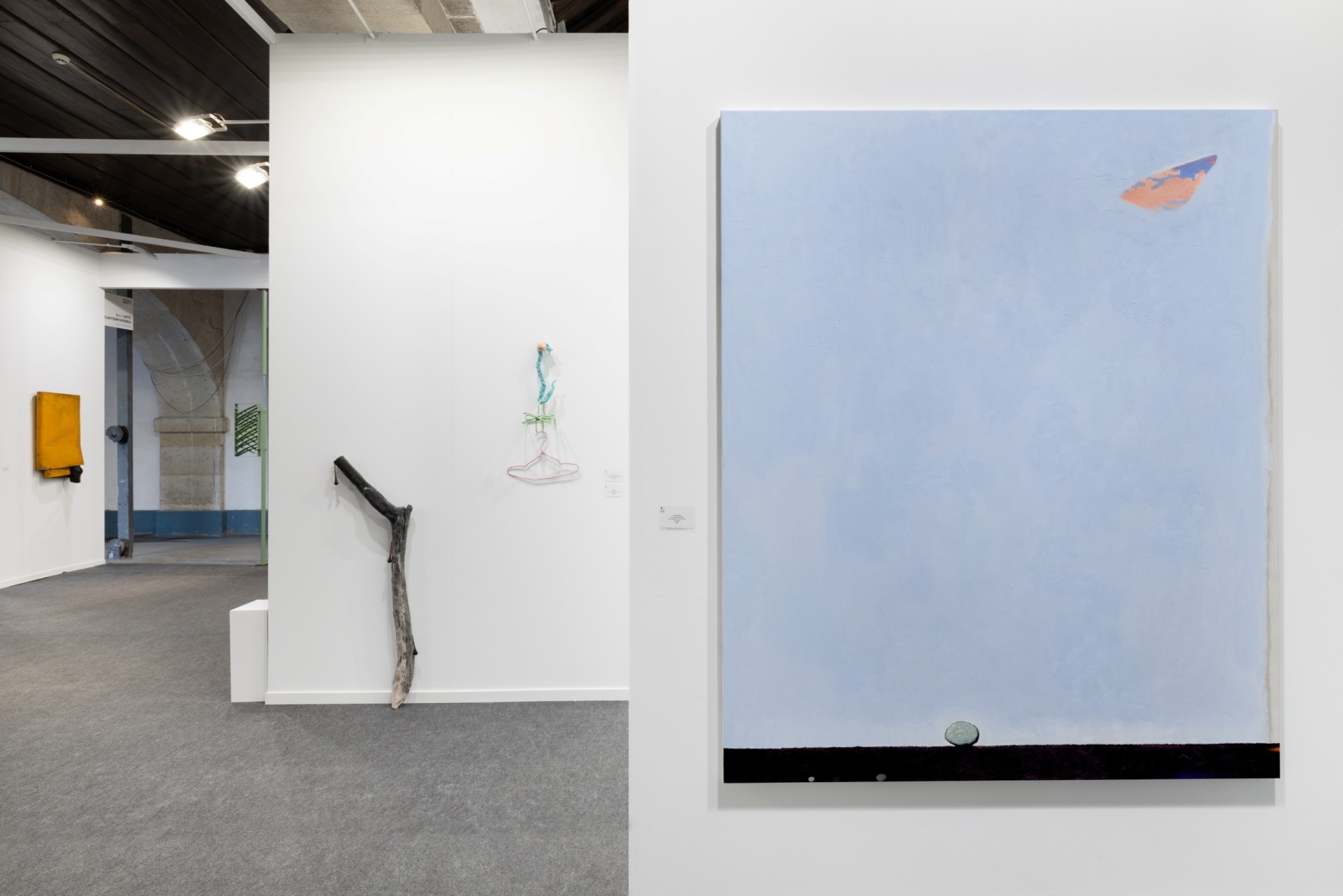
Stand G01 view. Photo: Bruno Lopes
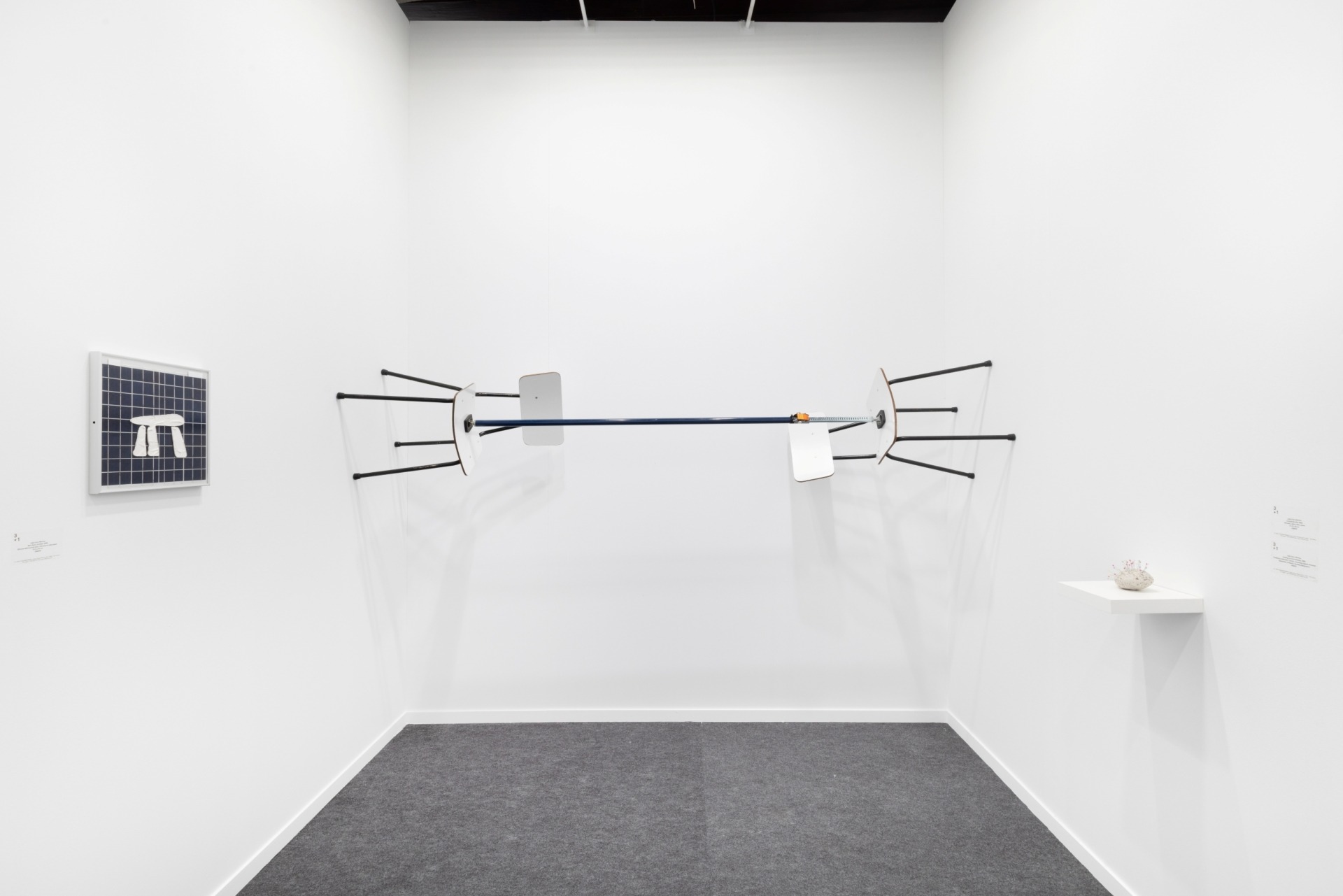
Stand G01 view. Photo: Bruno Lopes
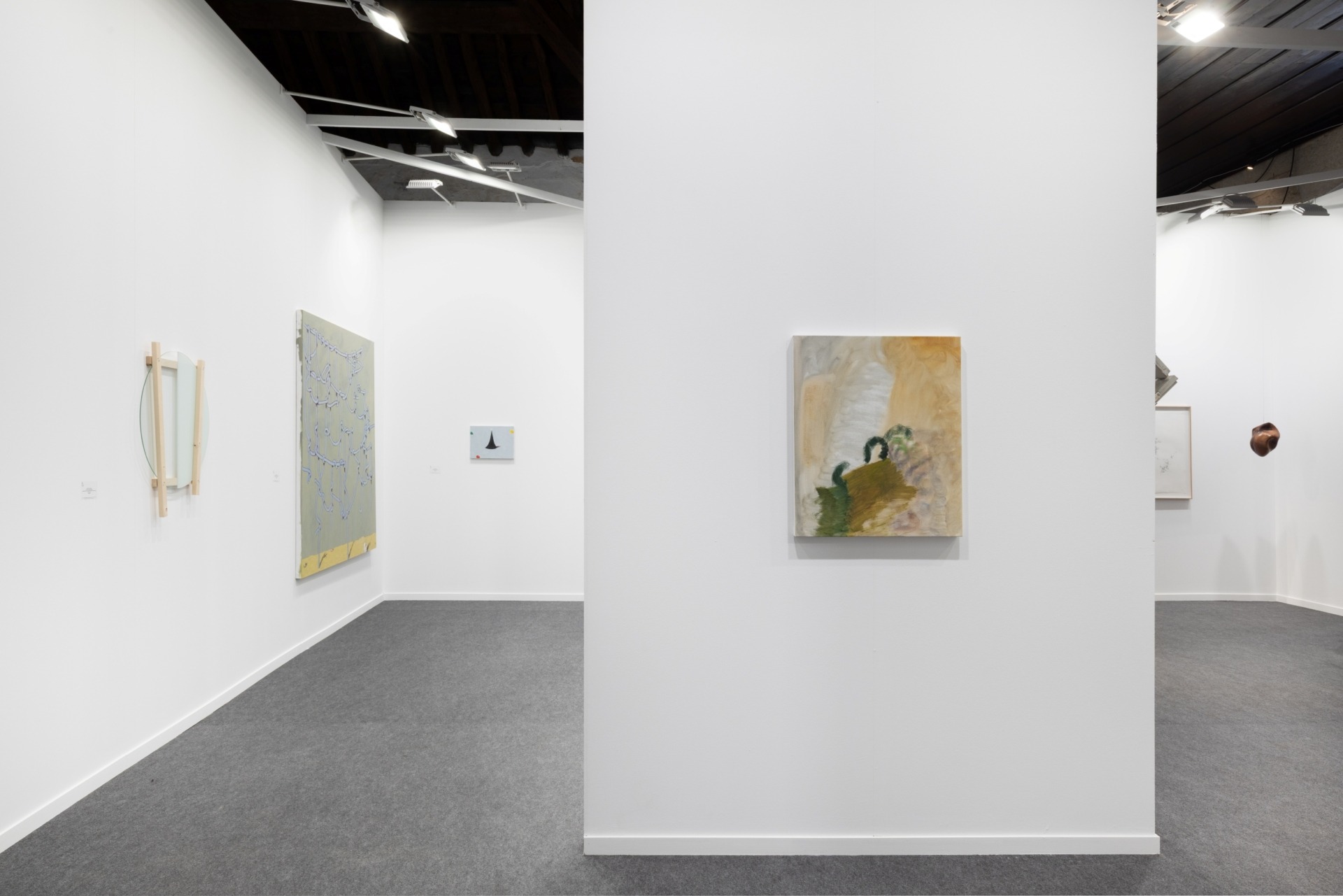
Stand G01 view. Photo: Bruno Lopes
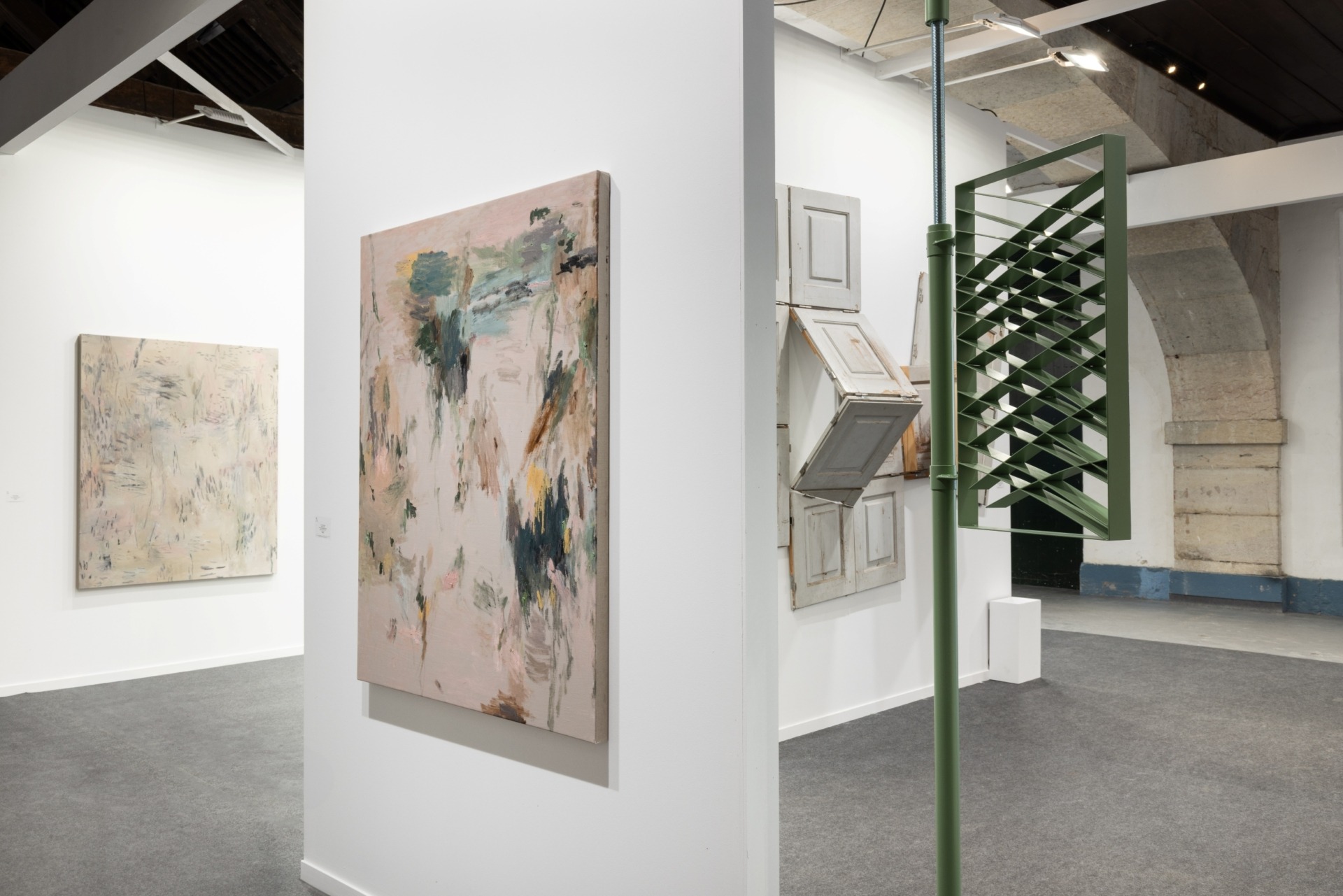
Stand G01 view. Photo: Bruno Lopes
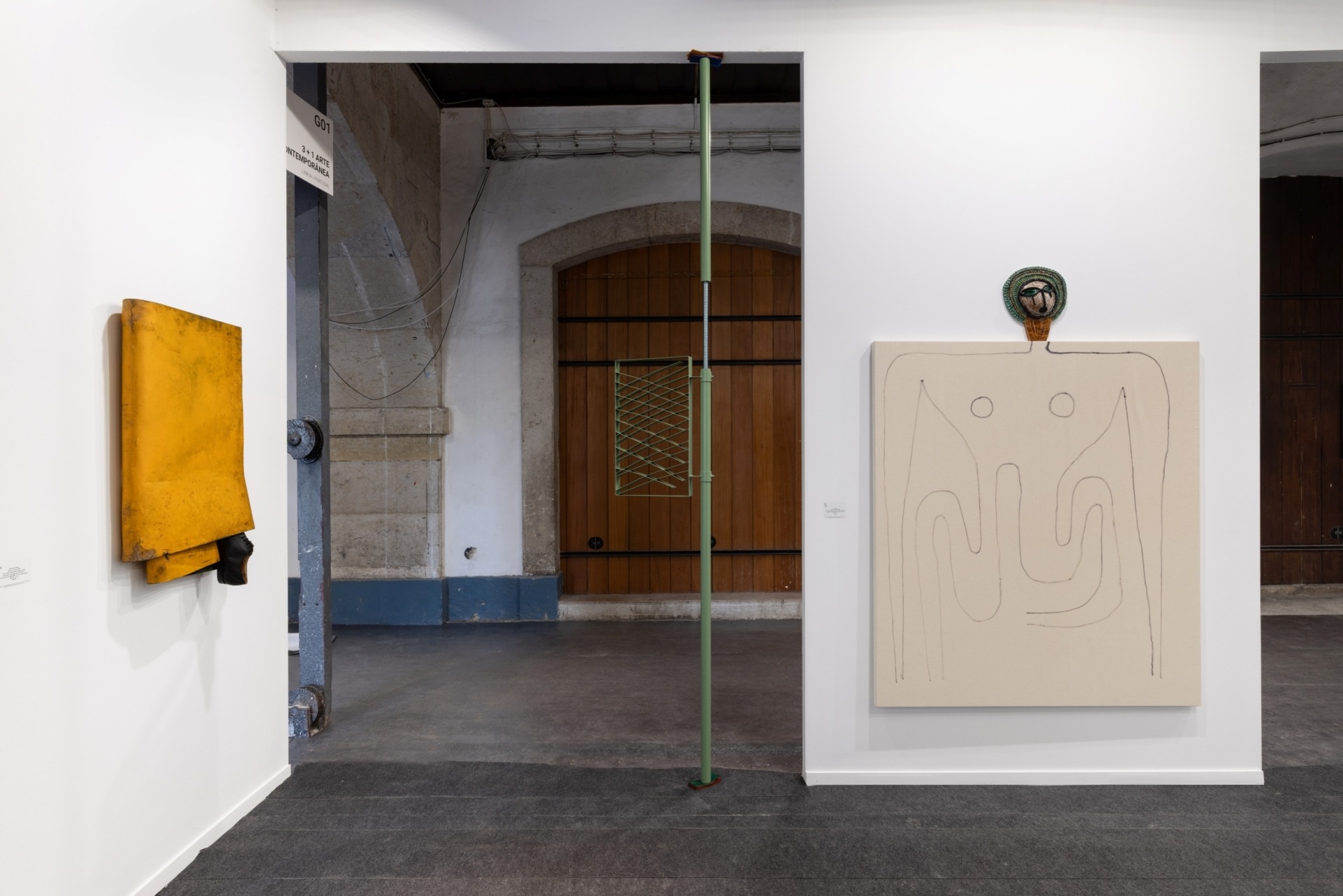
Stand G01 view. Photo: Bruno Lopes
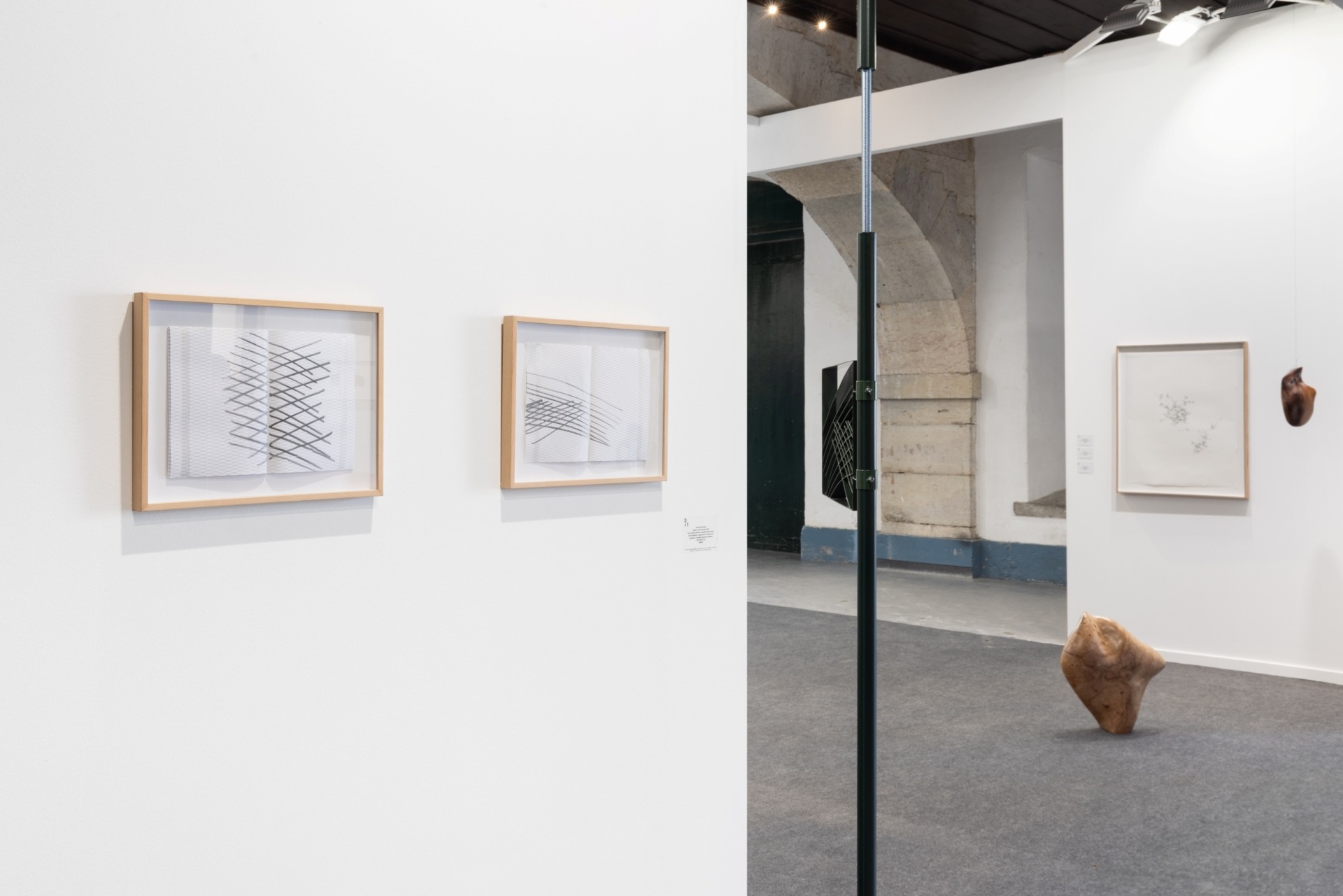
Stand G01 view. Photo: Bruno Lopes
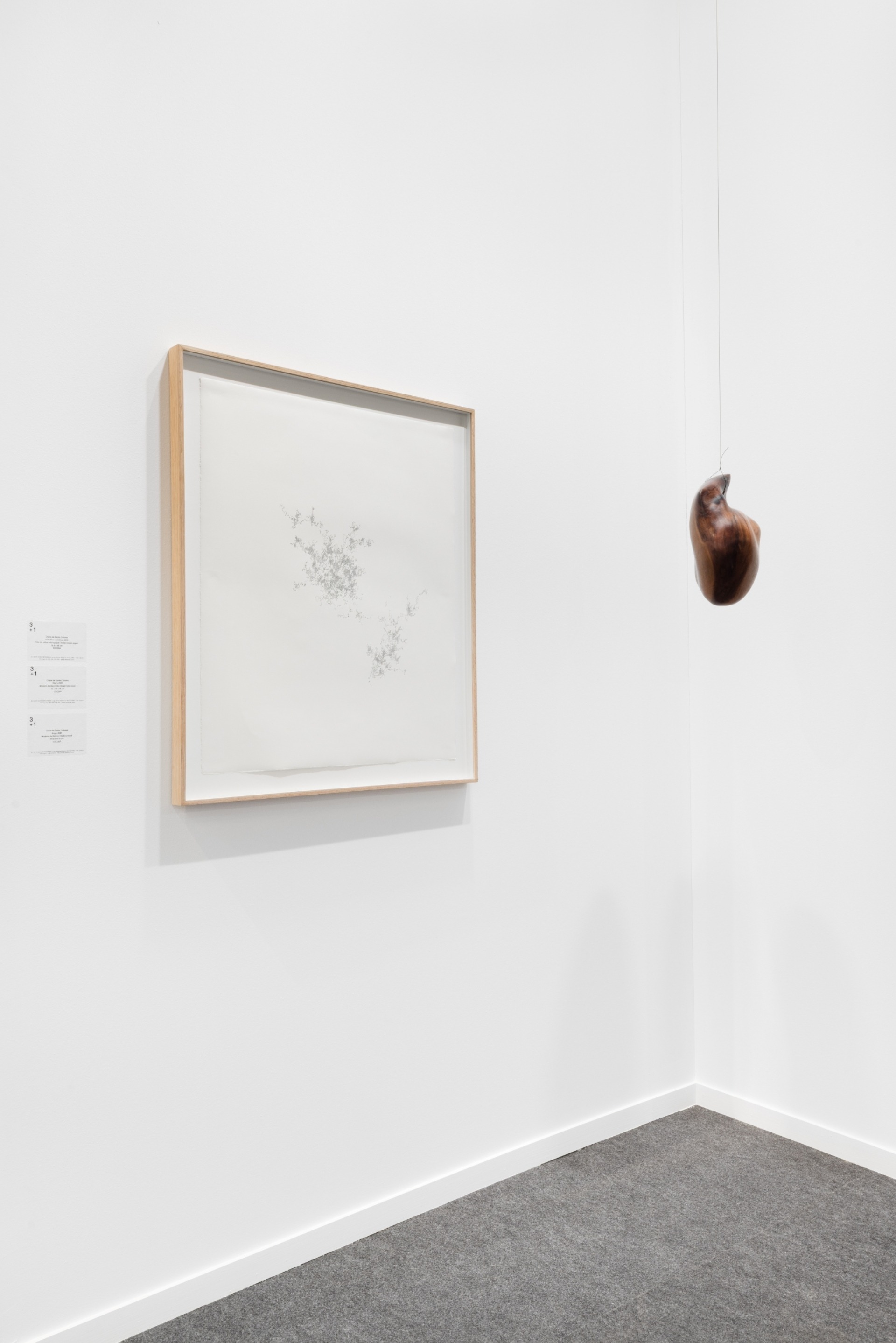
Stand G01 view. Photo: Bruno Lopes
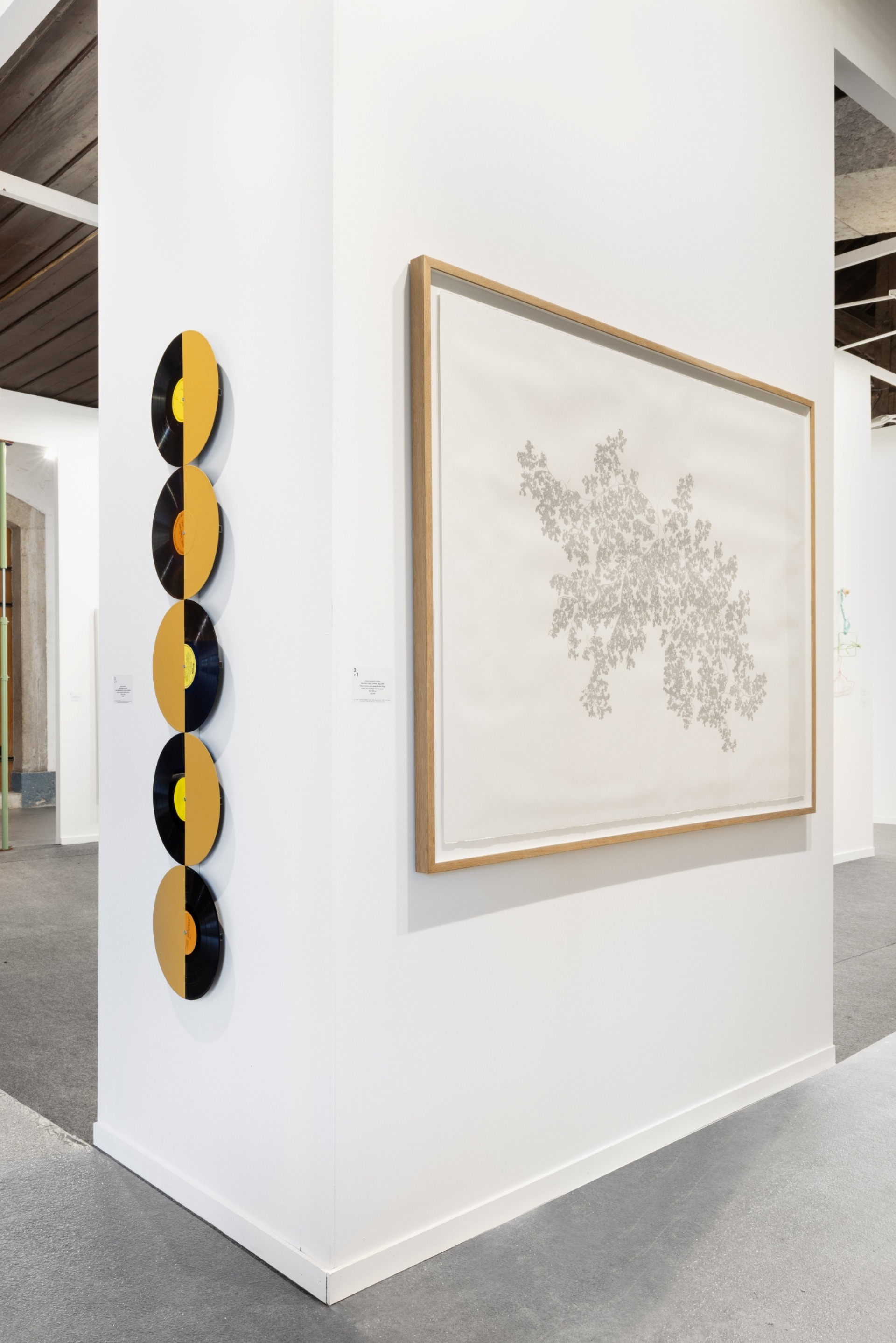
Stand G01 view. Photo: Bruno Lopes
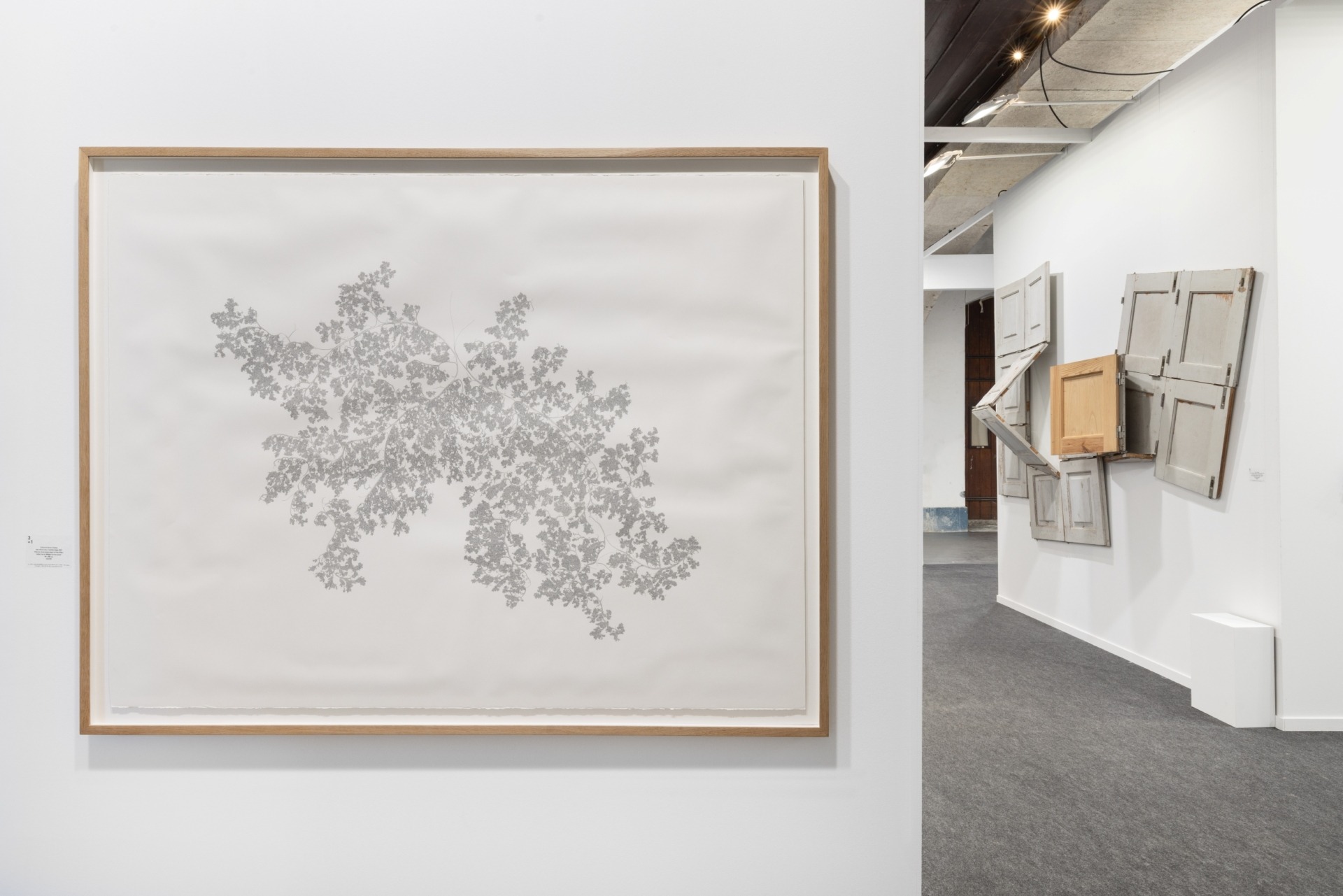
Stand G01 view. Photo: Bruno Lopes
As humans enter an age beyond their control with the introduction of AI, our paths are becoming unclear as we regress into fantastical ignorance in search of belligerent plains evading an escalation of our self-eviction and existence from Earth. Still, there exists a gift and pleasure in experiencing what is touched and crafted by our hand. The imperfections that appear as the result of something physically made by us as opposed to the precision of machine made, become more desirable as they appeal as more authentic. In this notion, we explore the practices of seven artists whose works clearly reveal the touch of their hands.
Claire de Santa Coloma
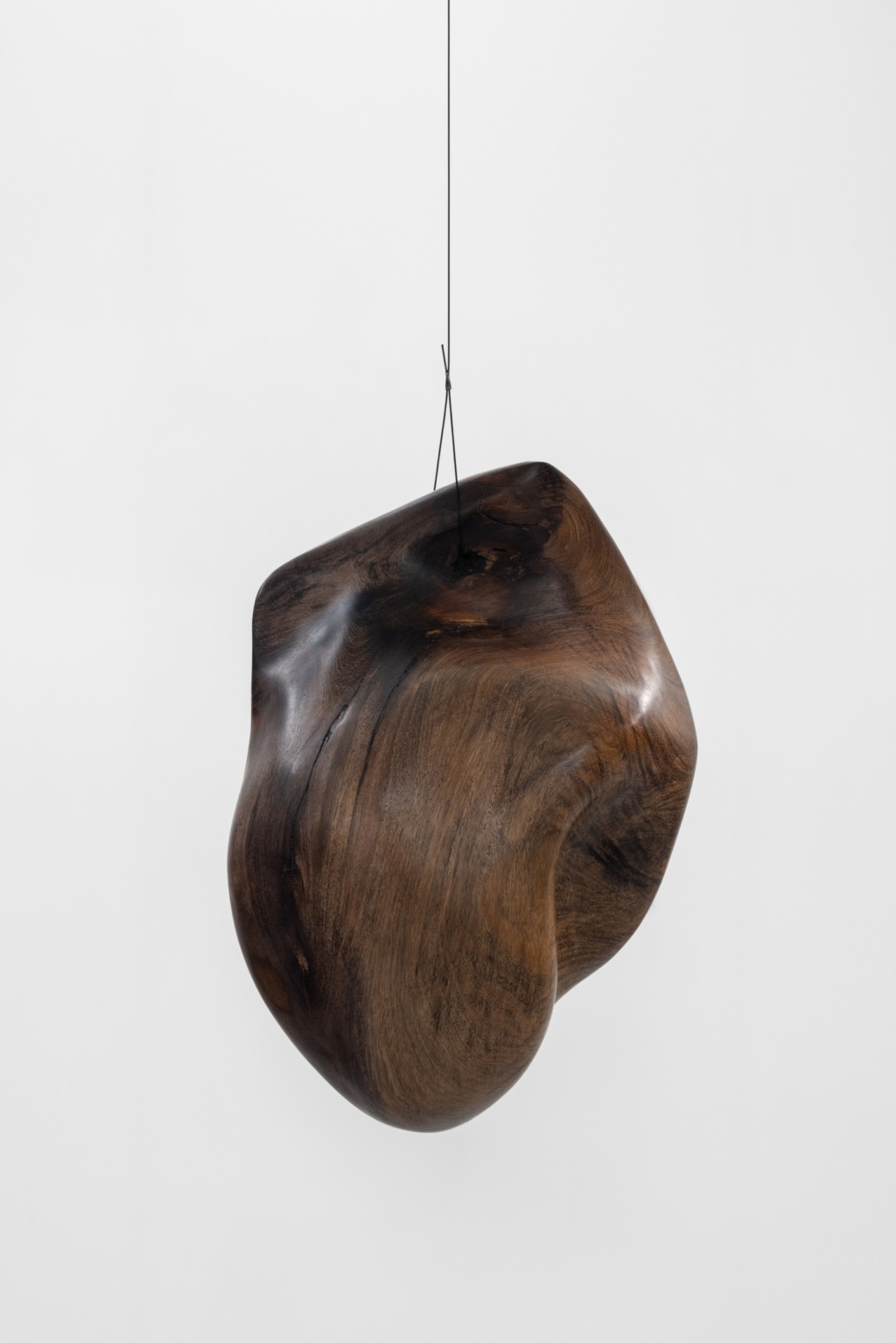
Heart, 2024
Algarrobo wood, 32 x 23 x 16 cm
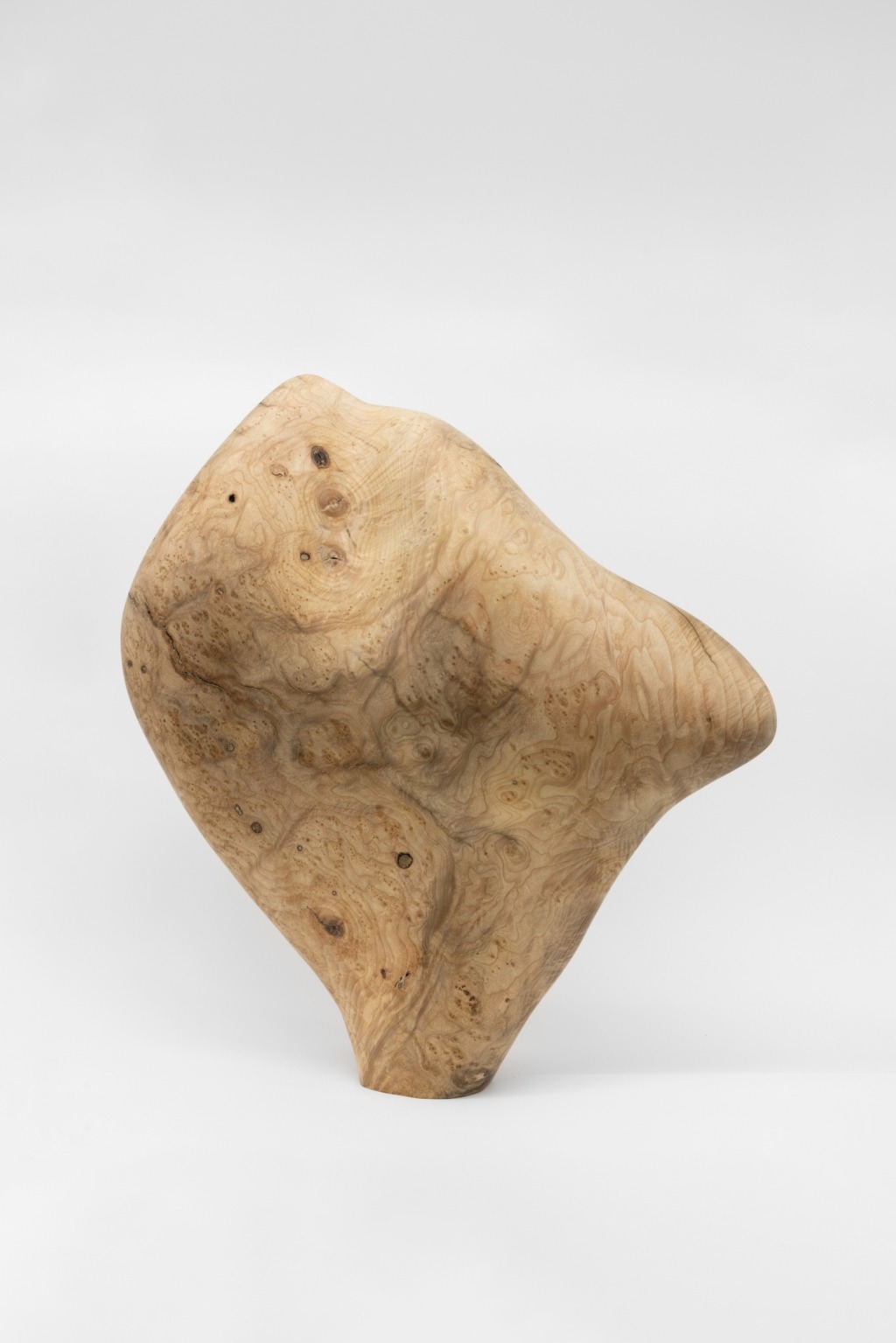
Raya, 2024
Radica wood, 54 x 50 x 12 cm
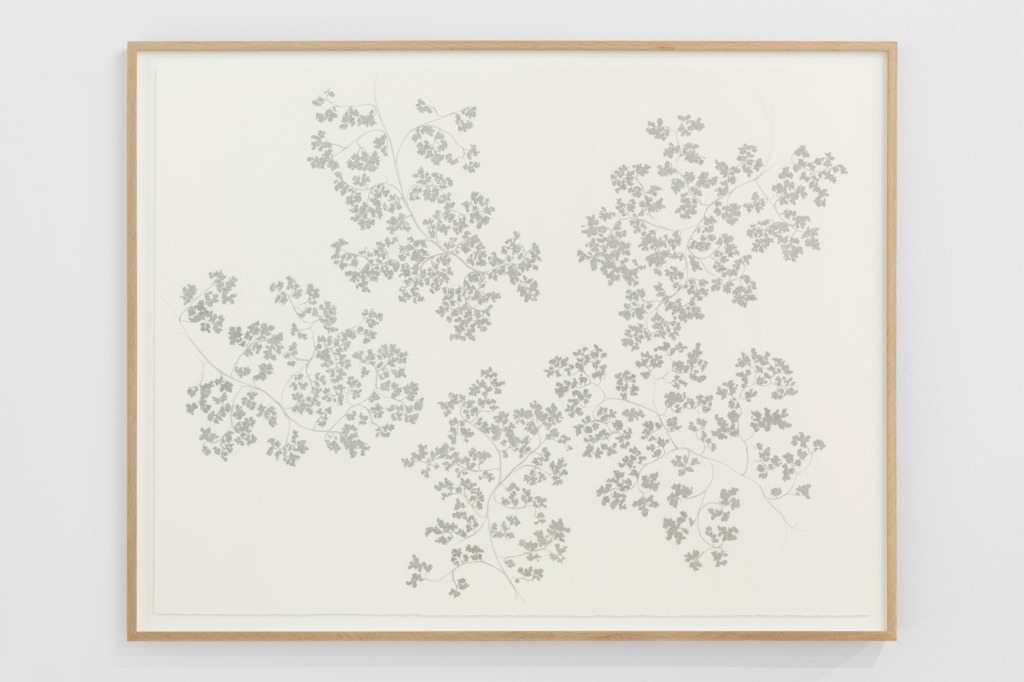
Untitled (sky), 2021
ndian ink on 300gsm Arches paper, 114 x 150 cm
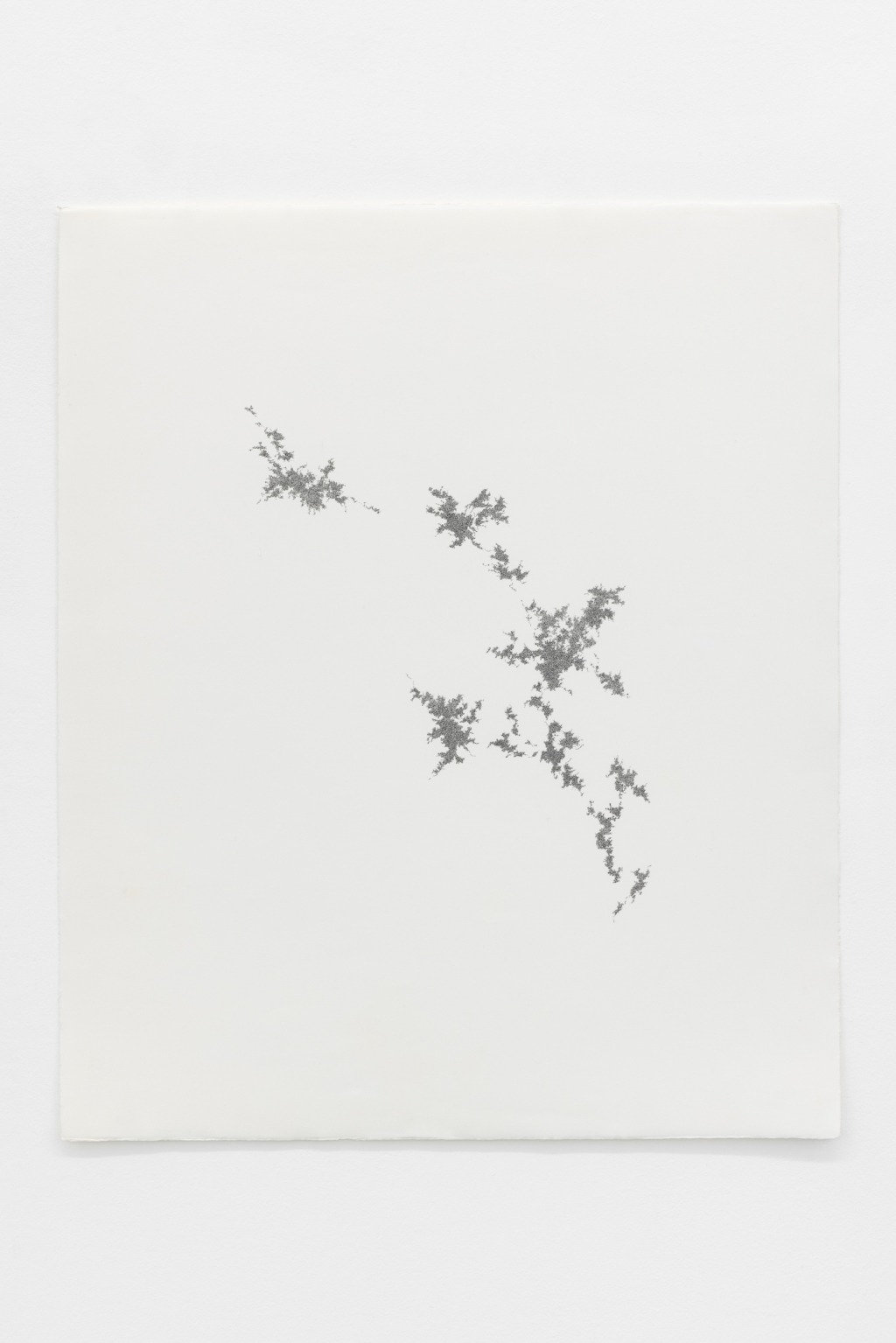
Untitled, 2011
Indian ink on paper, 77 x 64 cm
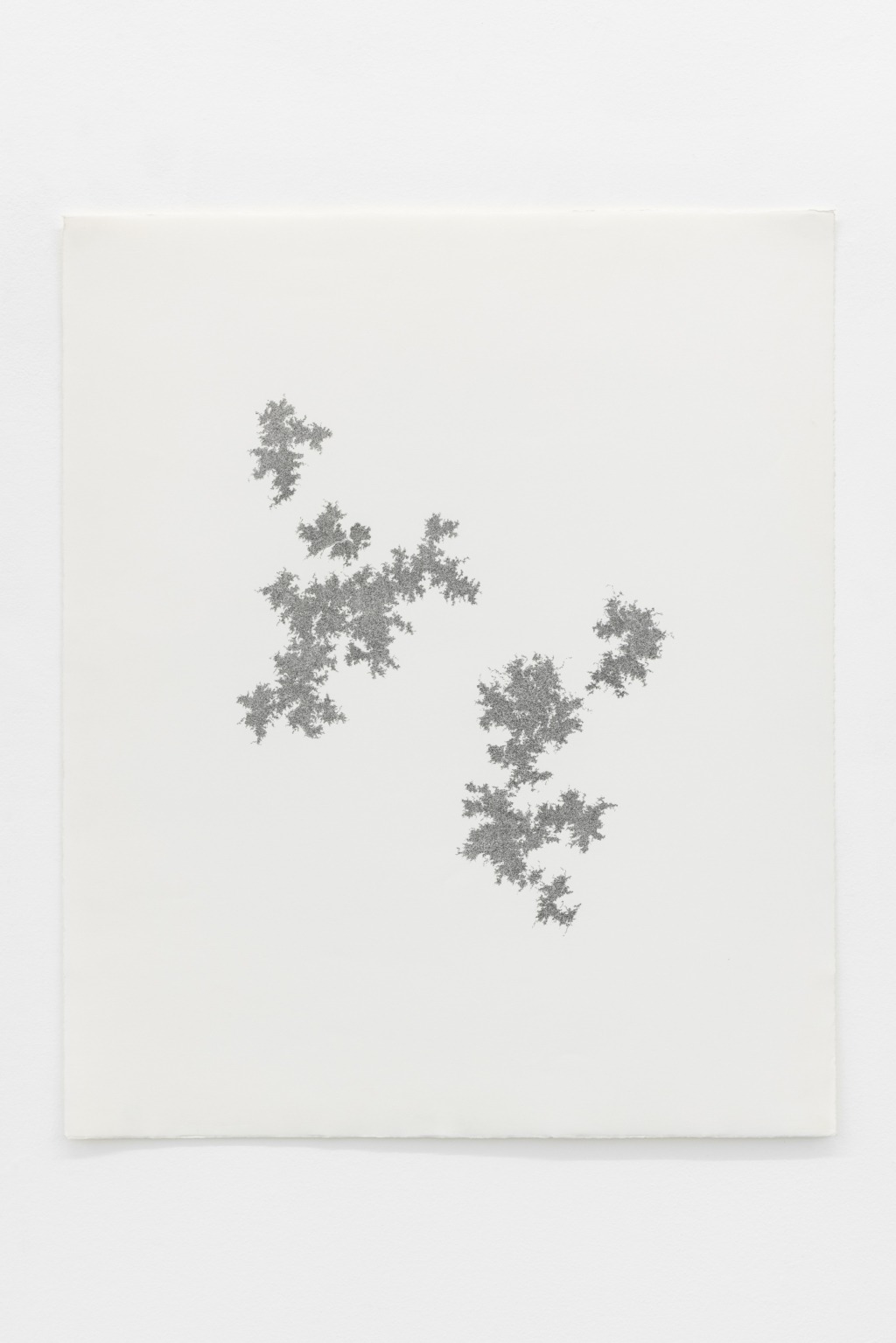
Untitled, 2011
Indian ink on paper, 77 x 64 cm
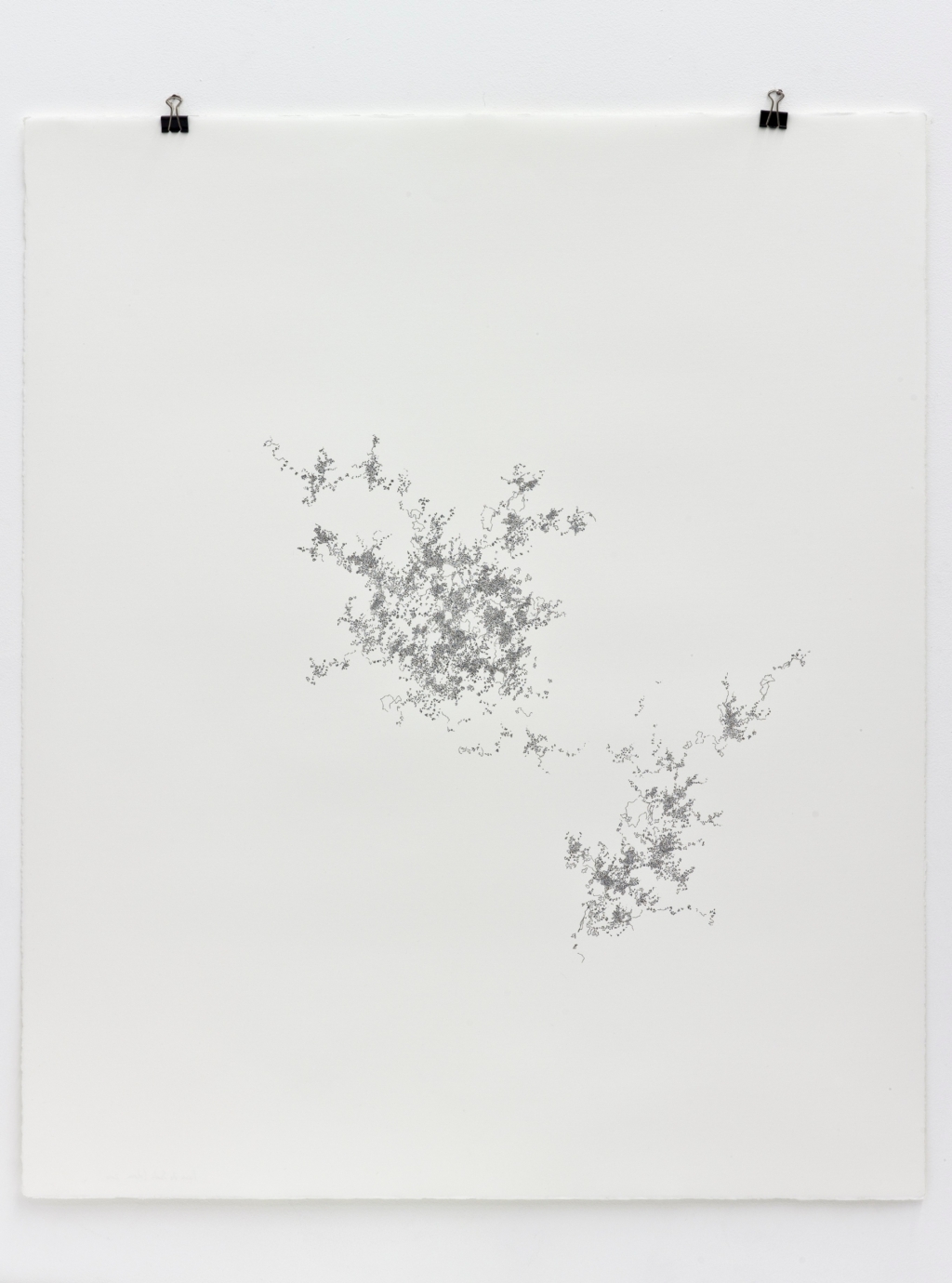
Untitled, 2010
Indian ink on paper, 76.5 x 65 cm
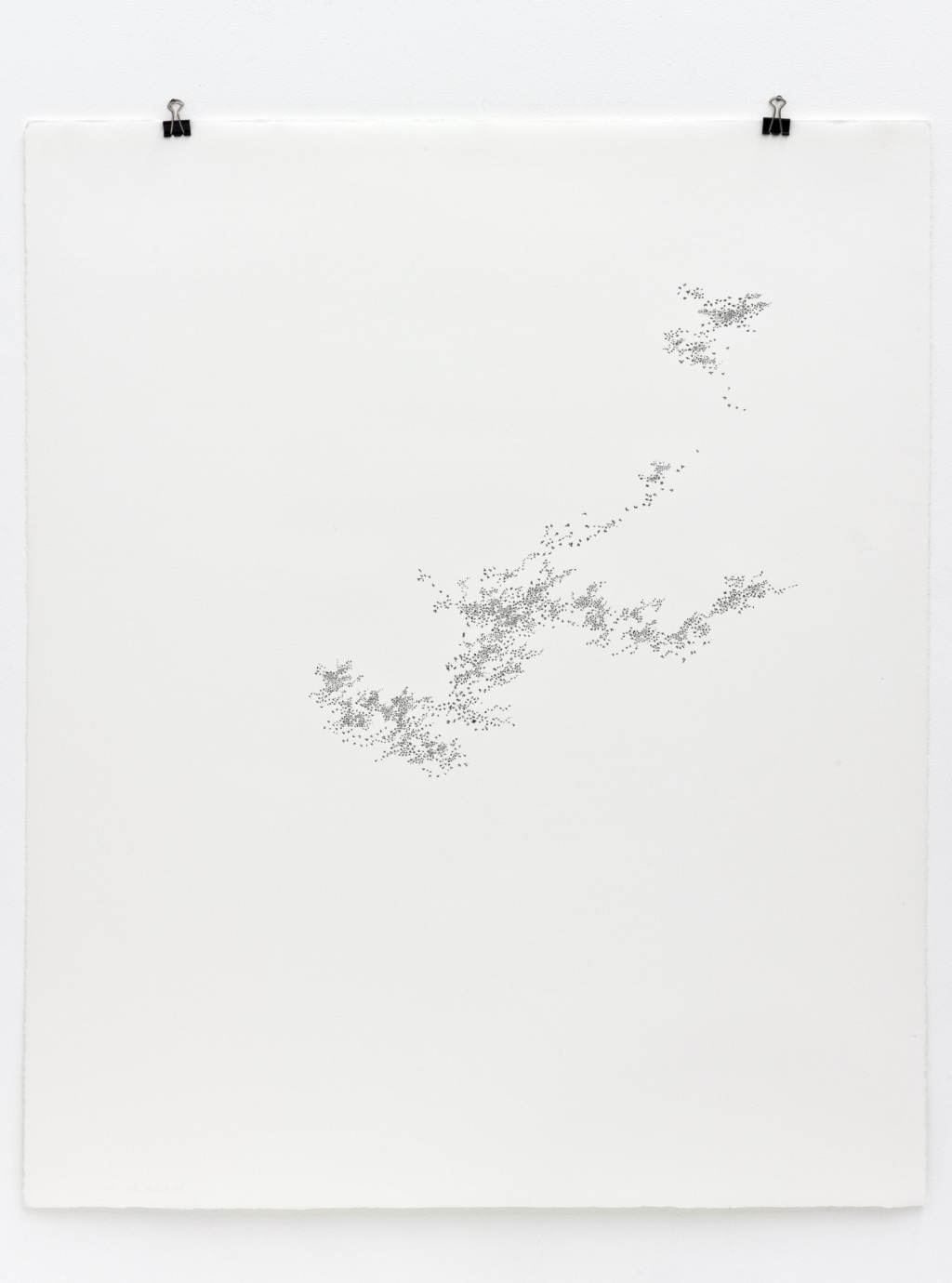
Mis pajaros #2, 2010
Indian ink on paper, 76.5 x 65 cm
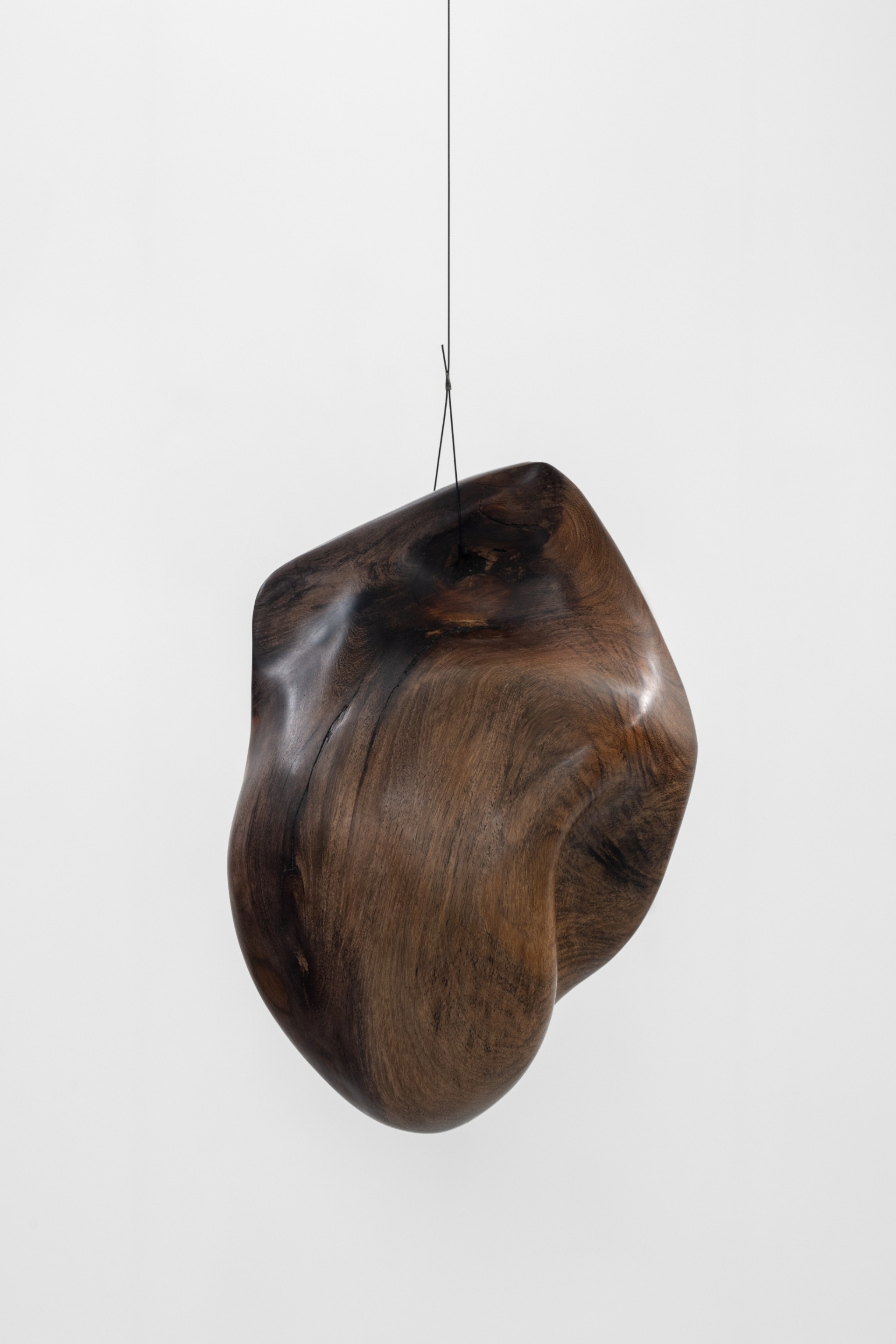
Heart, 2024
Algarrobo wood, 32 x 23 x 16 cm
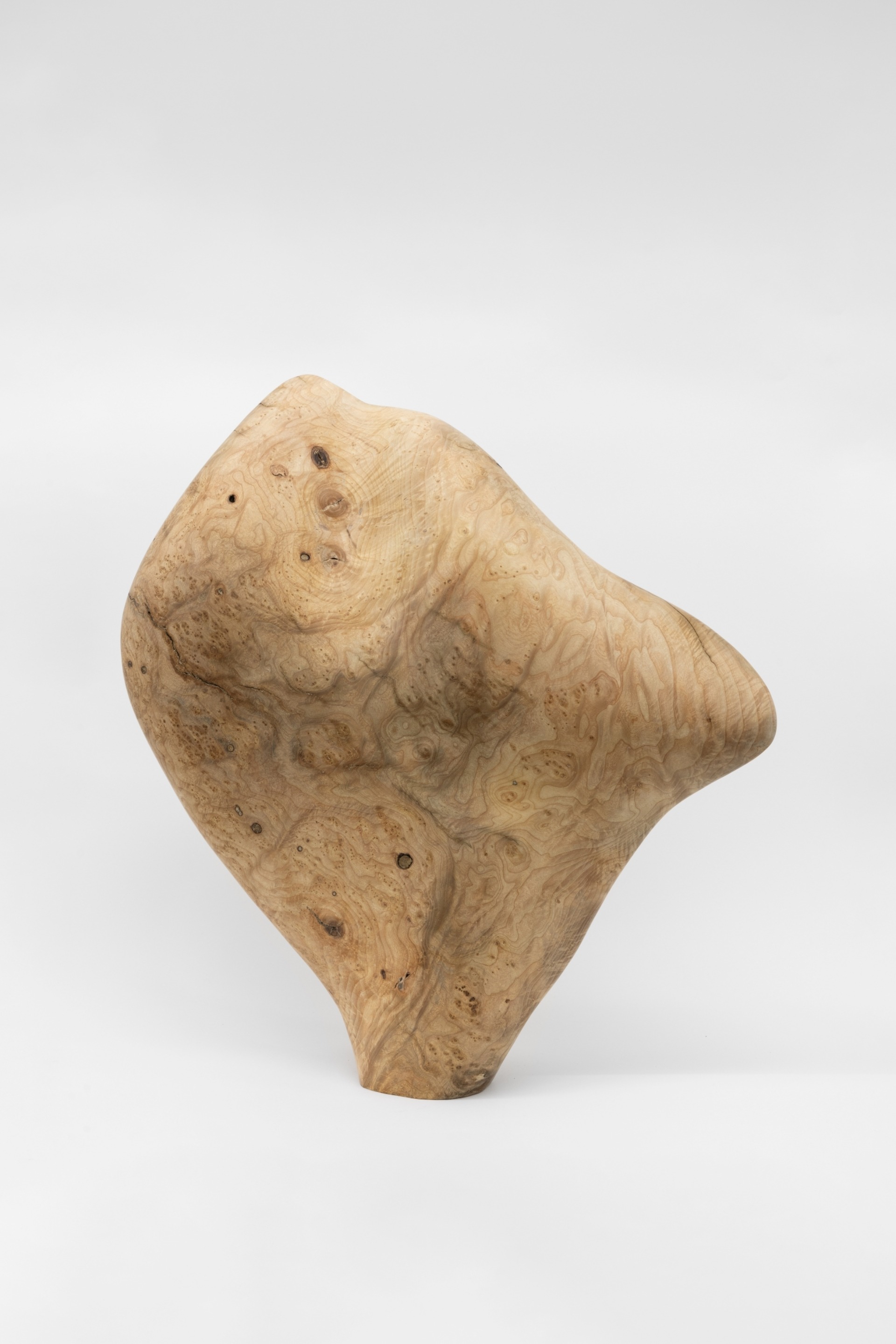
Raya, 2024
Radica wood, 54 x 50 x 12 cm
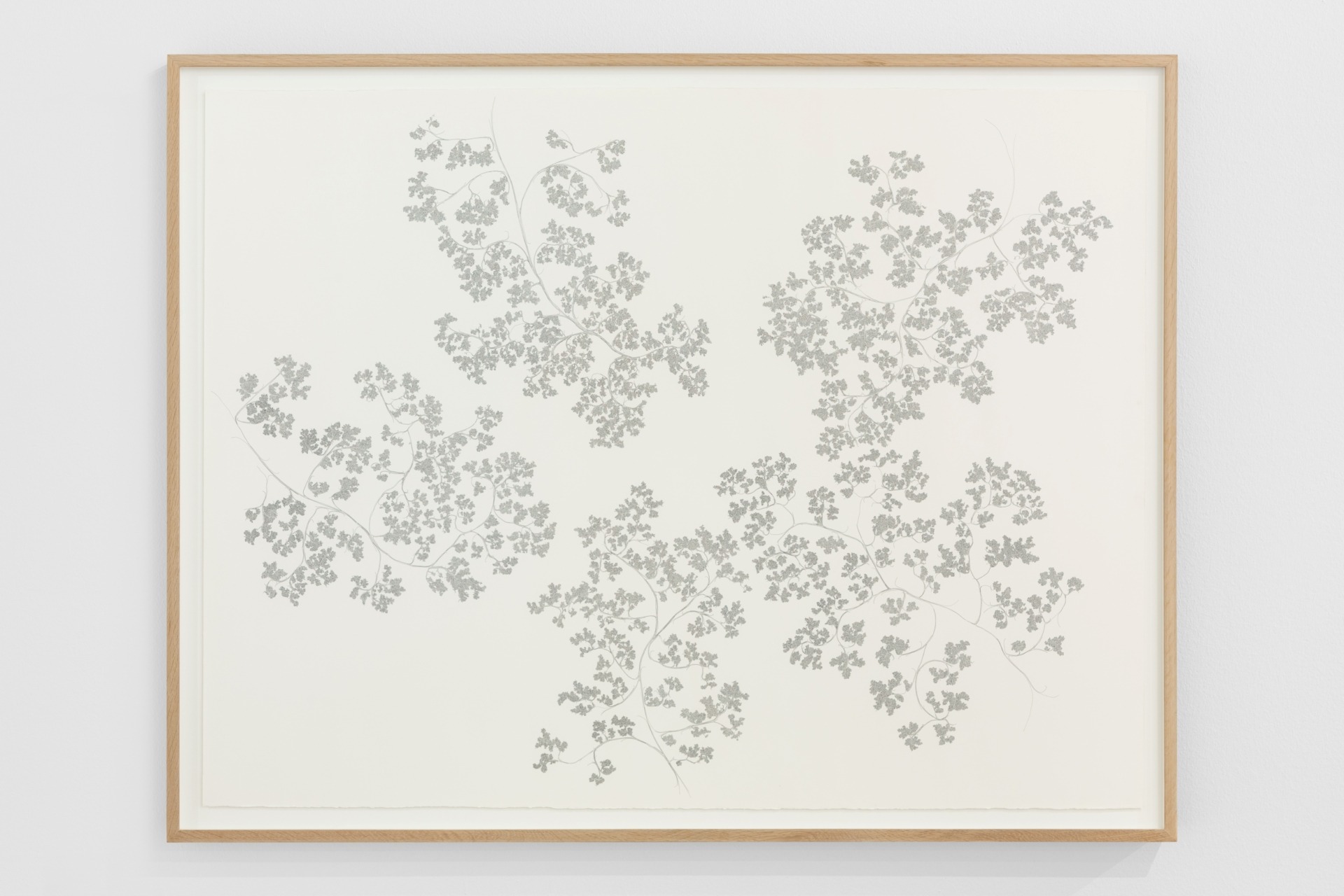
Untitled (sky), 2021
ndian ink on 300gsm Arches paper, 114 x 150 cm
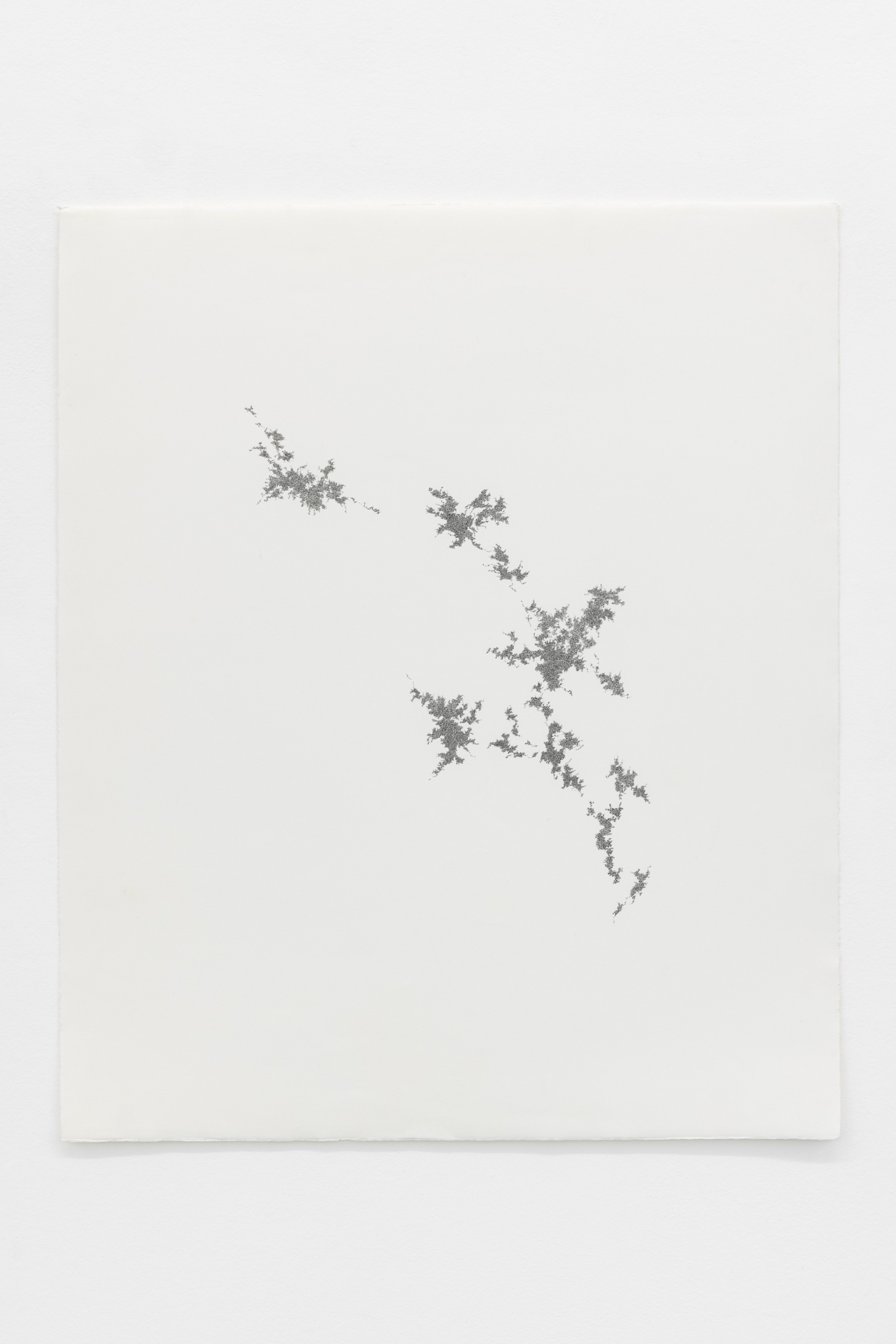
Untitled, 2011
Indian ink on paper, 77 x 64 cm
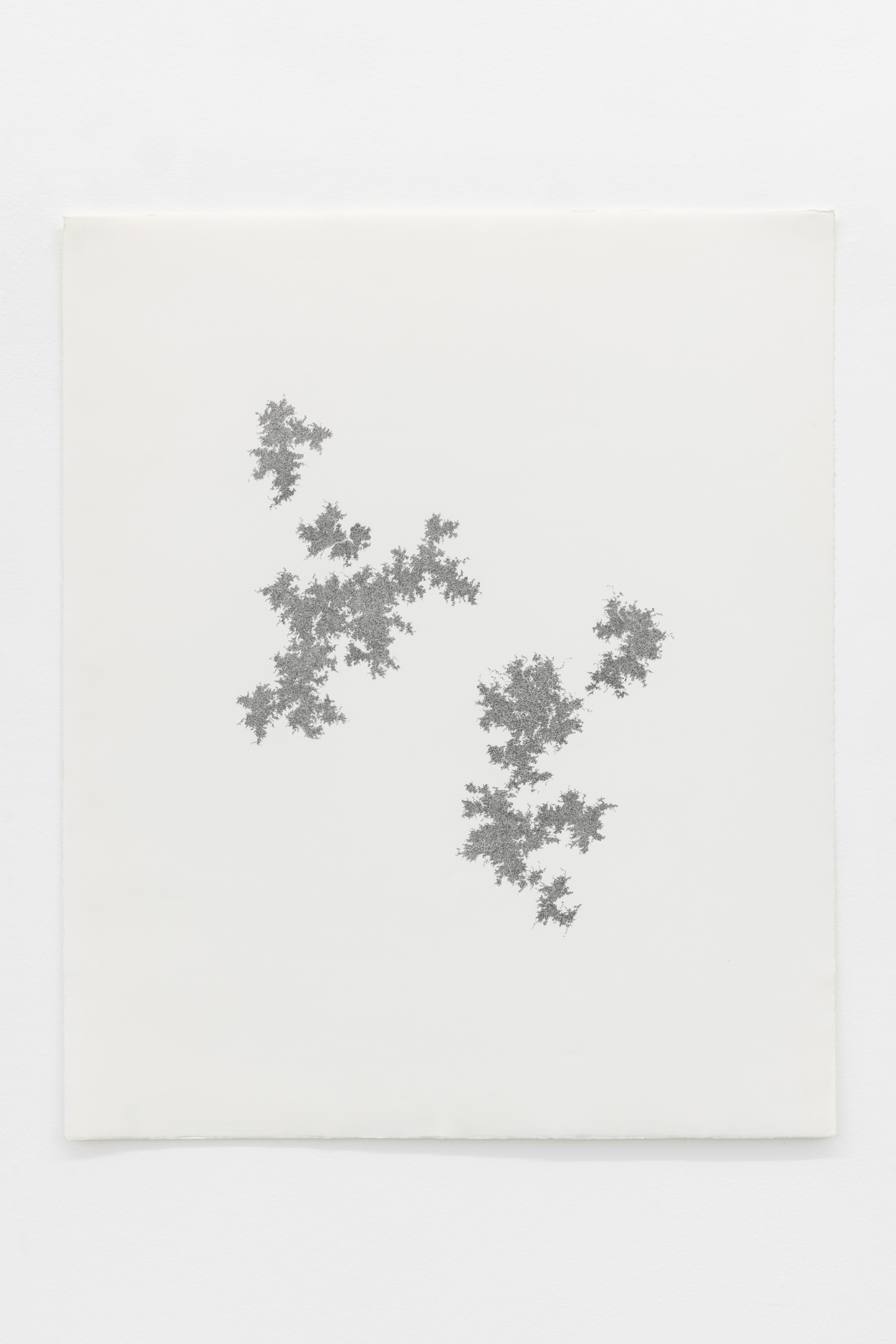
Untitled, 2011
Indian ink on paper, 77 x 64 cm
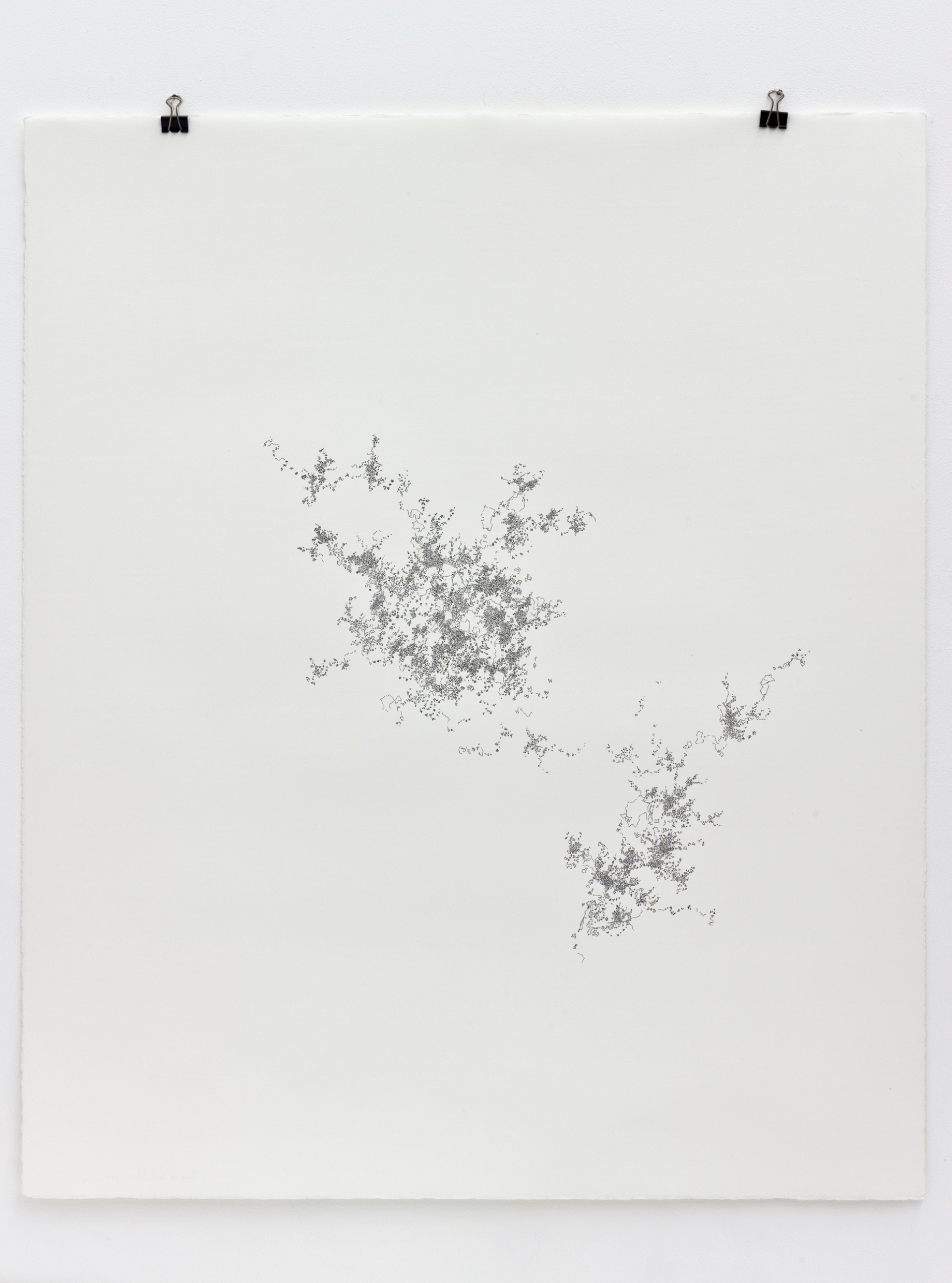
Untitled, 2010
Indian ink on paper, 76.5 x 65 cm
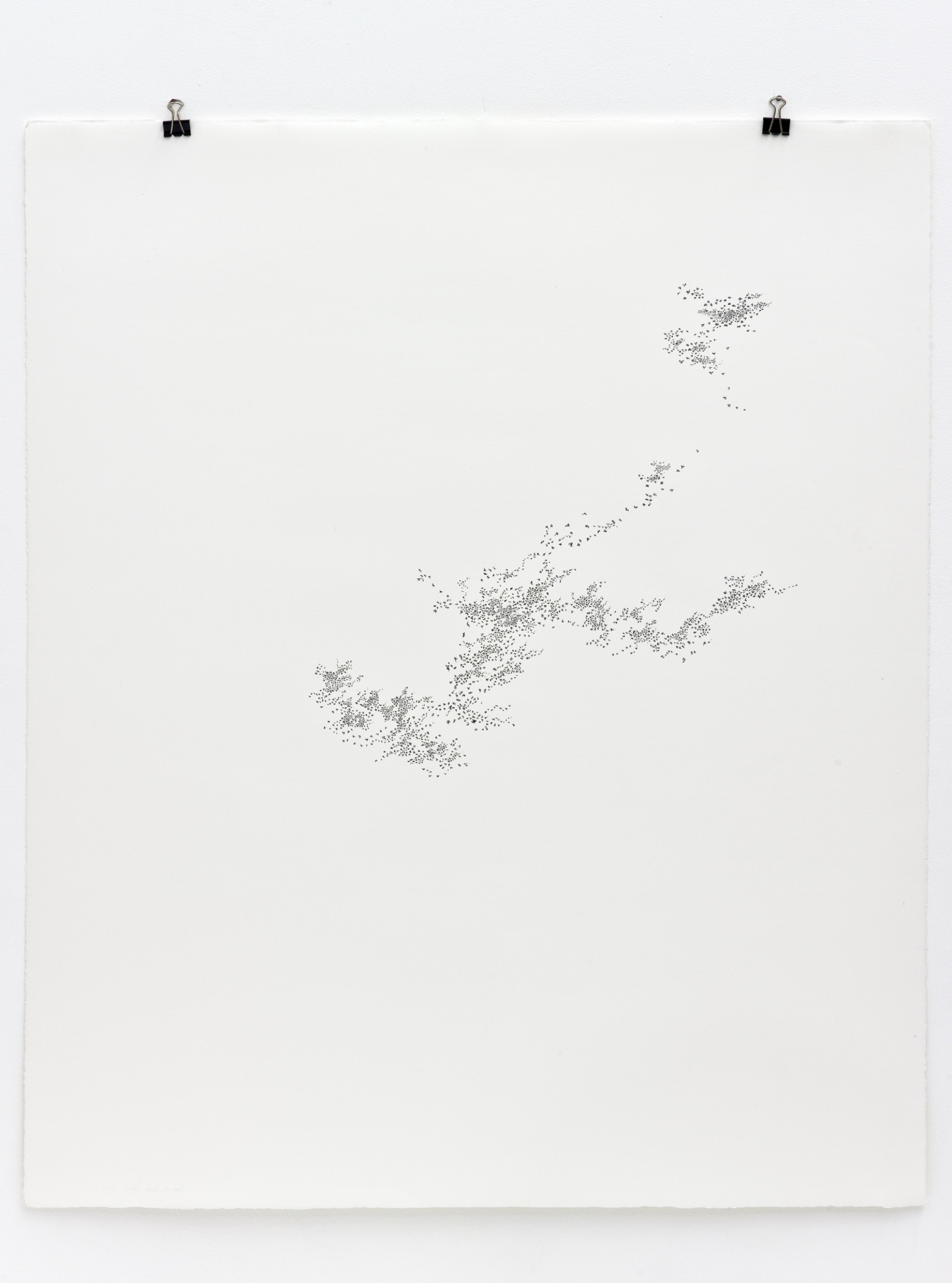
Mis pajaros #2, 2010
Indian ink on paper, 76.5 x 65 cm
Claire de Santa Coloma’s (1983, Buenos Aires, AR/FR) sculptural work is concerned with formal questions that focus on the primordiality of matter (usually wood) and the theme of sculpture itself. The economy of means is one of the governing principals in Santa Coloma’s practice, oftentimes dictating the final shape of the object. The relationship between the viewer and the sculpture is yet another important layer in the reading of her work. Conceptually, it has been the common thread amongst her latest solo shows.
Fernando Mello Brum
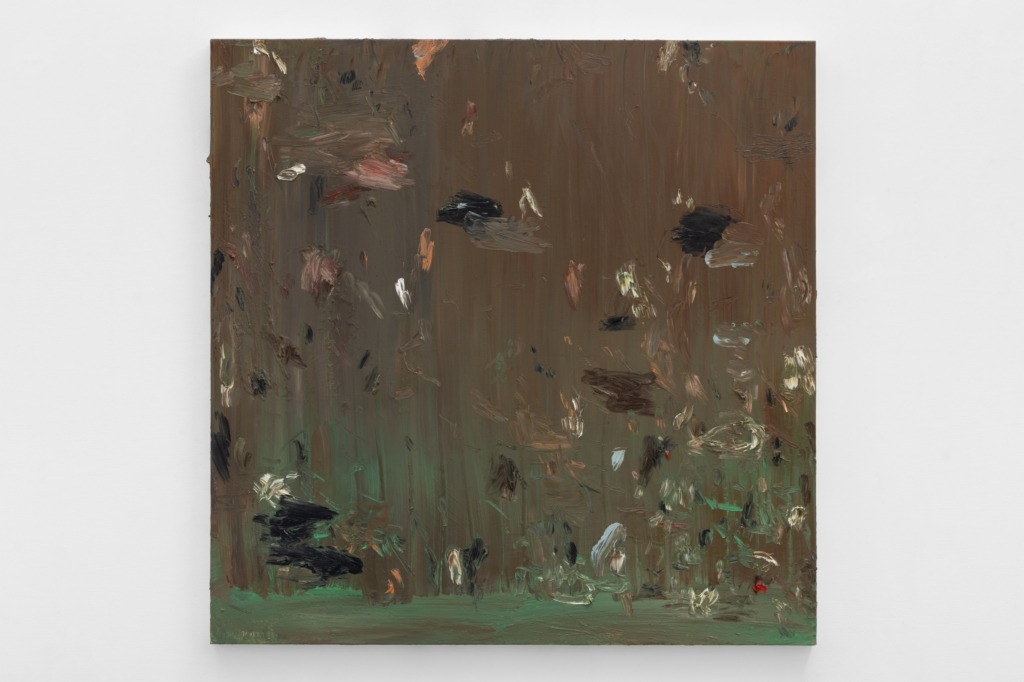
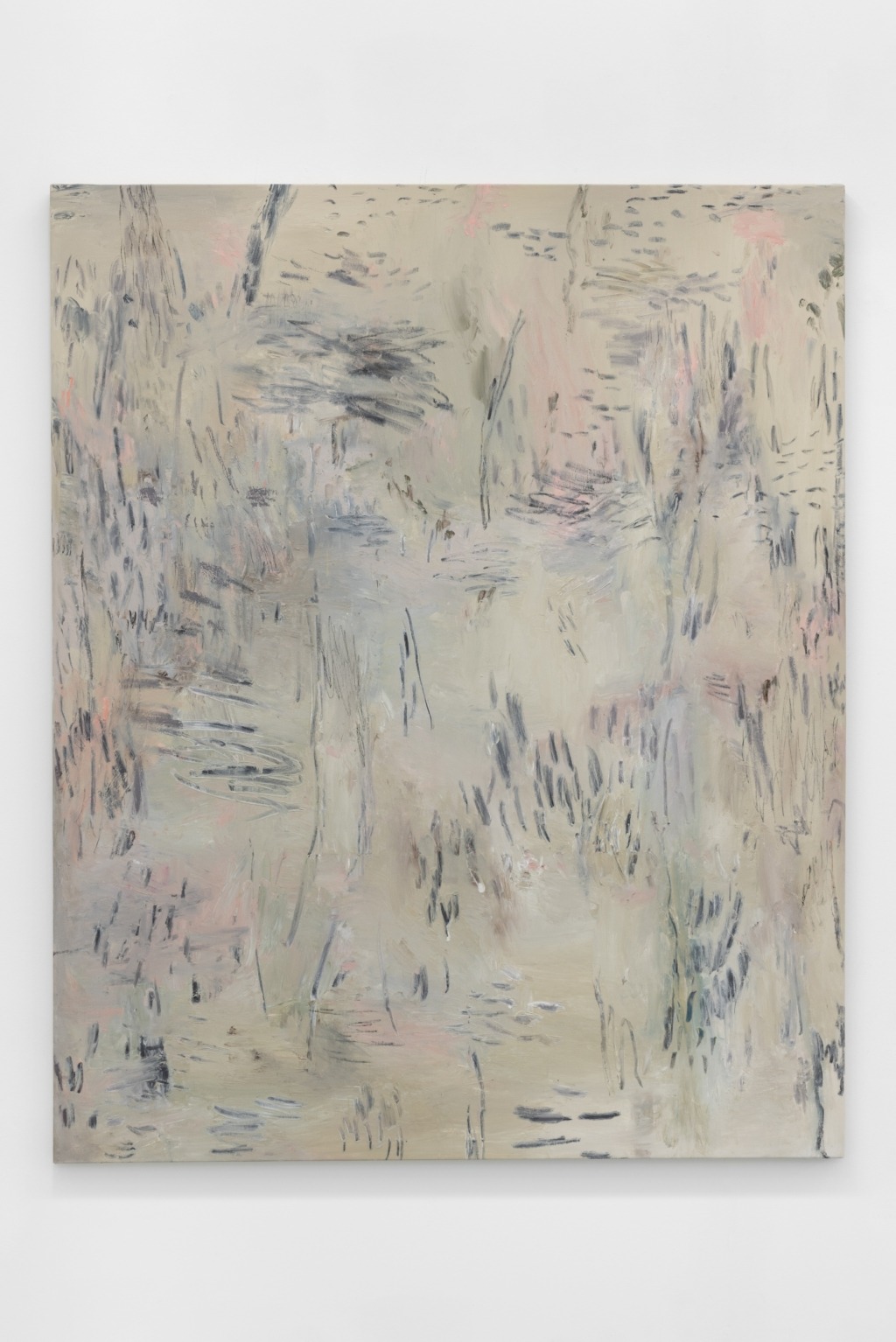
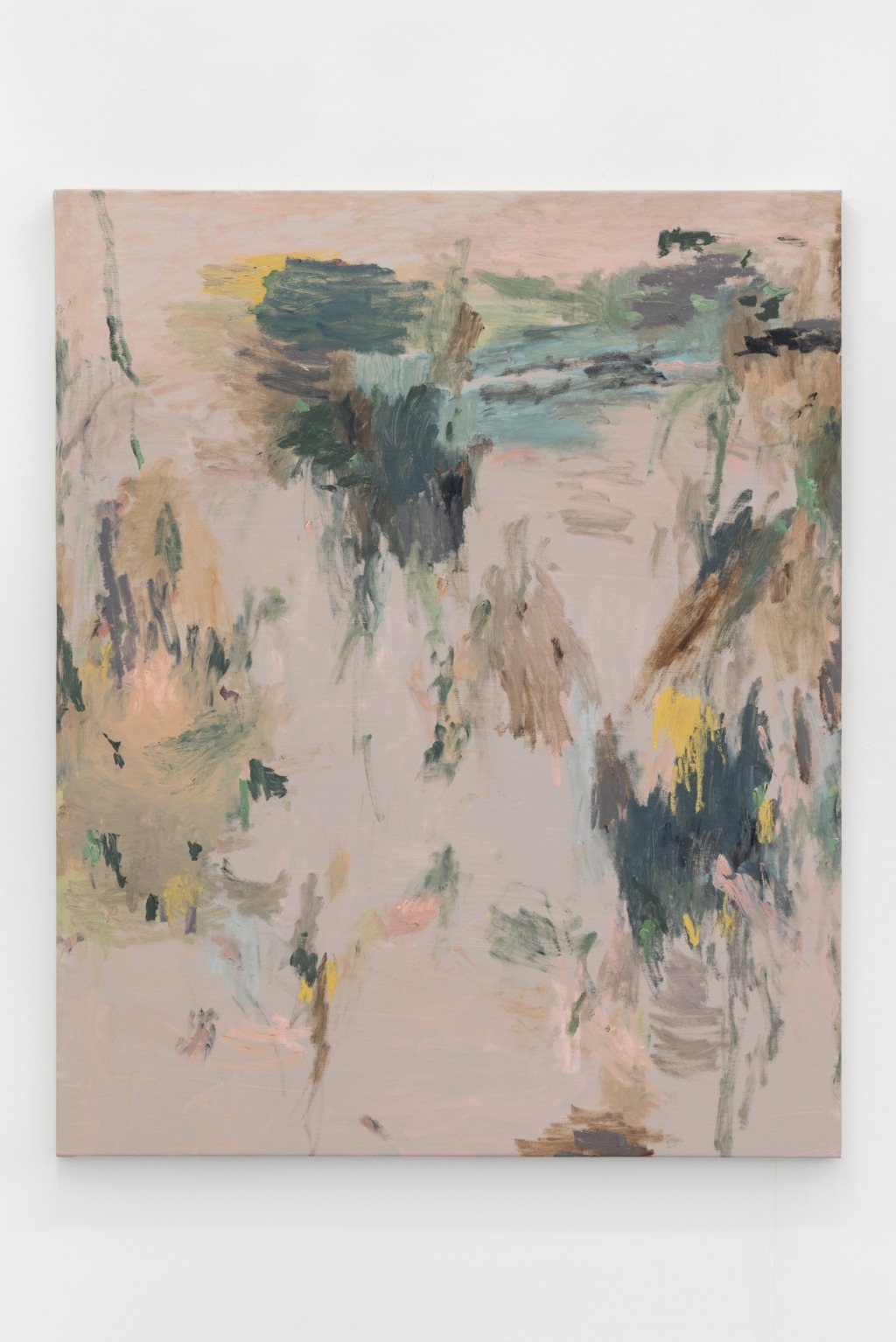
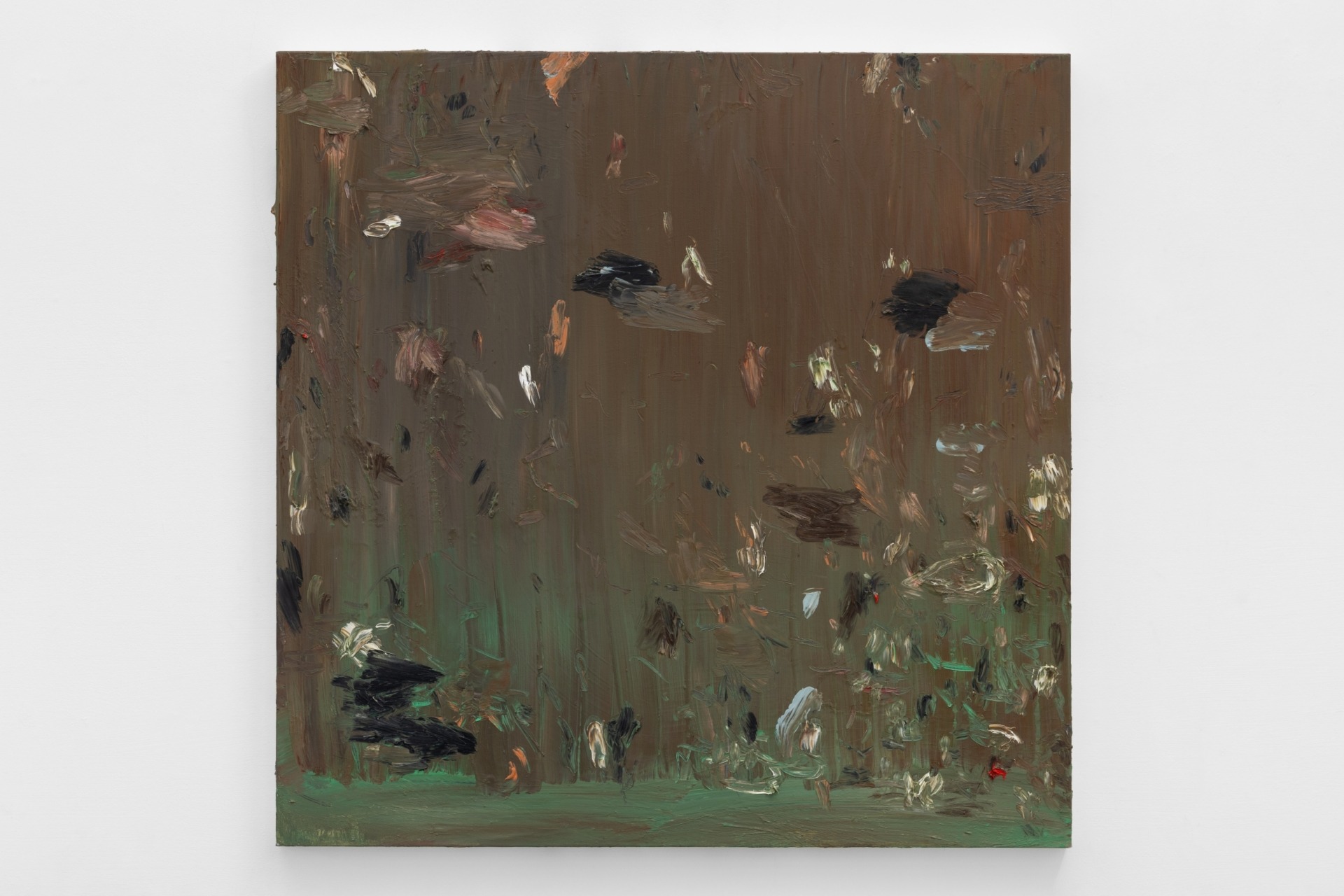
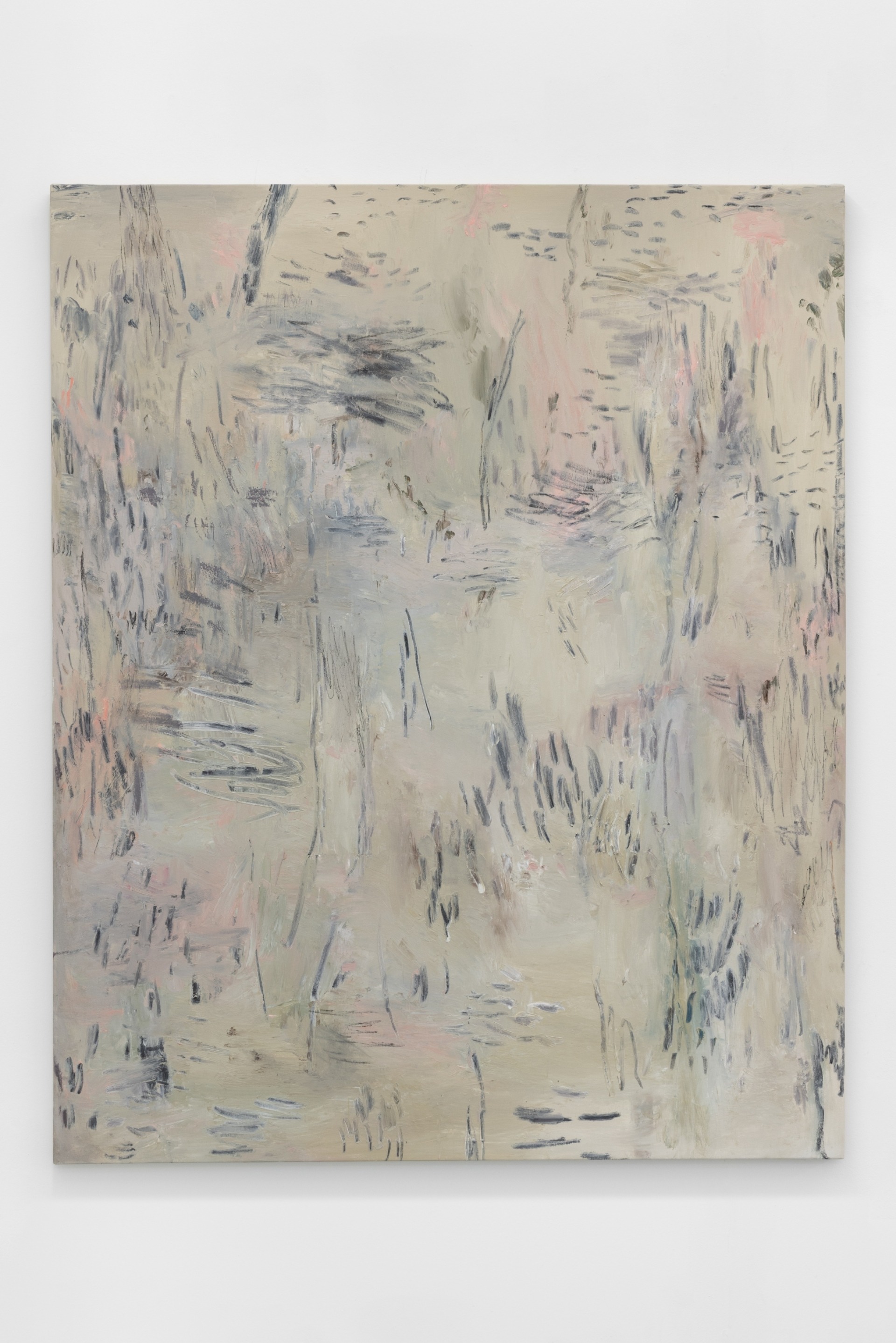
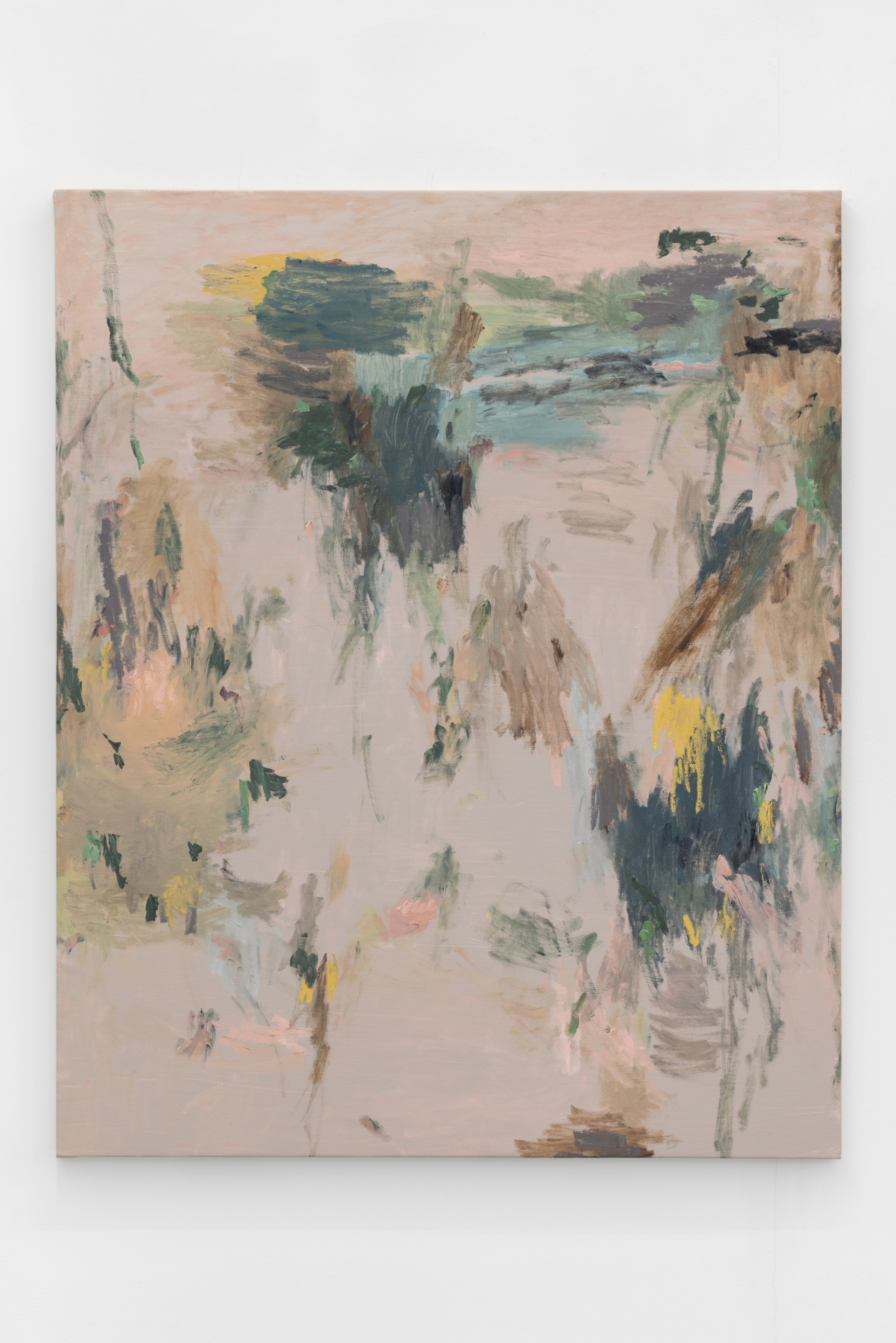
Fernando Mello Brum’s (Rio de Janeiro, 1989) paintings come from an attentive observation of everyday life; however, they do not represent an objective reality, incentivizing instead a subjective reading of the landscape. His work also explores subjects inherent to painting, such as the overlap of layers, colour balance and materiality.
Inês Brites
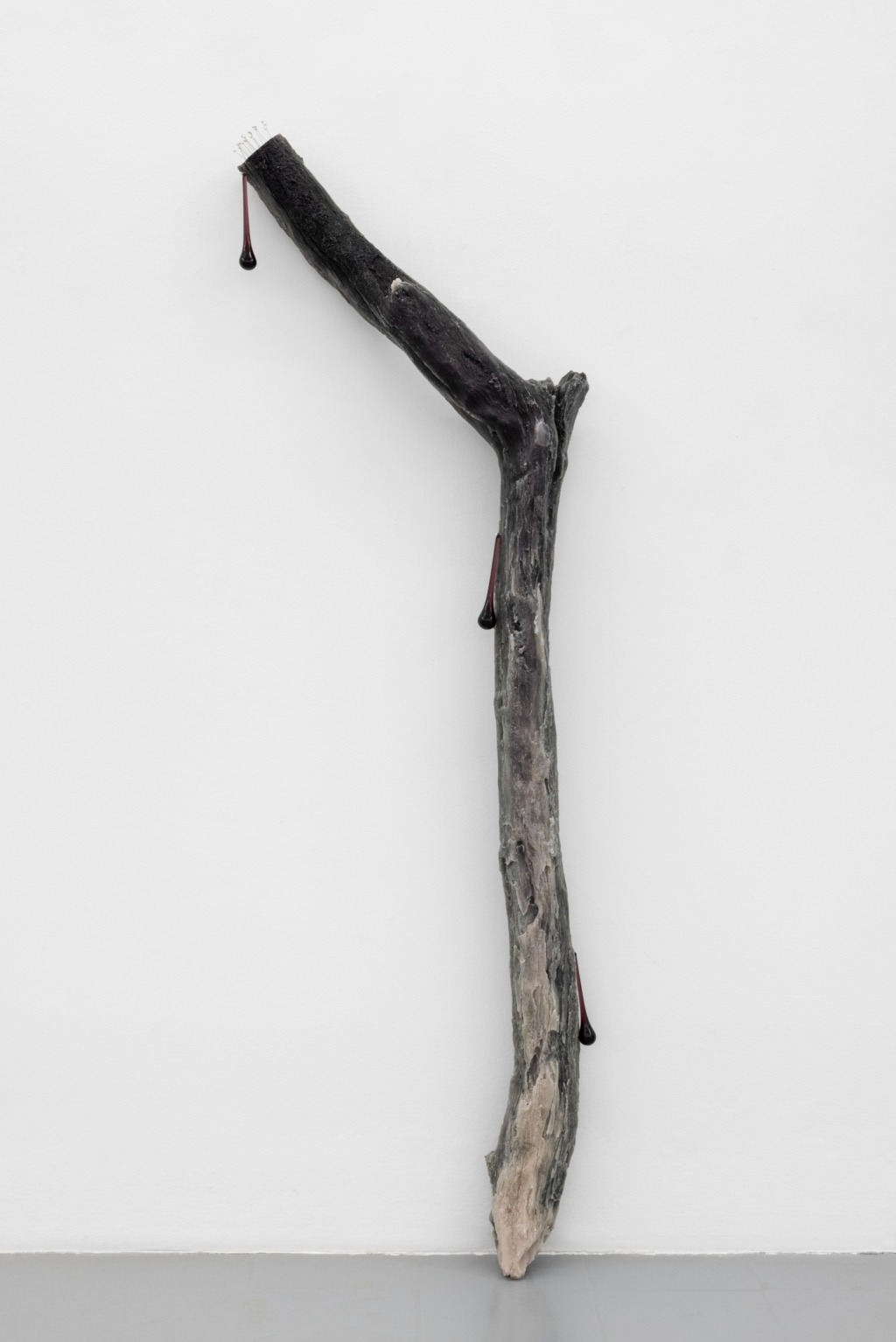
Lacrimal, 2025
Paraffin, pigment, pins, glass, 138 x 12 x 12 cm
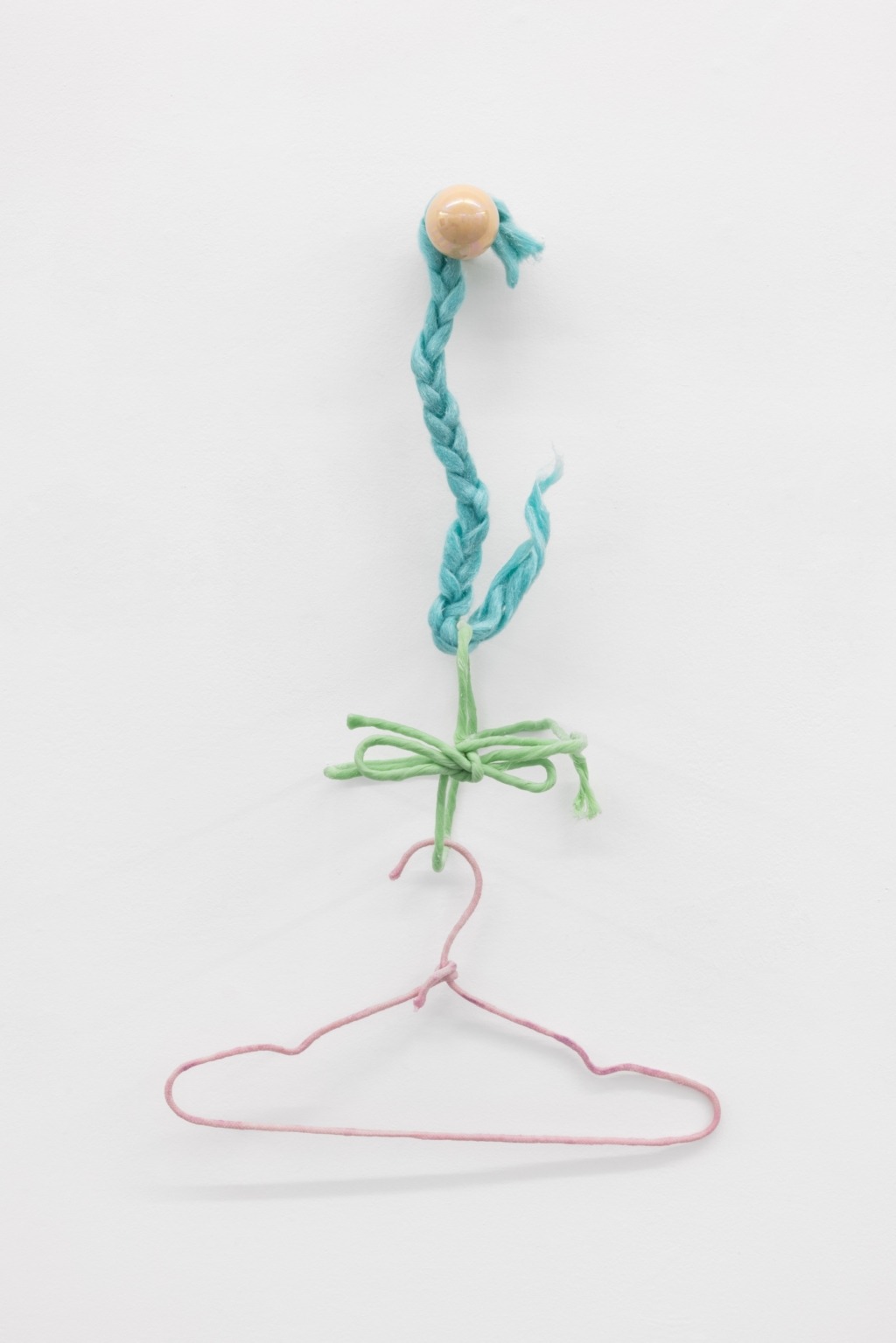
Um cálculo delicado | A delicate calculation, 2023
Wax, cotton, pigment, ceramic, wool, 70 x 41.5 x 16 cm
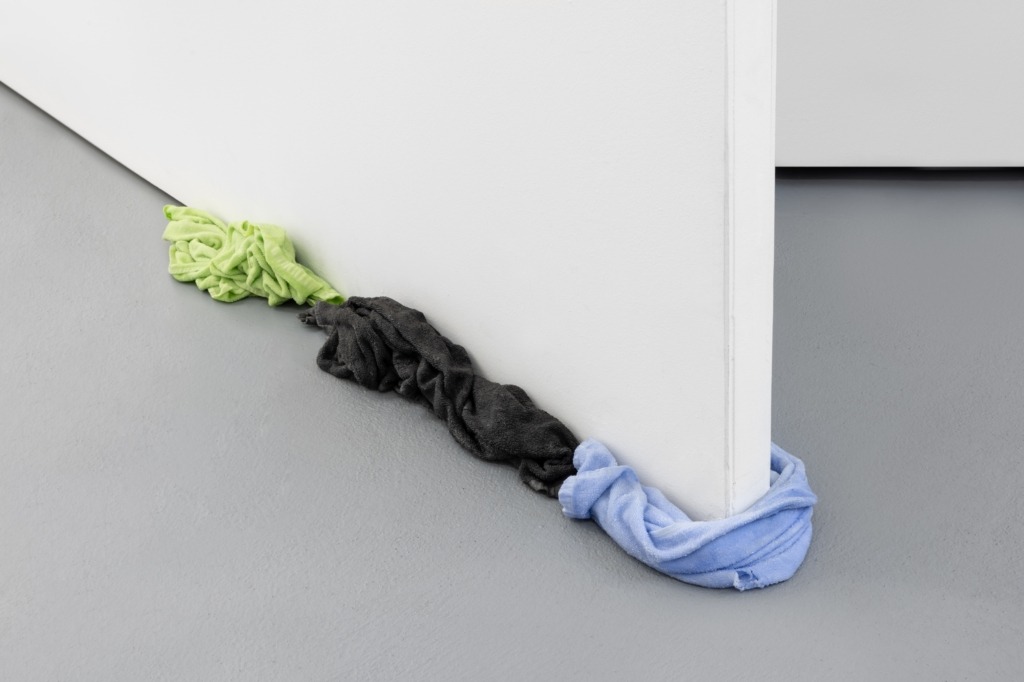
be extra careful with heartfires (hug), 2023
Paraffin, pigment, cotton, 11 x 129 x 26 cm
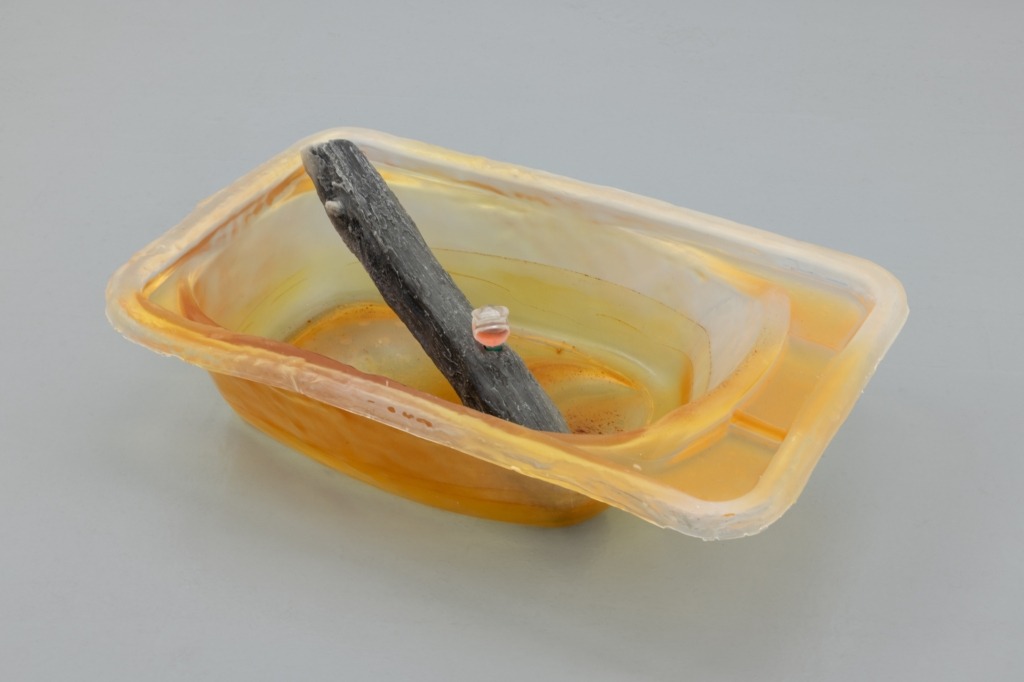
Uma incurável necessidade de compreender, 2025
Epoxy resin, wax, paraffin, pigment, glass perfume bottle, 20 x 75 x 46
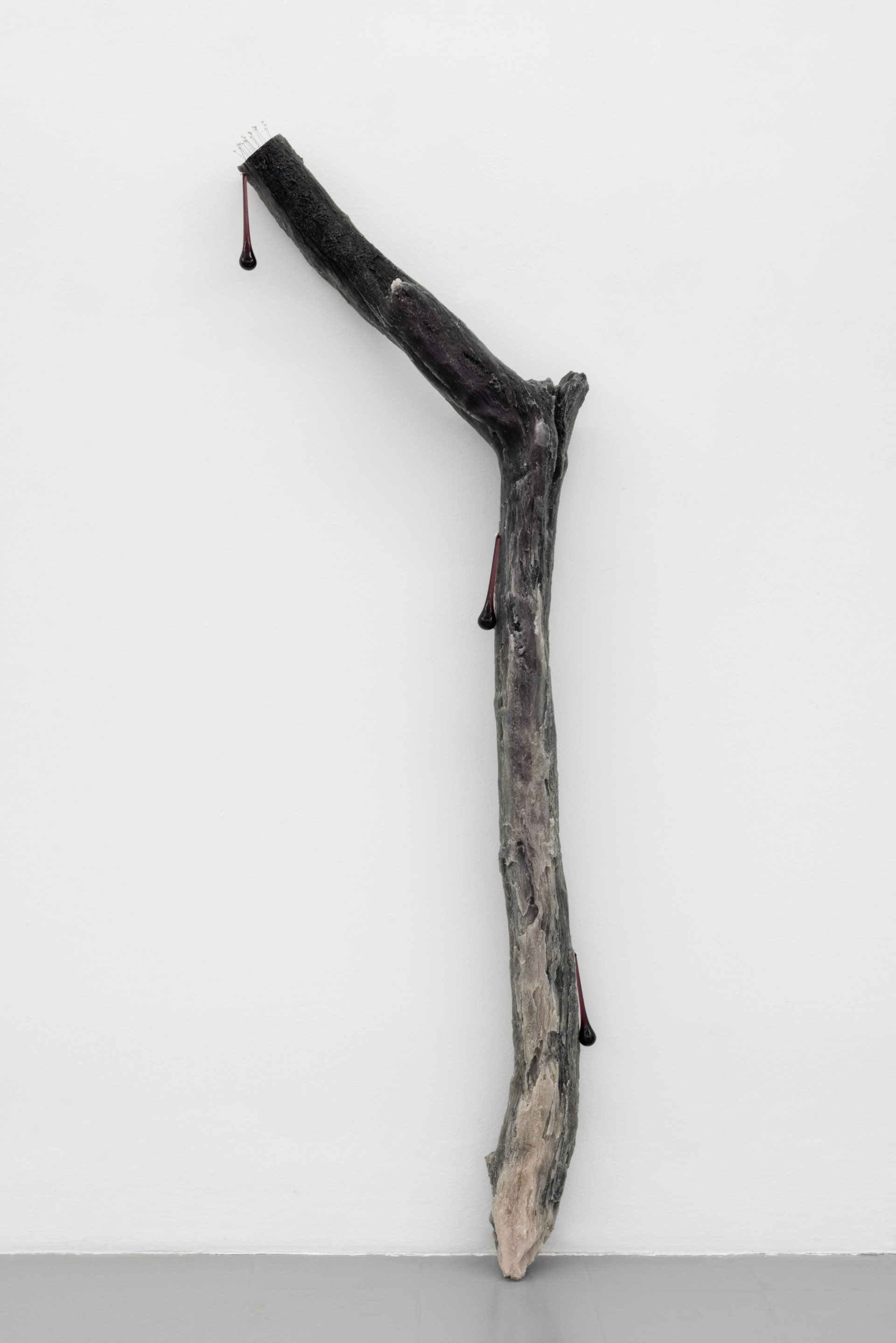
Lacrimal, 2025
Paraffin, pigment, pins, glass, 138 x 12 x 12 cm
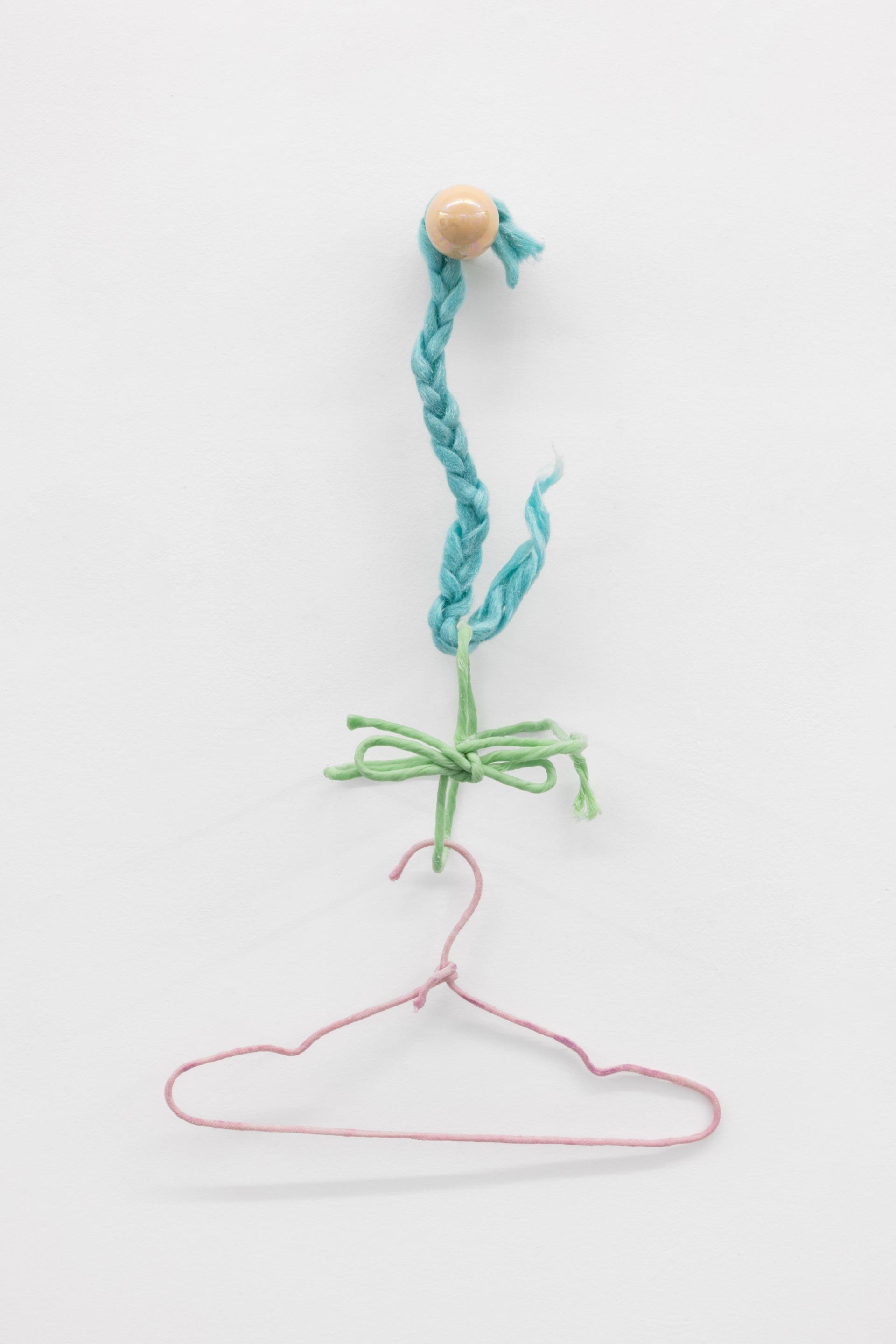
Um cálculo delicado | A delicate calculation, 2023
Wax, cotton, pigment, ceramic, wool, 70 x 41.5 x 16 cm
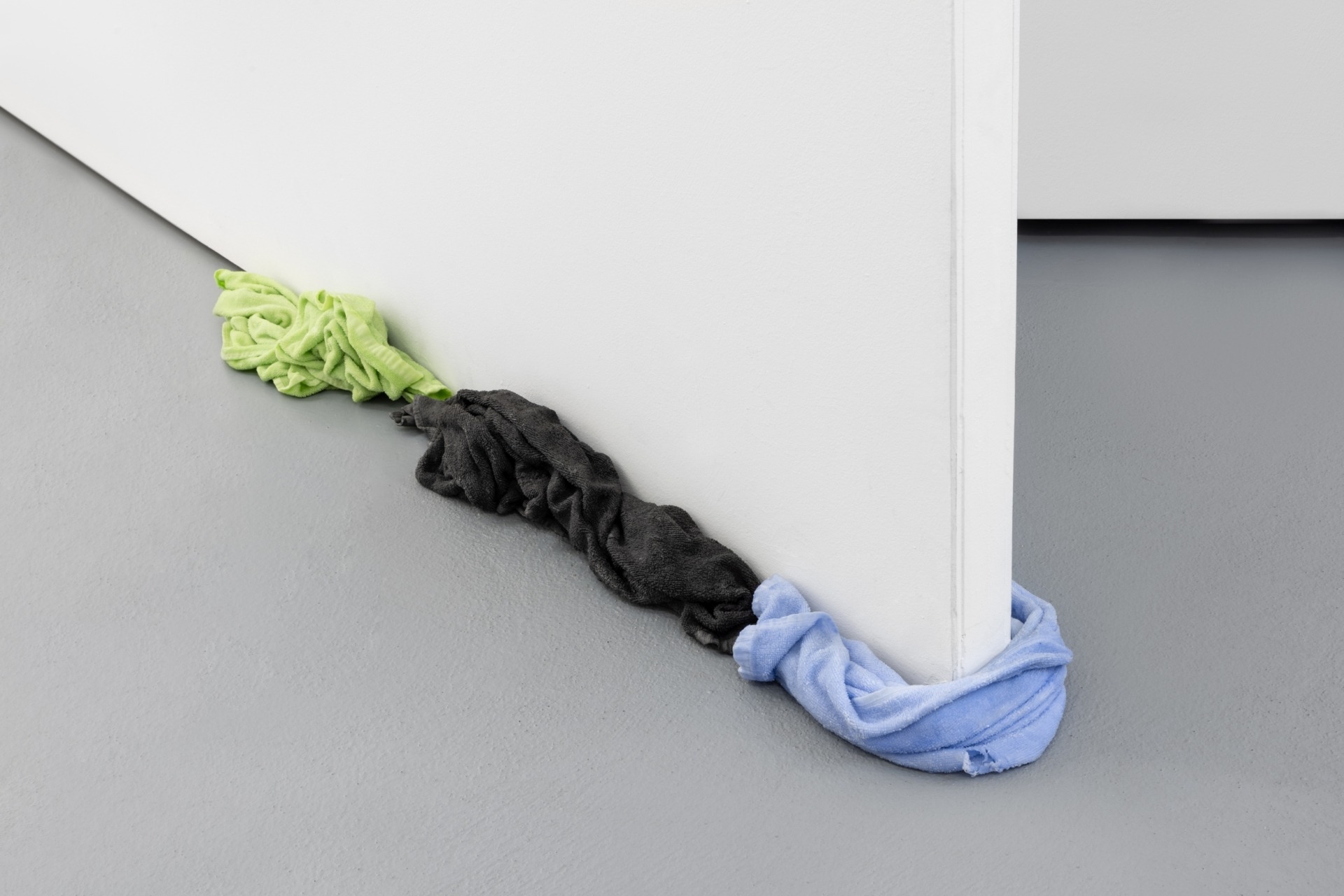
be extra careful with heartfires (hug), 2023
Paraffin, pigment, cotton, 11 x 129 x 26 cm
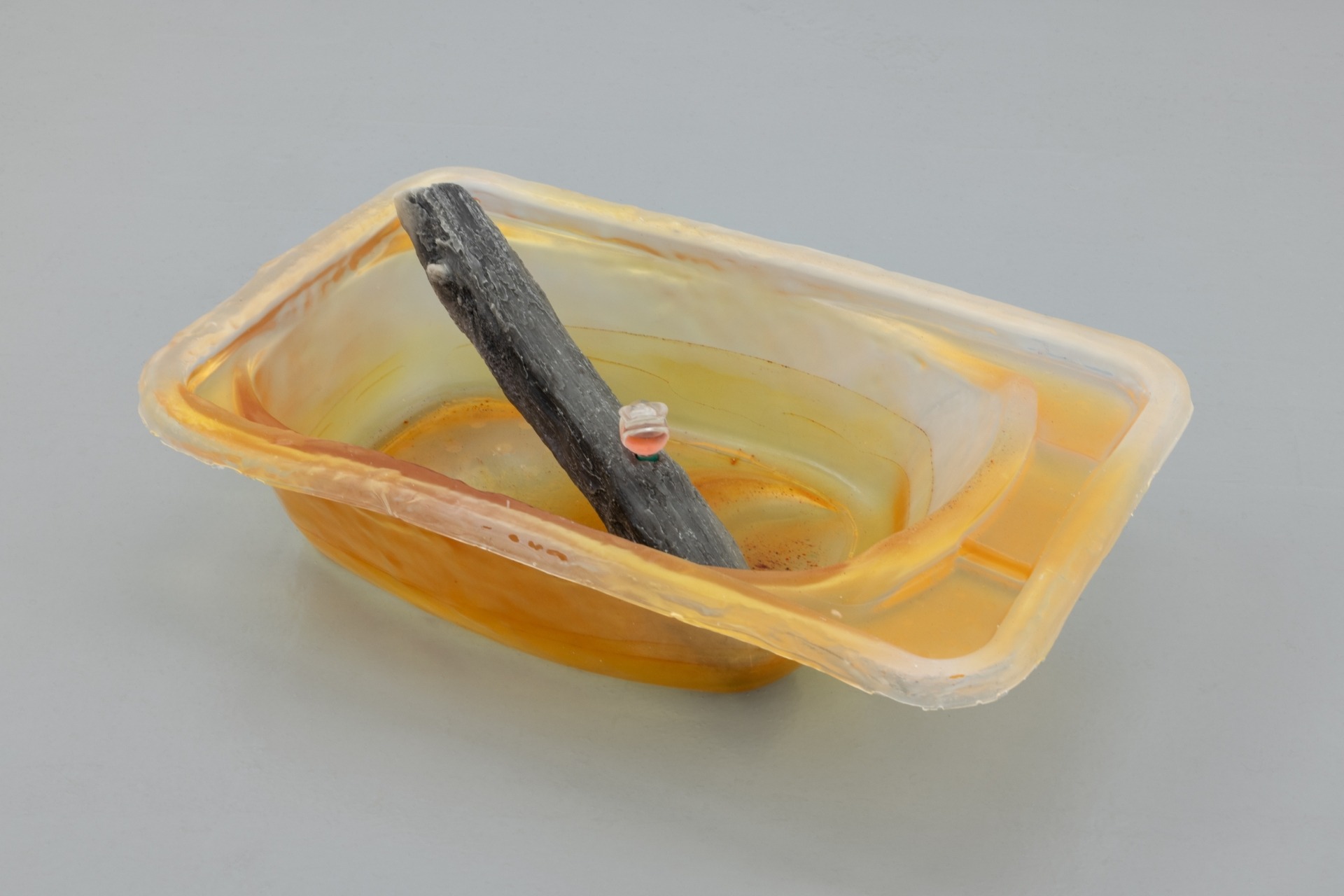
Uma incurável necessidade de compreender, 2025
Epoxy resin, wax, paraffin, pigment, glass perfume bottle, 20 x 75 x 46
Inês Brites’ (Coimbra, 1992) work refers to what is familiar, starting from found and produced objects, in an exploratory conversation about materials and their purpose. Using unorthodox techniques, the artist questions the meaning of objects, analysing the impact of these bodies on the individual, society, and culture, through the memories of our daily lives and intimacy.
João Ferro Martins
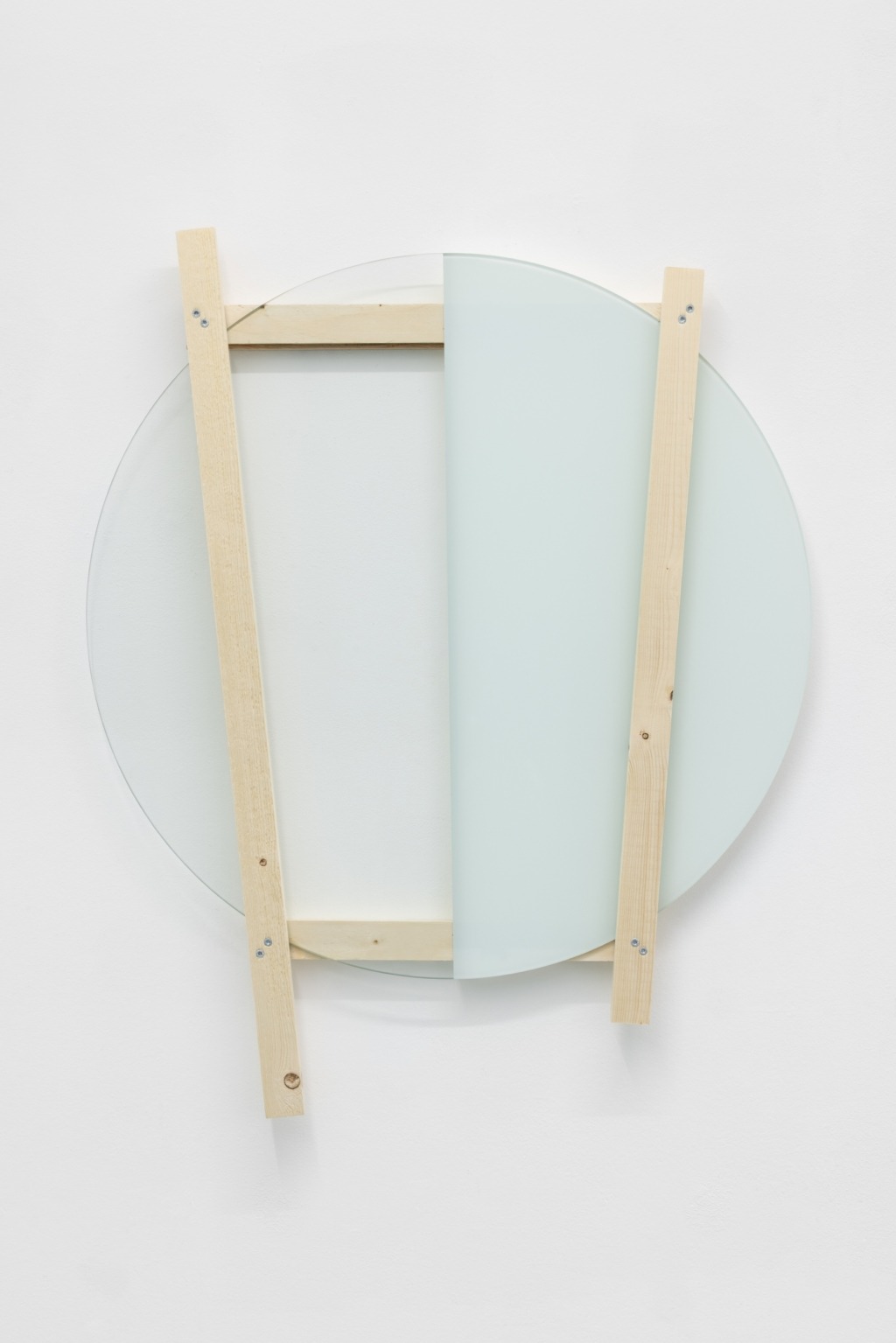
Sem título | Untitled, 2025
Enamel on glass, wood
79 x 65 x 5 cm, JFM310
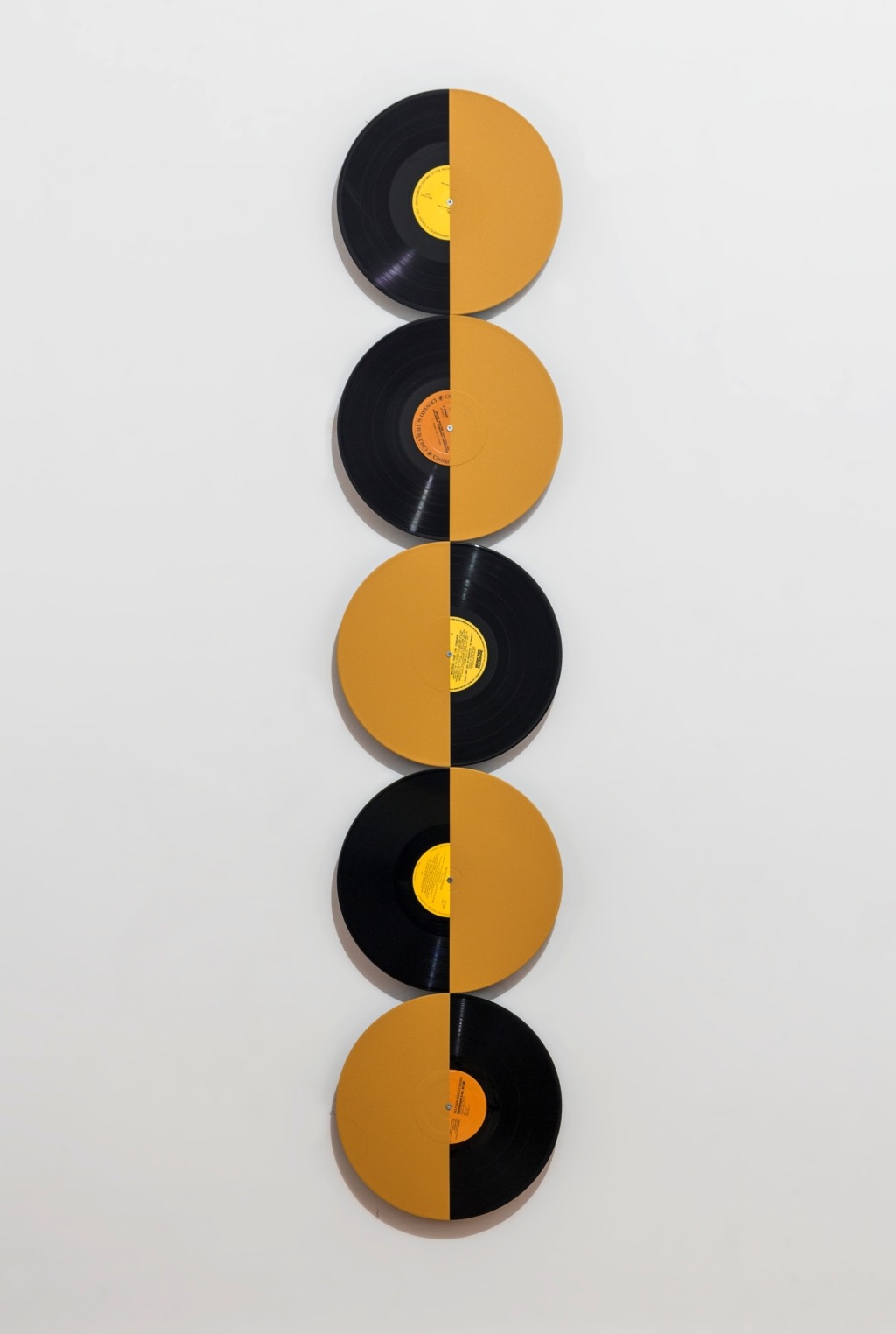
Disques colorés (ocre), 2017
Acrylic on vinyl discs, aluminium structure, 150 x 30 x 3 cm
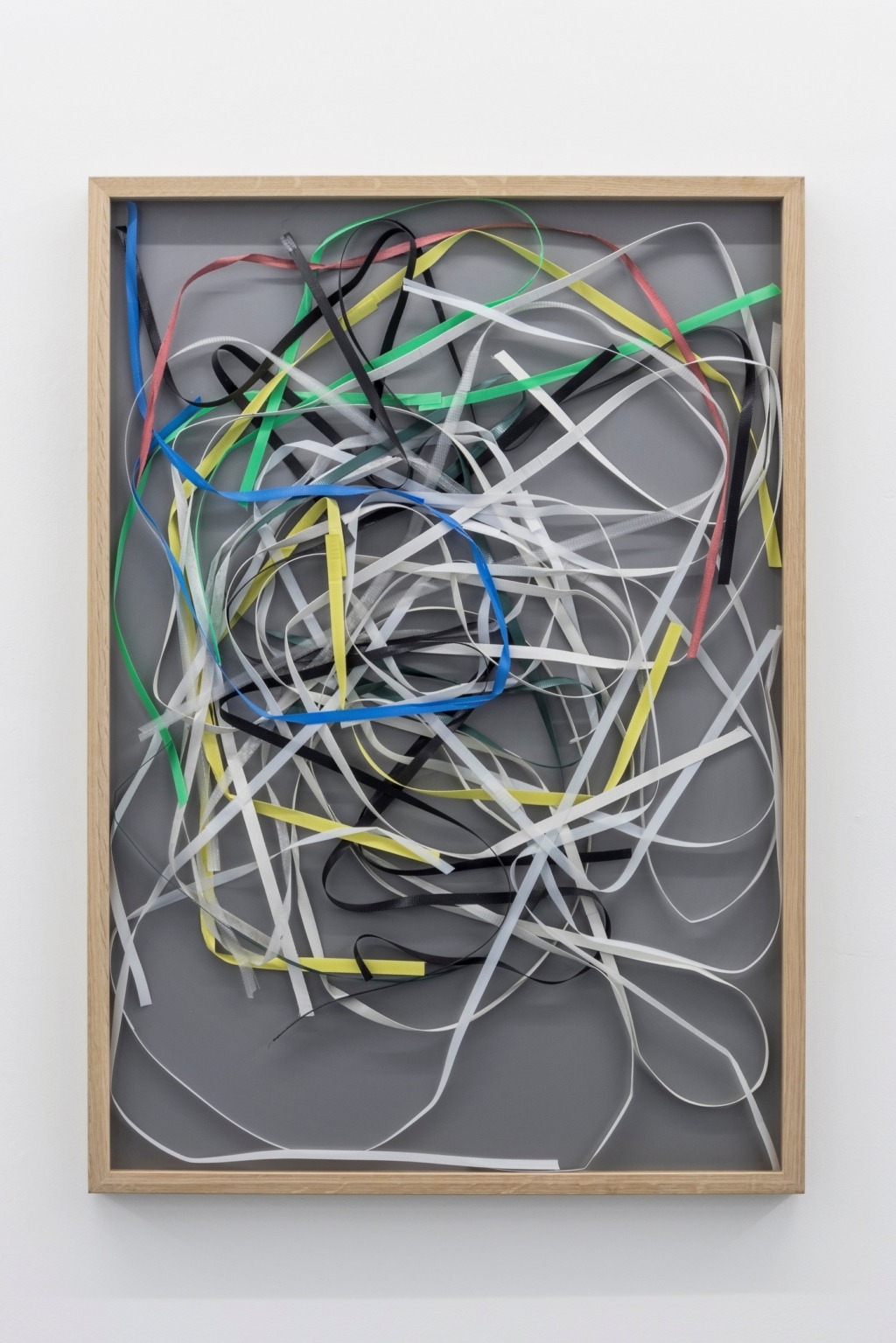
Untitled, 2021
Polyester ribbon and frame, 100 x 70 x 4 cm
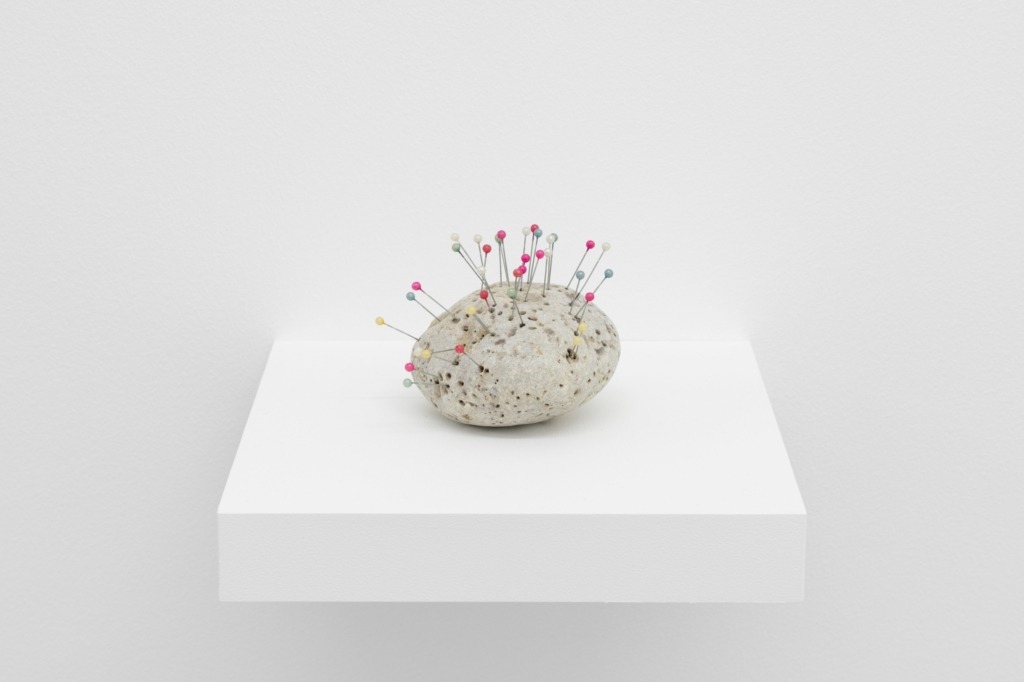
Compêndio #46, 2020
Pins, stone, 8 x 12 x 10 cm
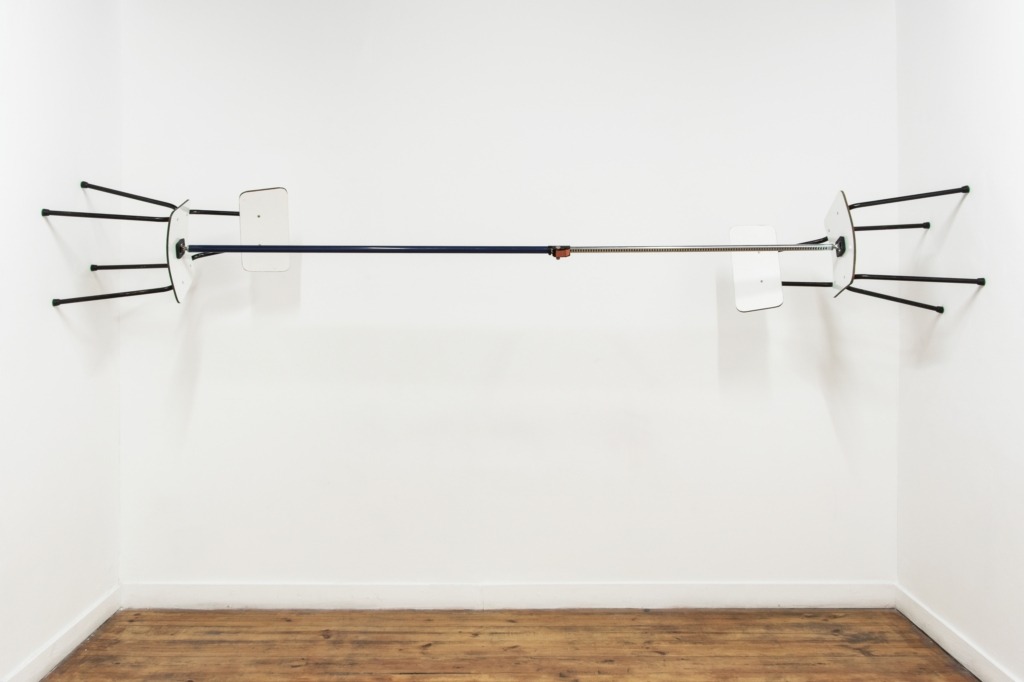
Holding on Contradiction, 2020
Chairs, mounting support tensioner, Variable dimensions
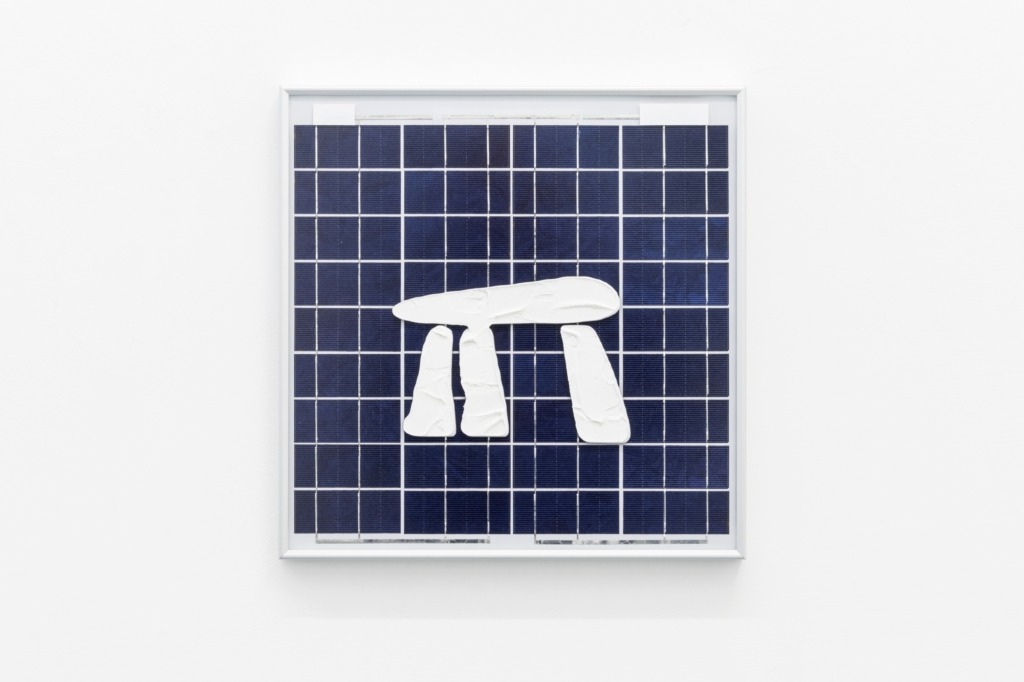
Untitled, 2025
Silicone on solar panel, 34.5 x 34 cm
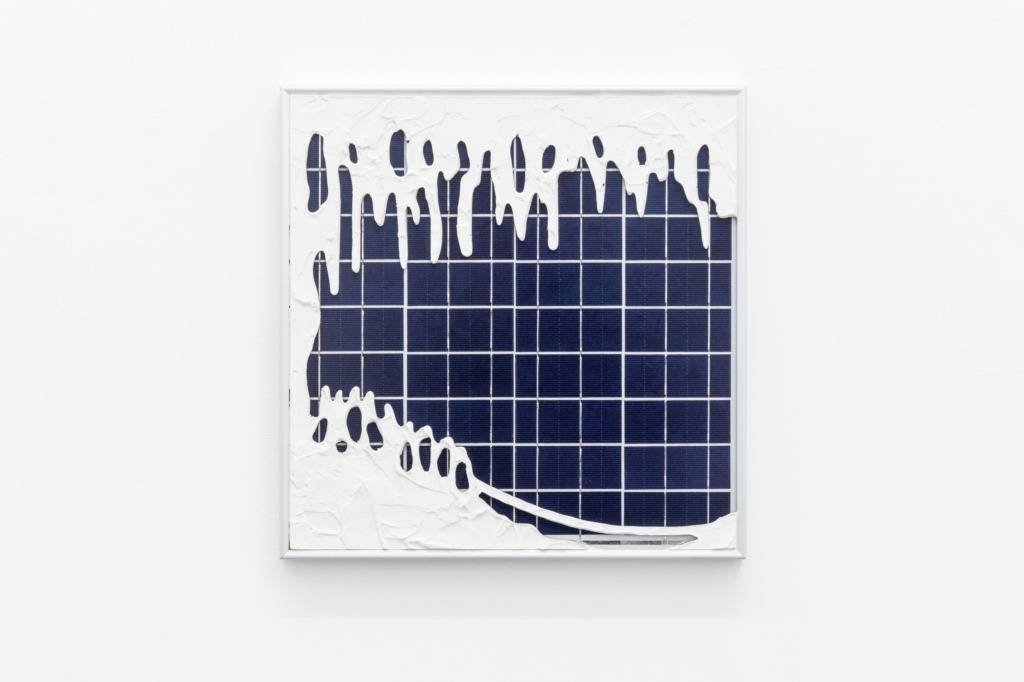
Untitled, 2025
Silicone on solar panel, 34.5 x 34 cm
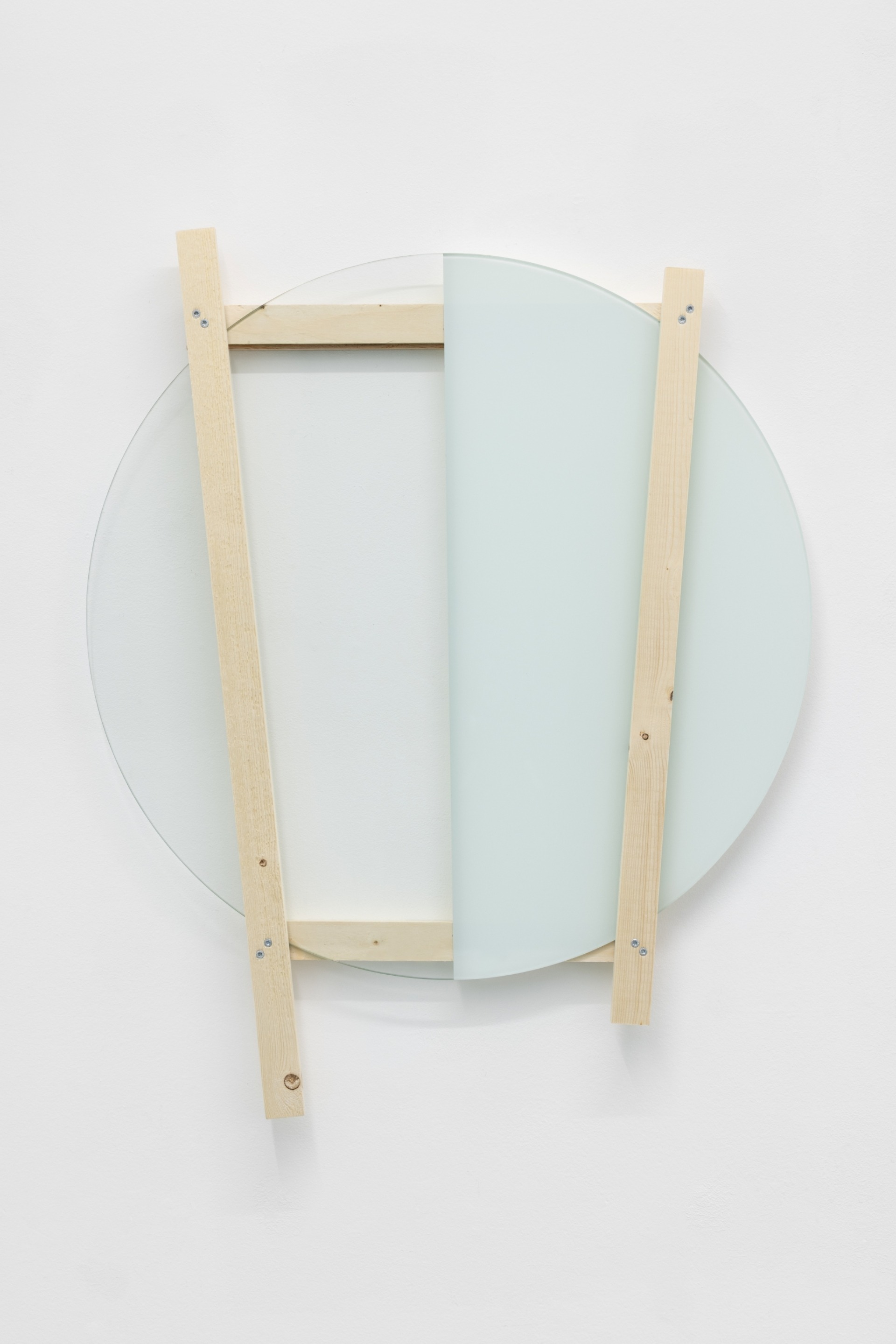
Sem título | Untitled, 2025
Enamel on glass, wood
79 x 65 x 5 cm, JFM310
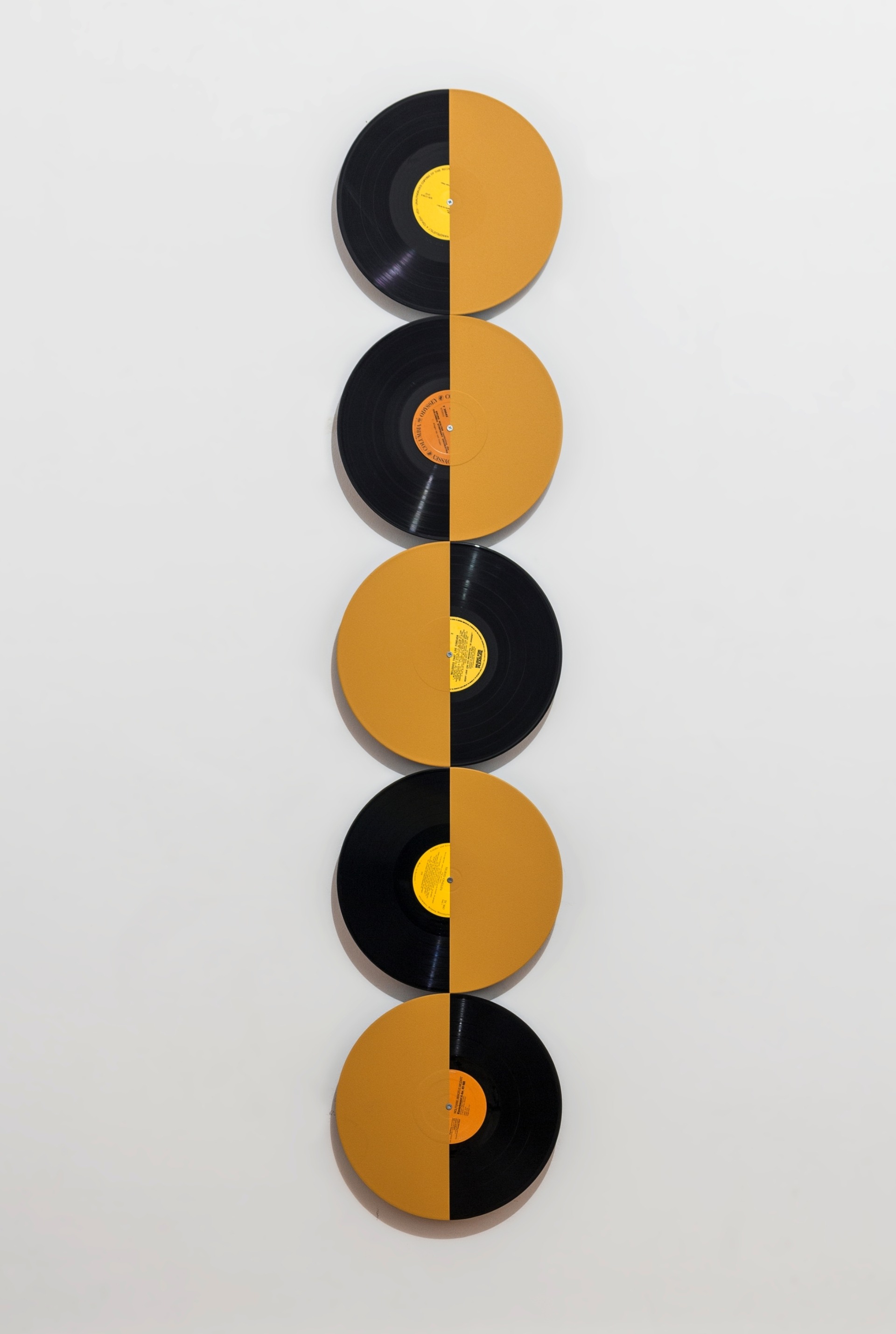
Disques colorés (ocre), 2017
Acrylic on vinyl discs, aluminium structure, 150 x 30 x 3 cm
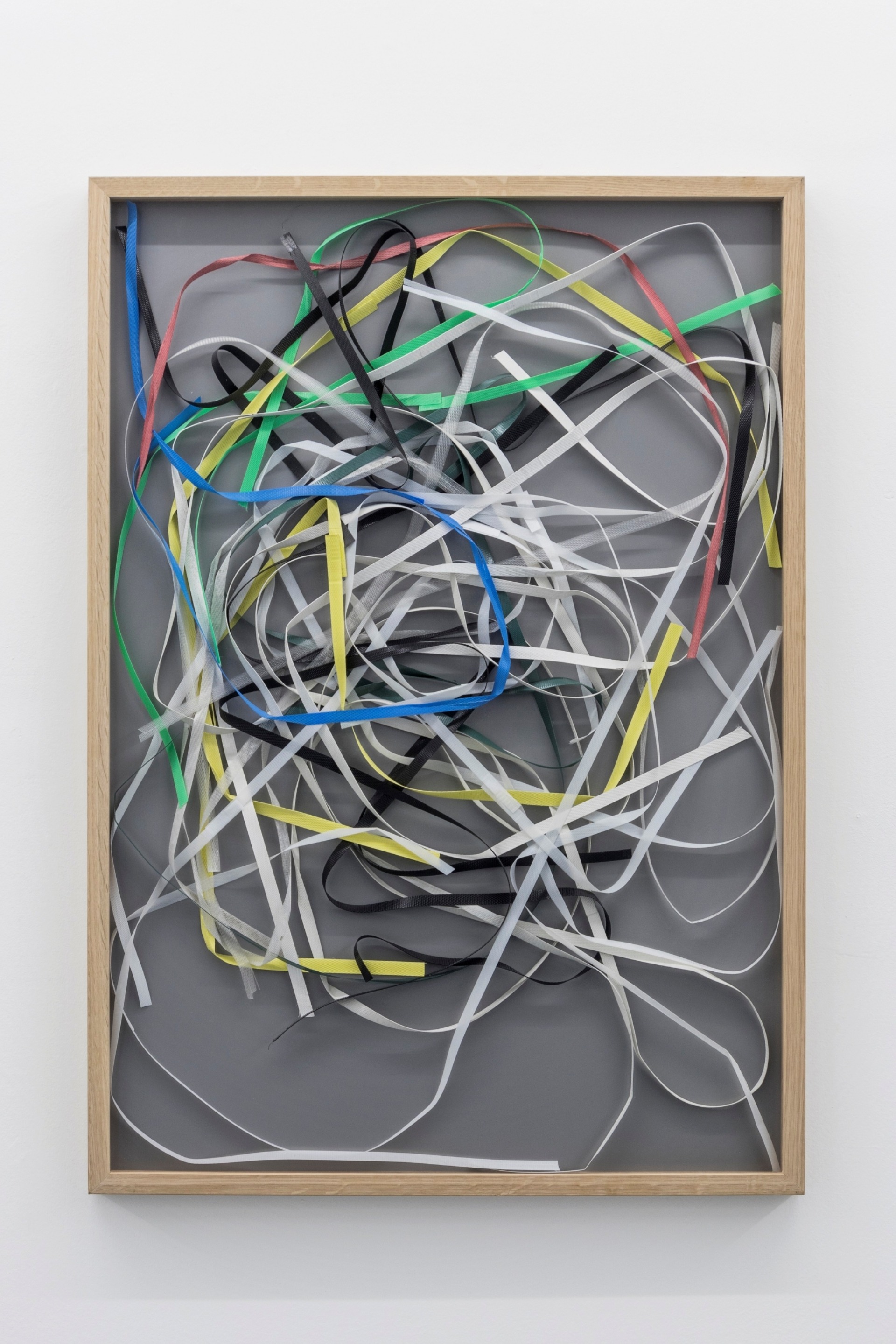
Untitled, 2021
Polyester ribbon and frame, 100 x 70 x 4 cm
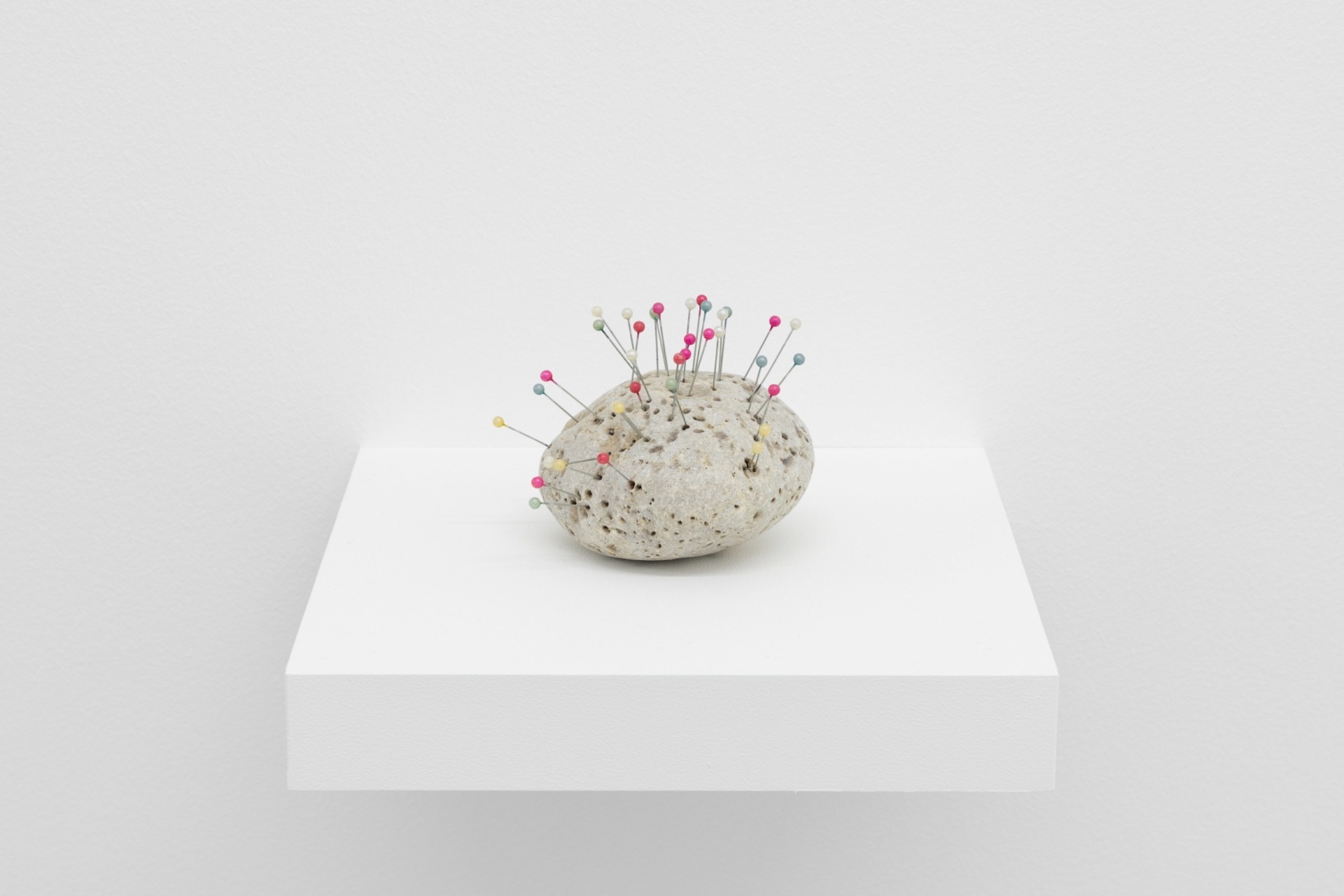
Compêndio #46, 2020
Pins, stone, 8 x 12 x 10 cm
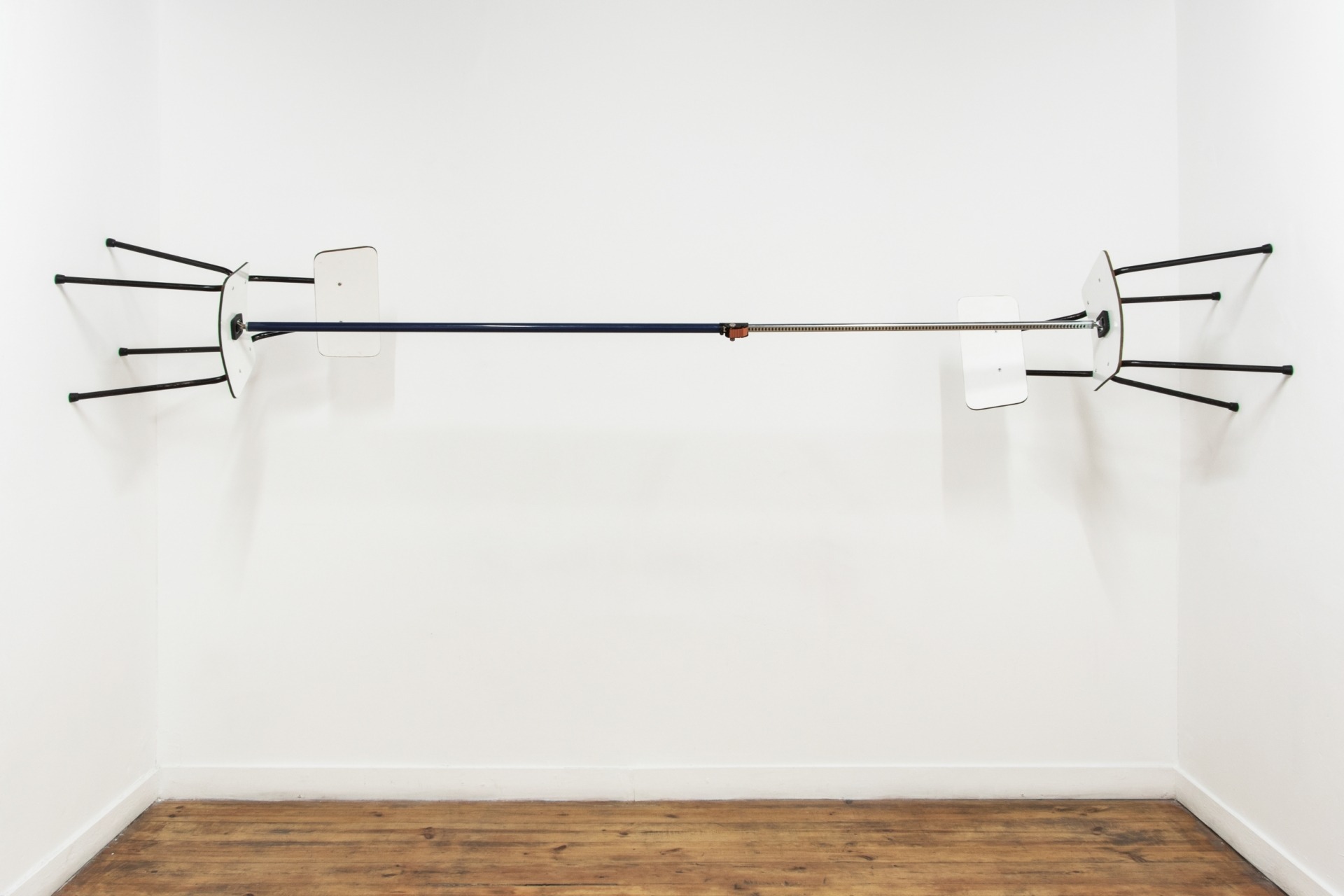
Holding on Contradiction, 2020
Chairs, mounting support tensioner, Variable dimensions
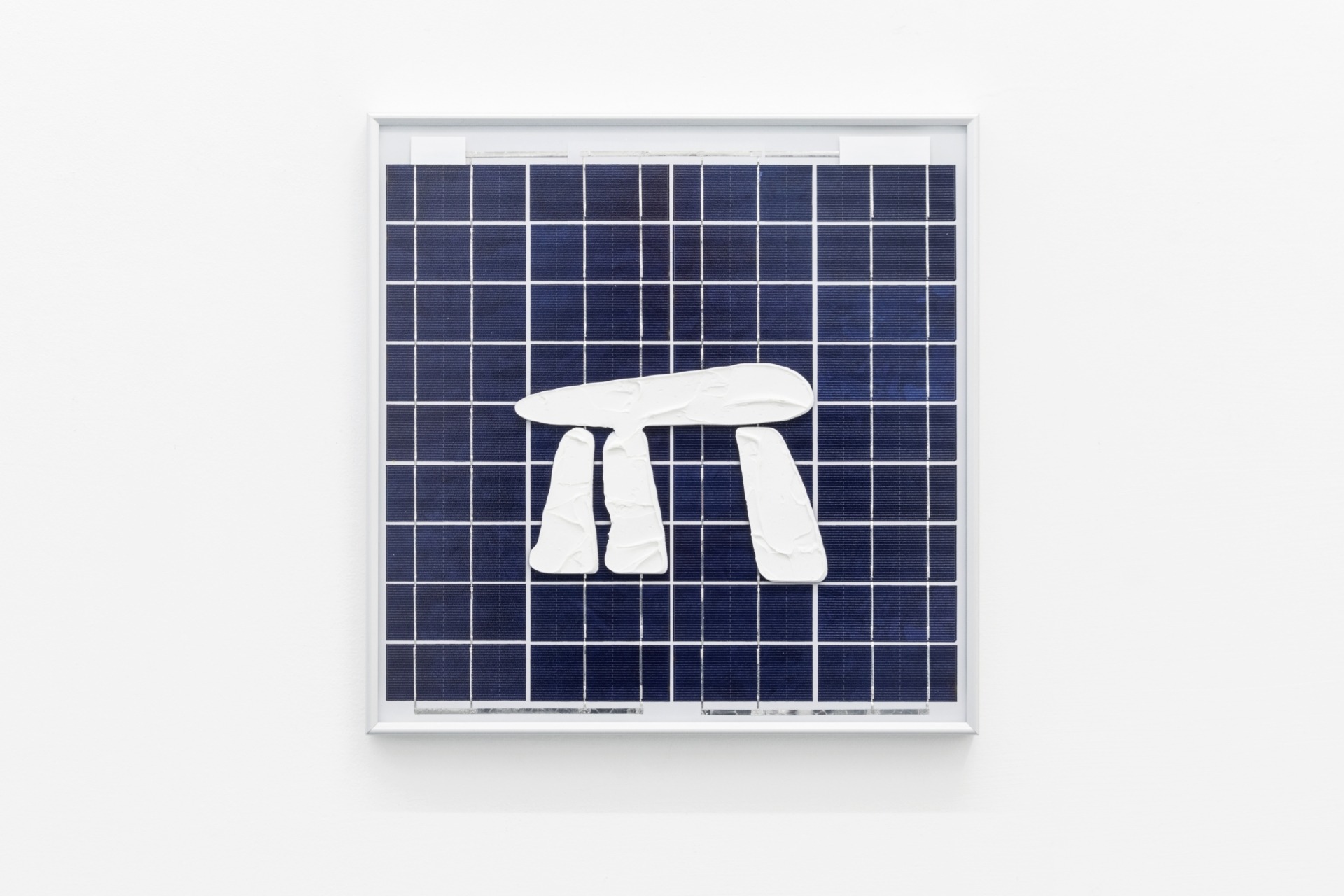
Untitled, 2025
Silicone on solar panel, 34.5 x 34 cm
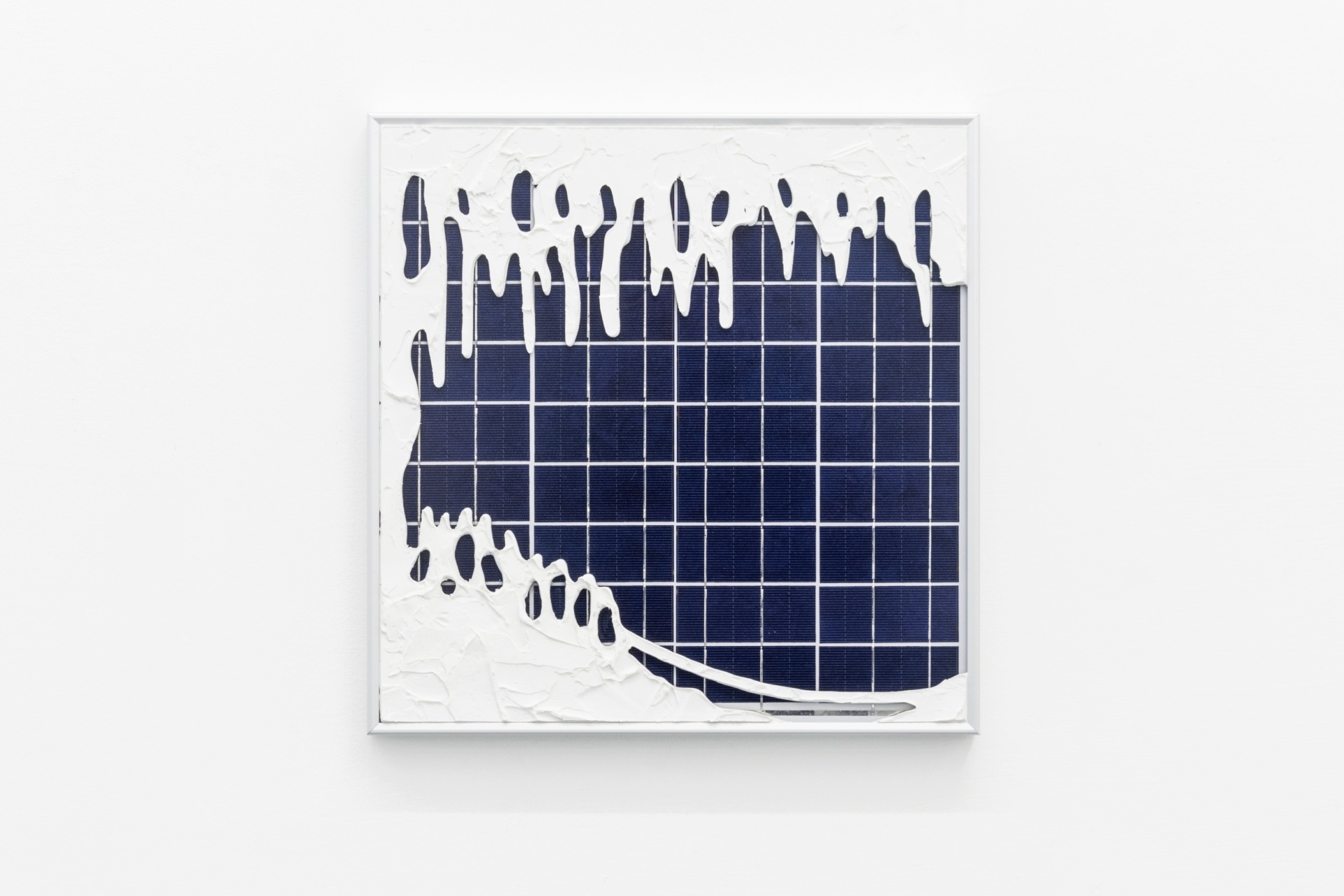
Untitled, 2025
Silicone on solar panel, 34.5 x 34 cm
João Ferro Martins’ (Santarém, 1979) work is characterised by its multidisciplinary approach and the use of found objects. Working with painting, installation, drawing, performance and music, the artist appropriates everyday objects or images, from both collected and personal sources, in turn, attributing new meanings, translating ideas and memories into what is real and concrete.
Juan Tessi
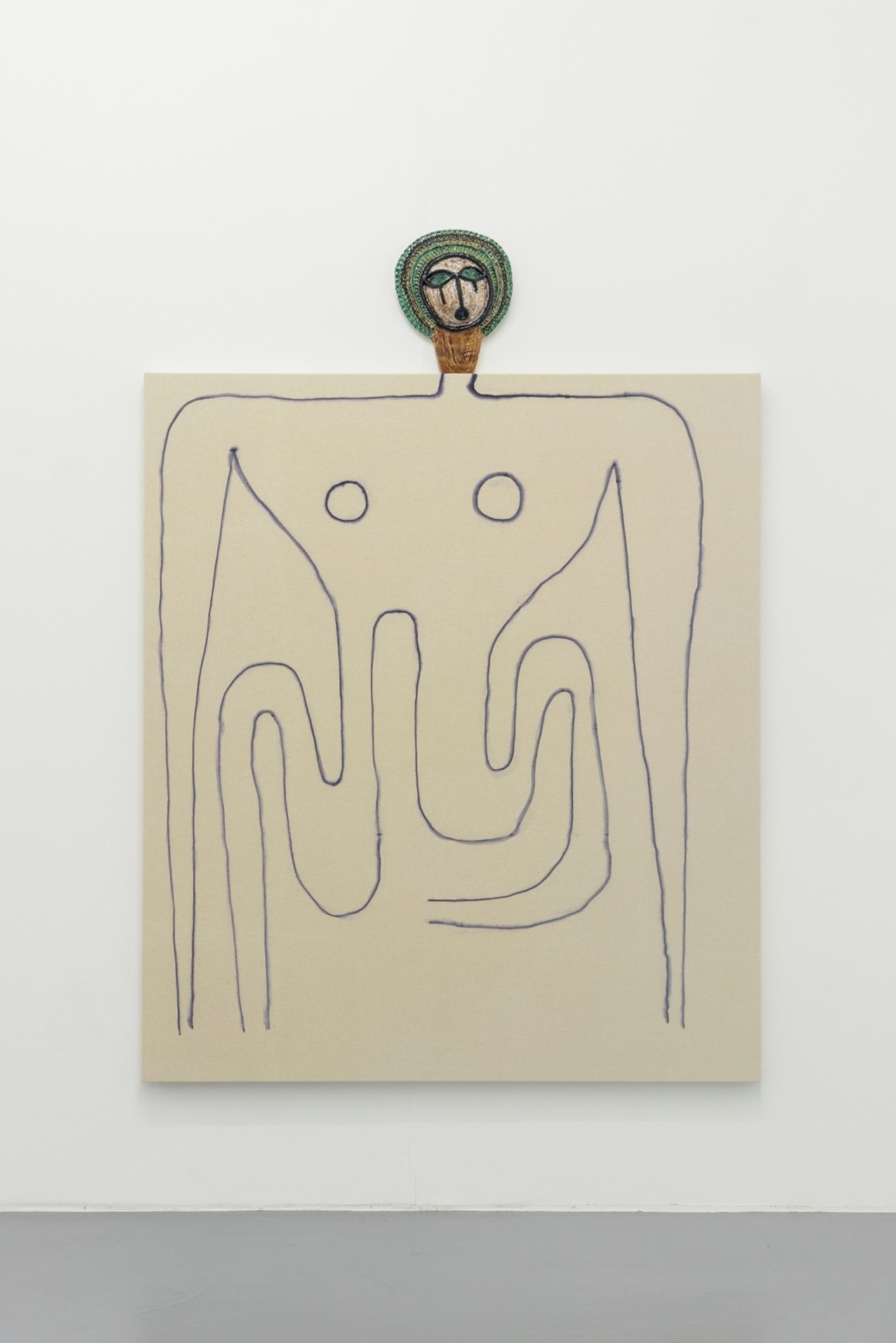
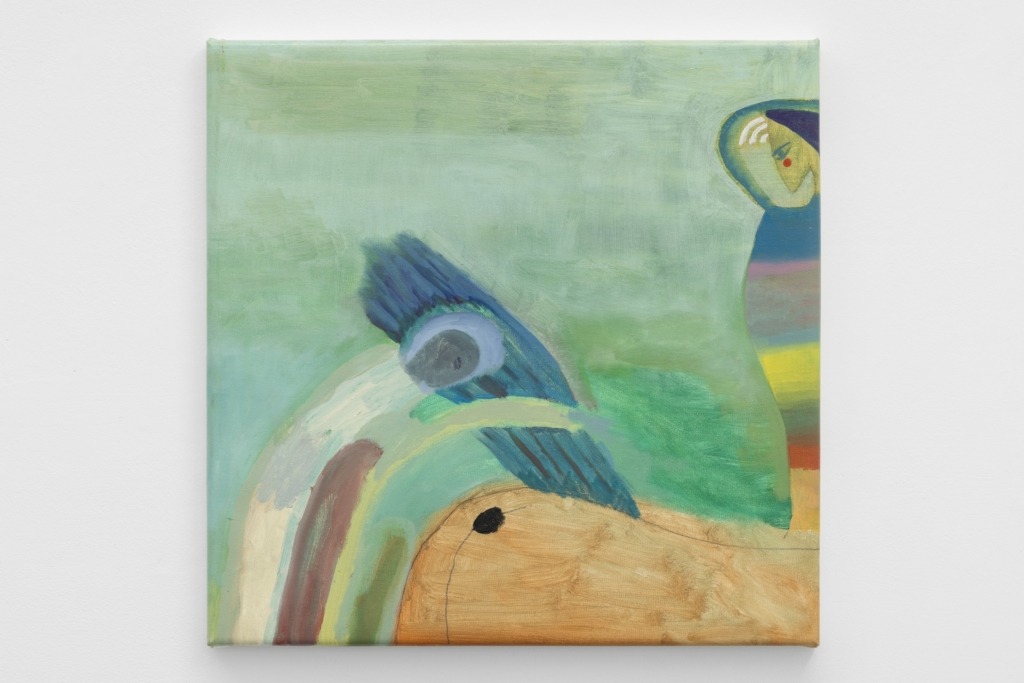
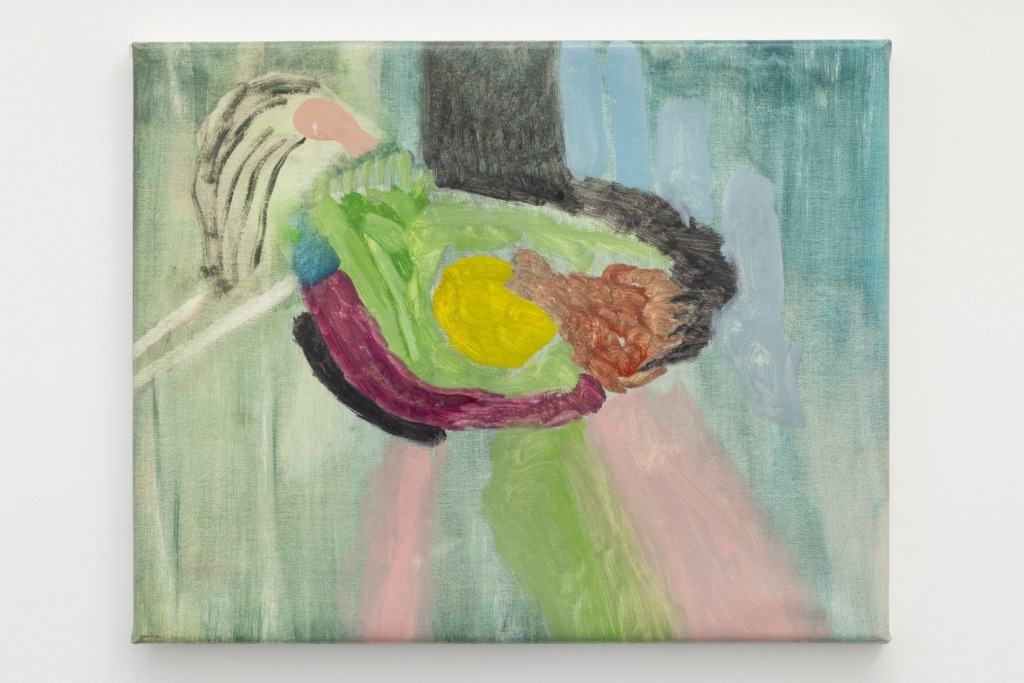
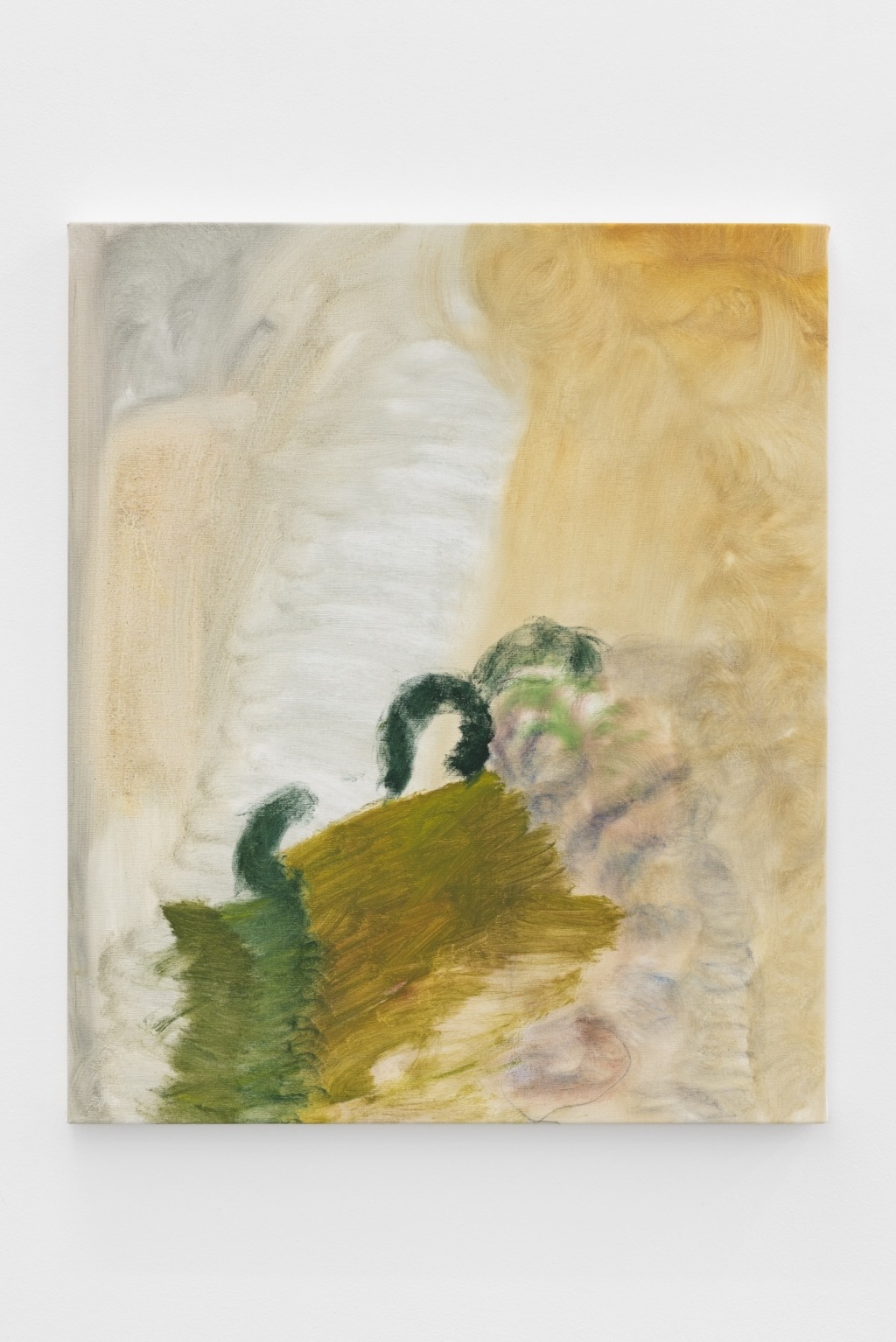
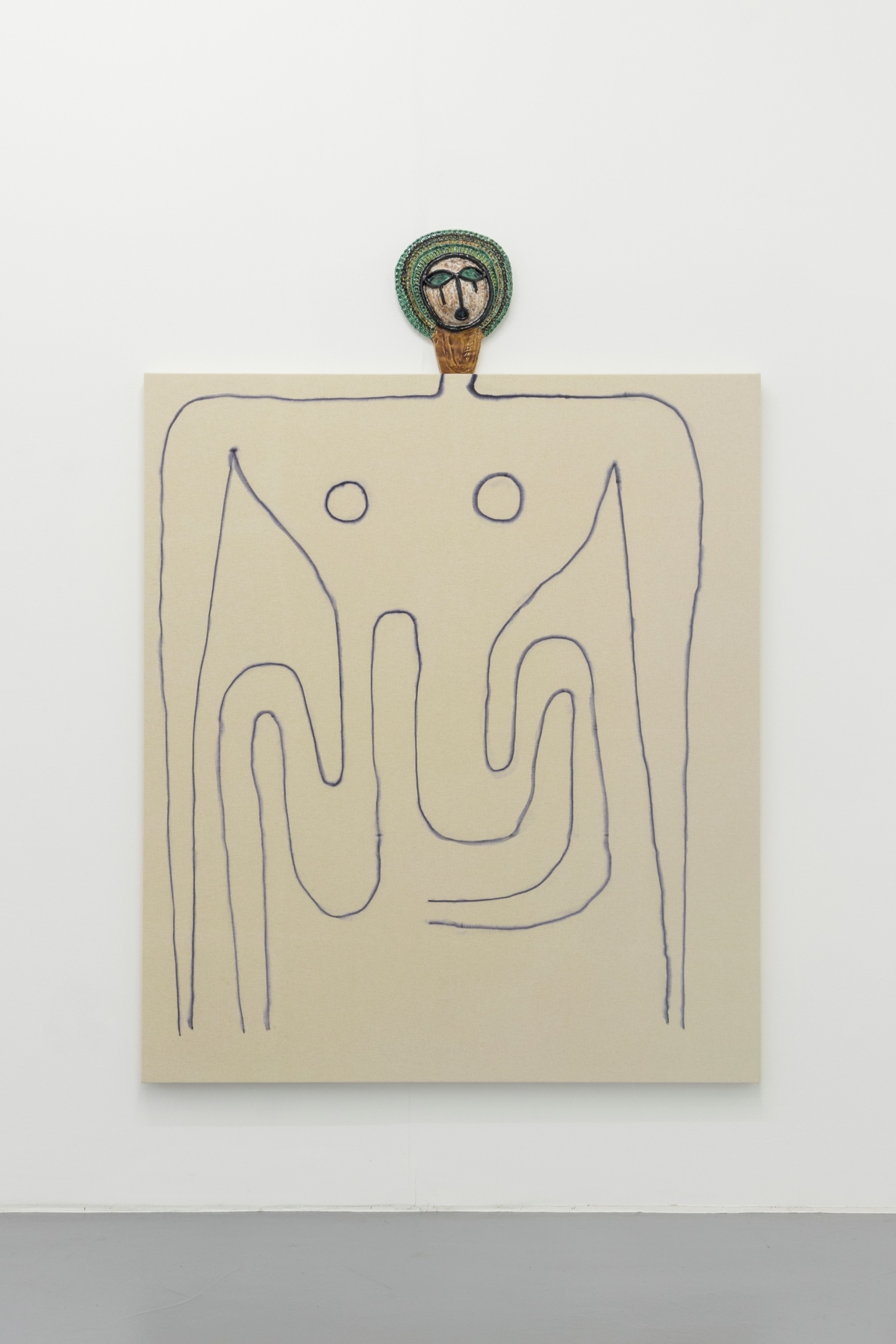
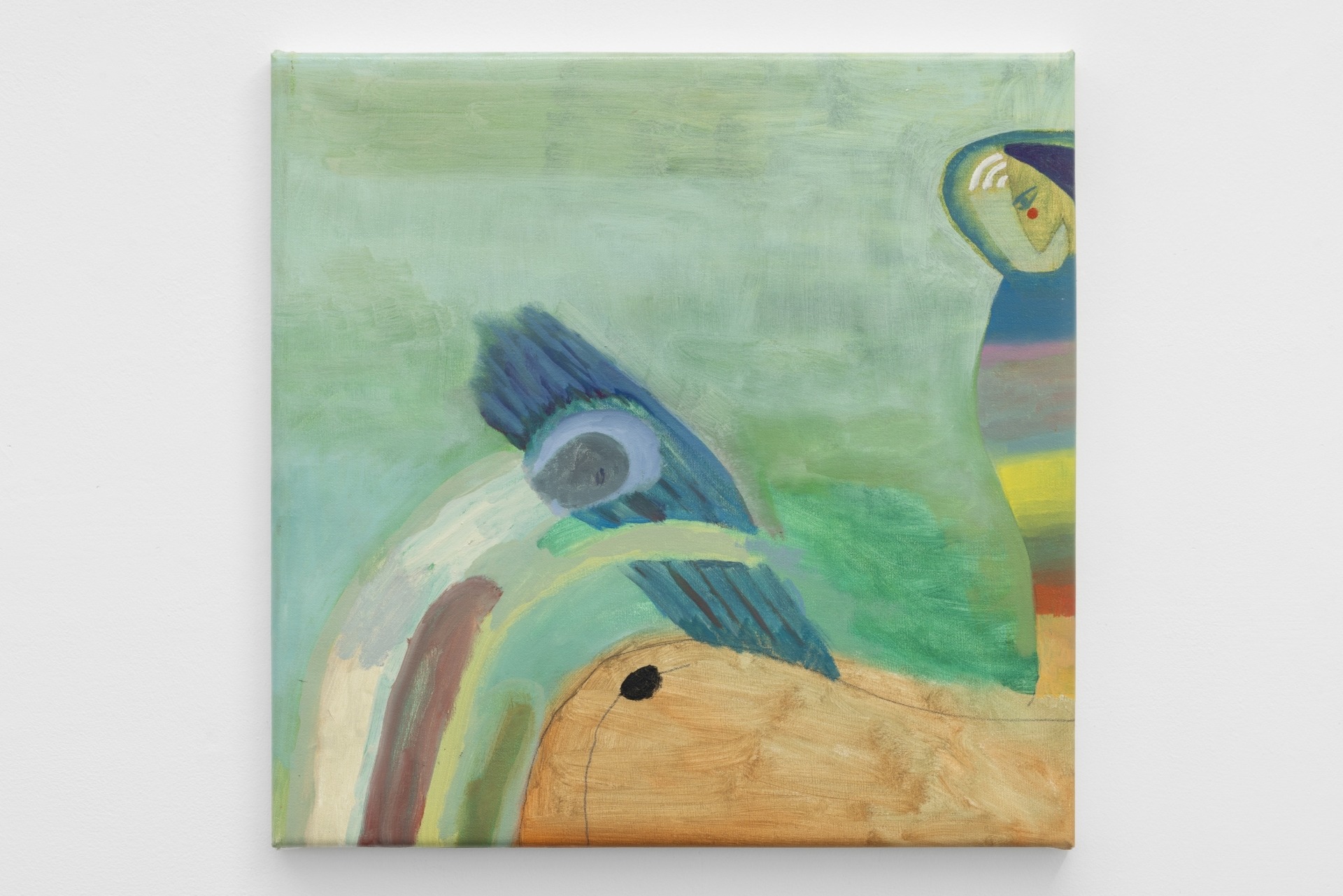
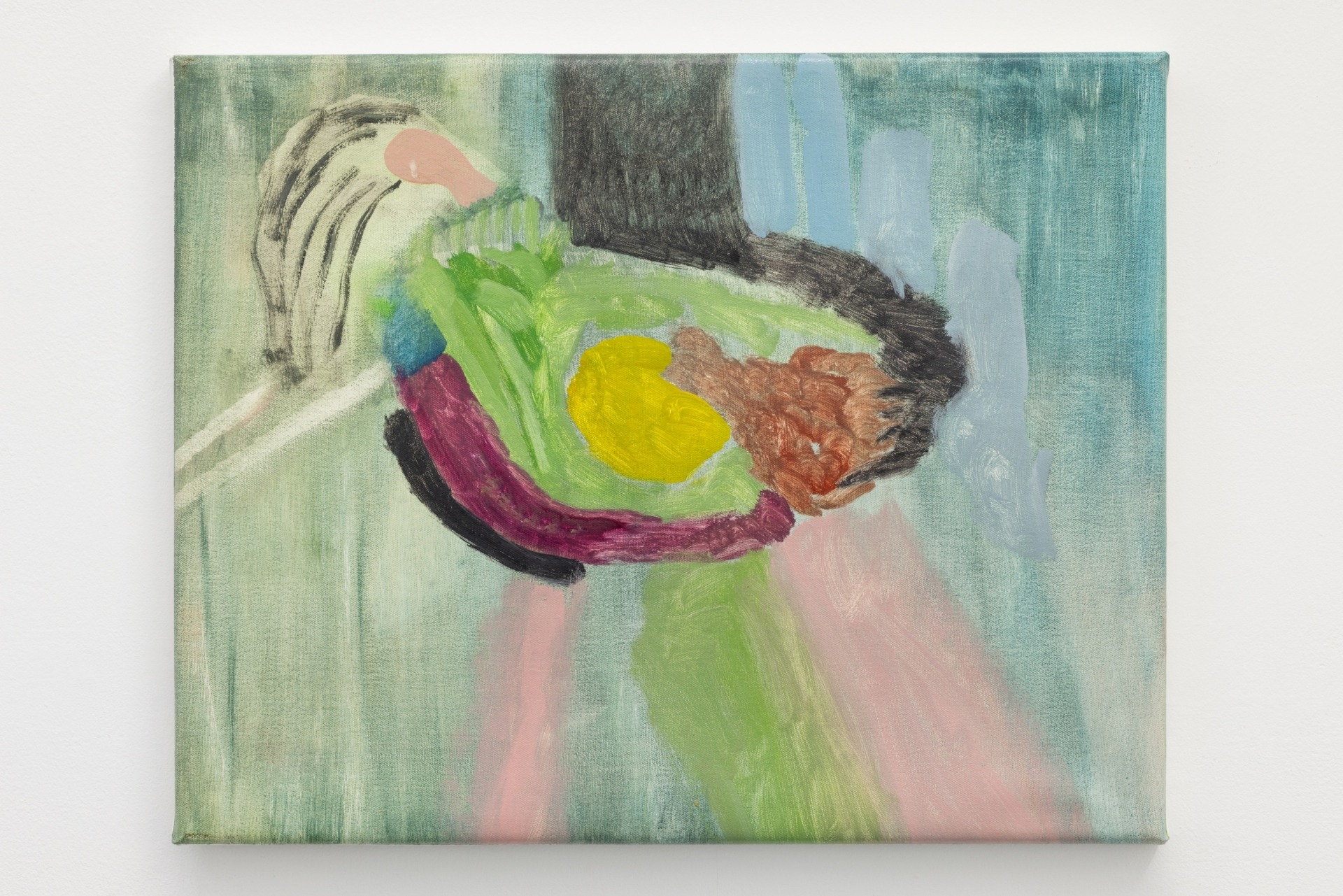
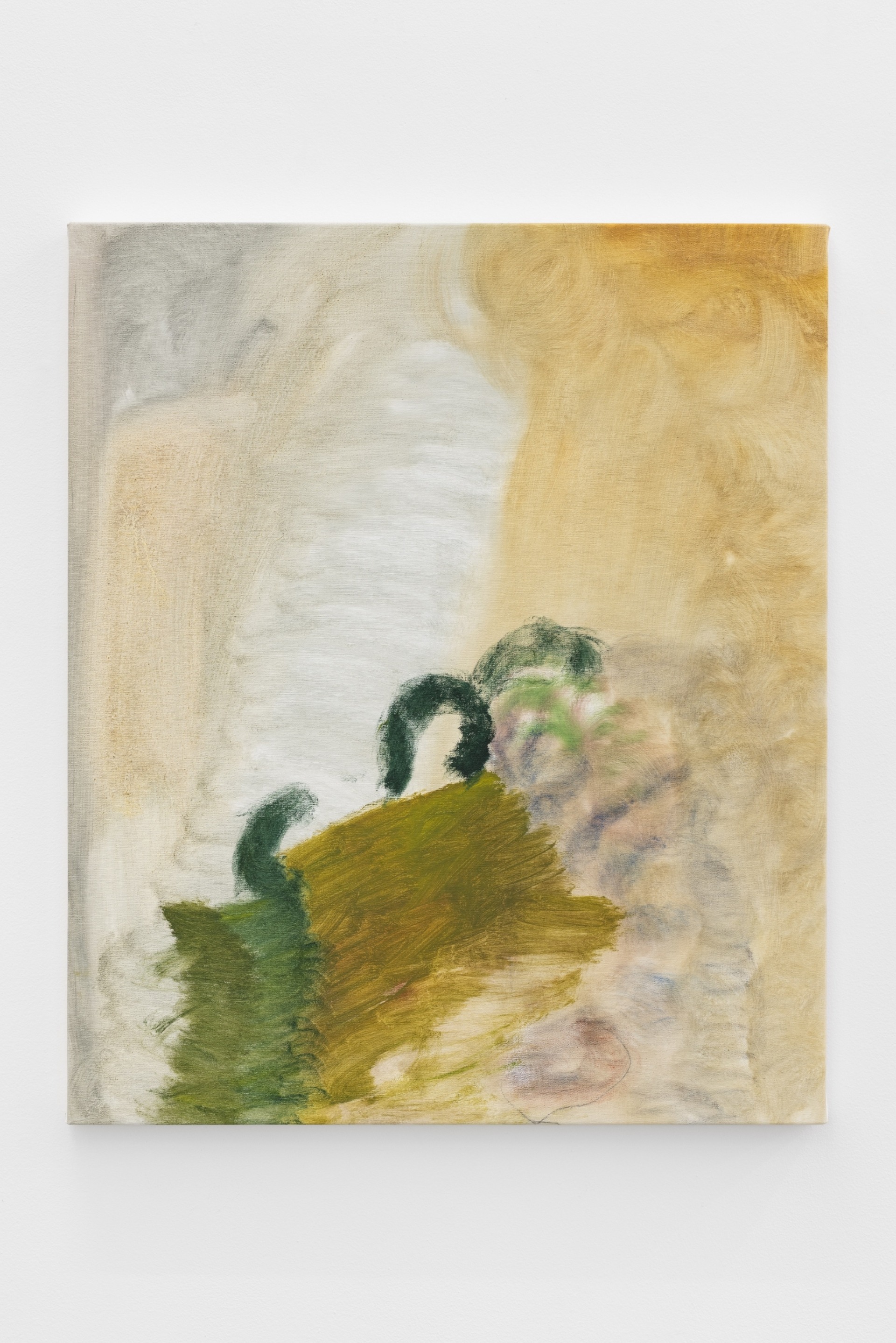


Juan Tessi’s (Lima, Peru, 1972) work has developed around the observation of the body. Not necessarily the human body, but rather the elements that compose any figure. In the same way, he explores painting itself using, other than the paint, the canvas and its limits as components of its morphology.
Nuno Sousa Vieira
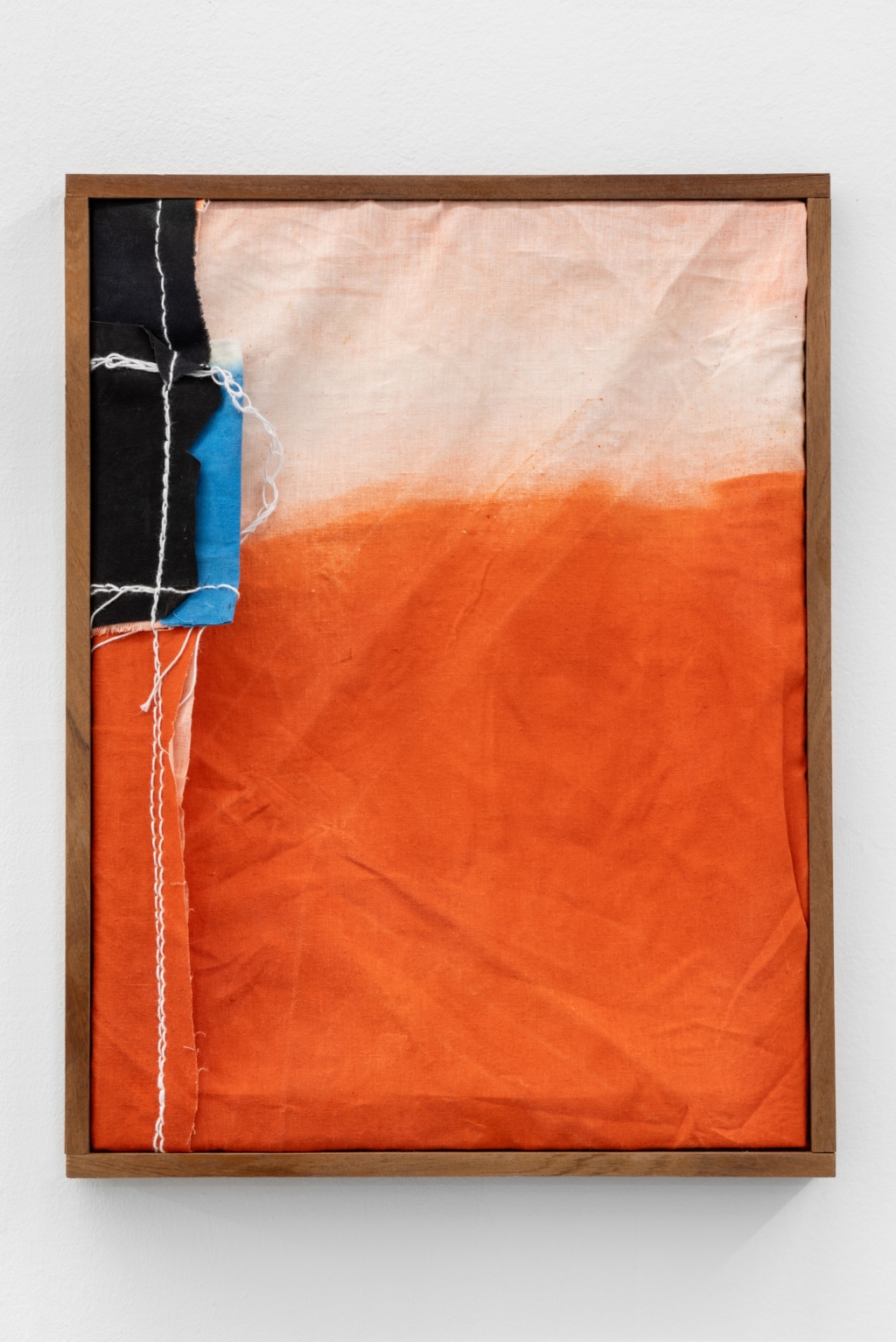
Lugar de começo / retoque 8#, 2025
Oil on linen and stitching with cotton thread, 42.5 x 32.5 x 4 cm

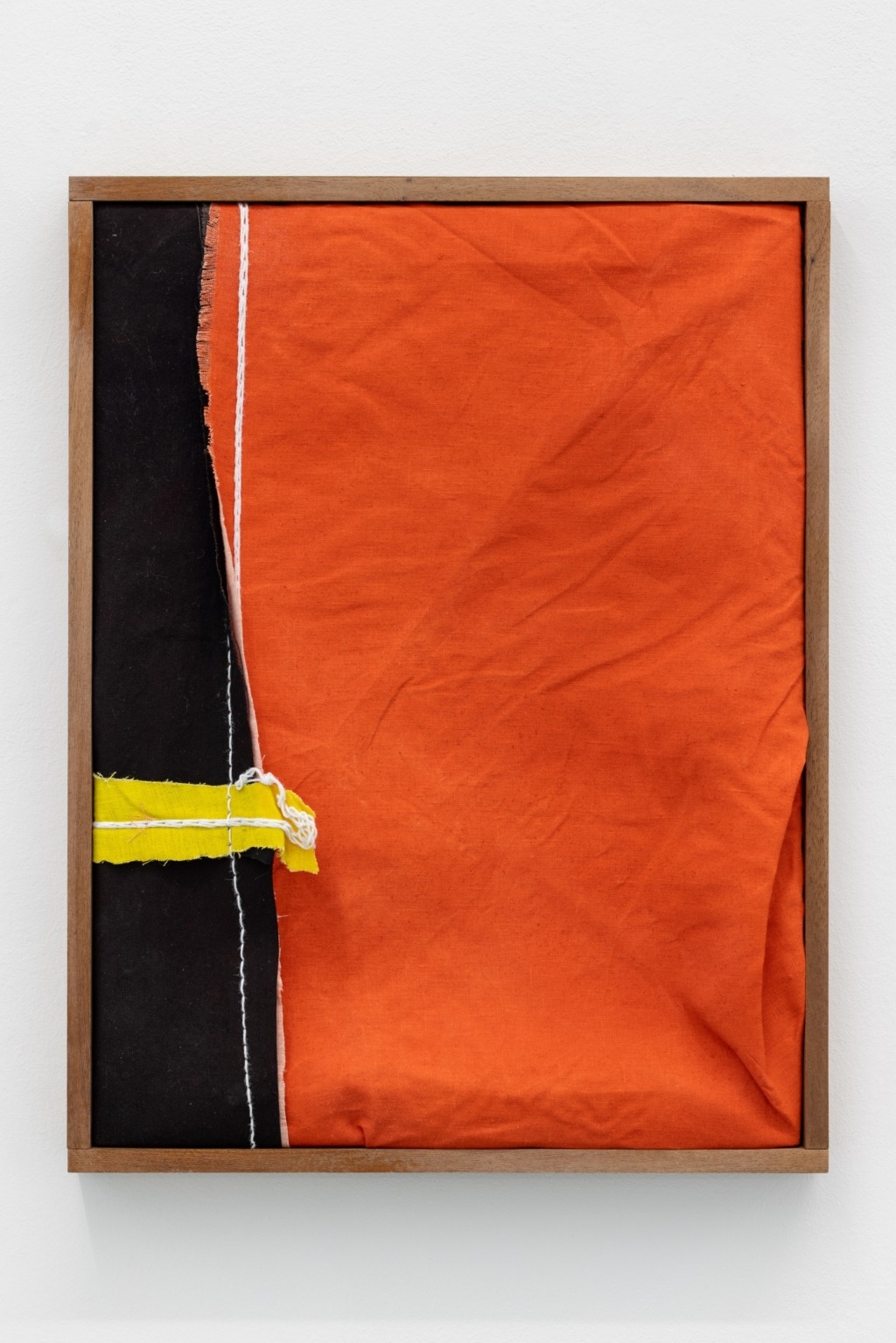
Lugar de começo / retoque 7#, 2025
Oil on linen and stitching with cotton thread, 42.5 x 32.5 x 4 cm

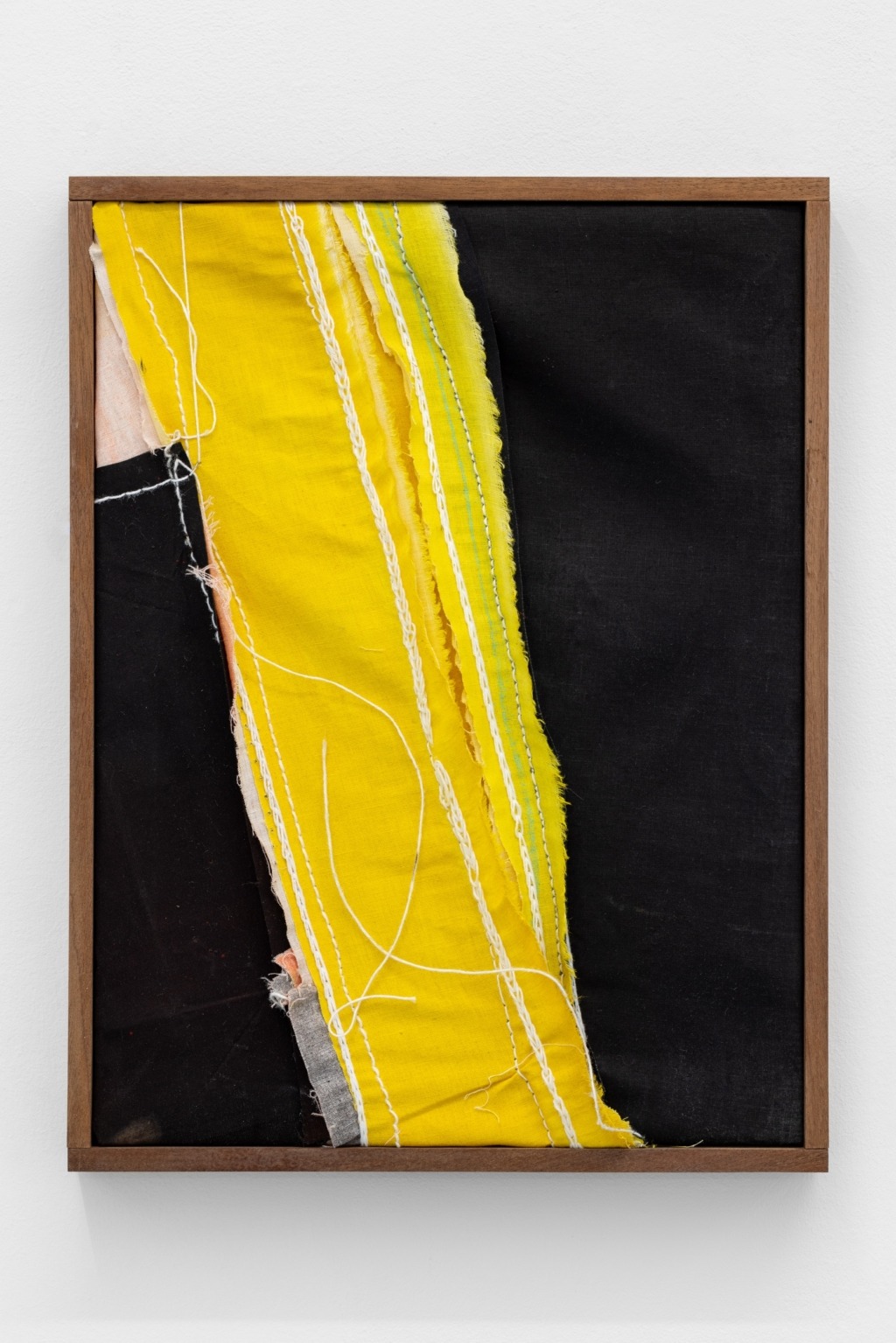
Lugar de começo / retoque 6#, 2025
Oil on linen and stitching with cotton thread, 42.5 x 32.5 x 4 cm

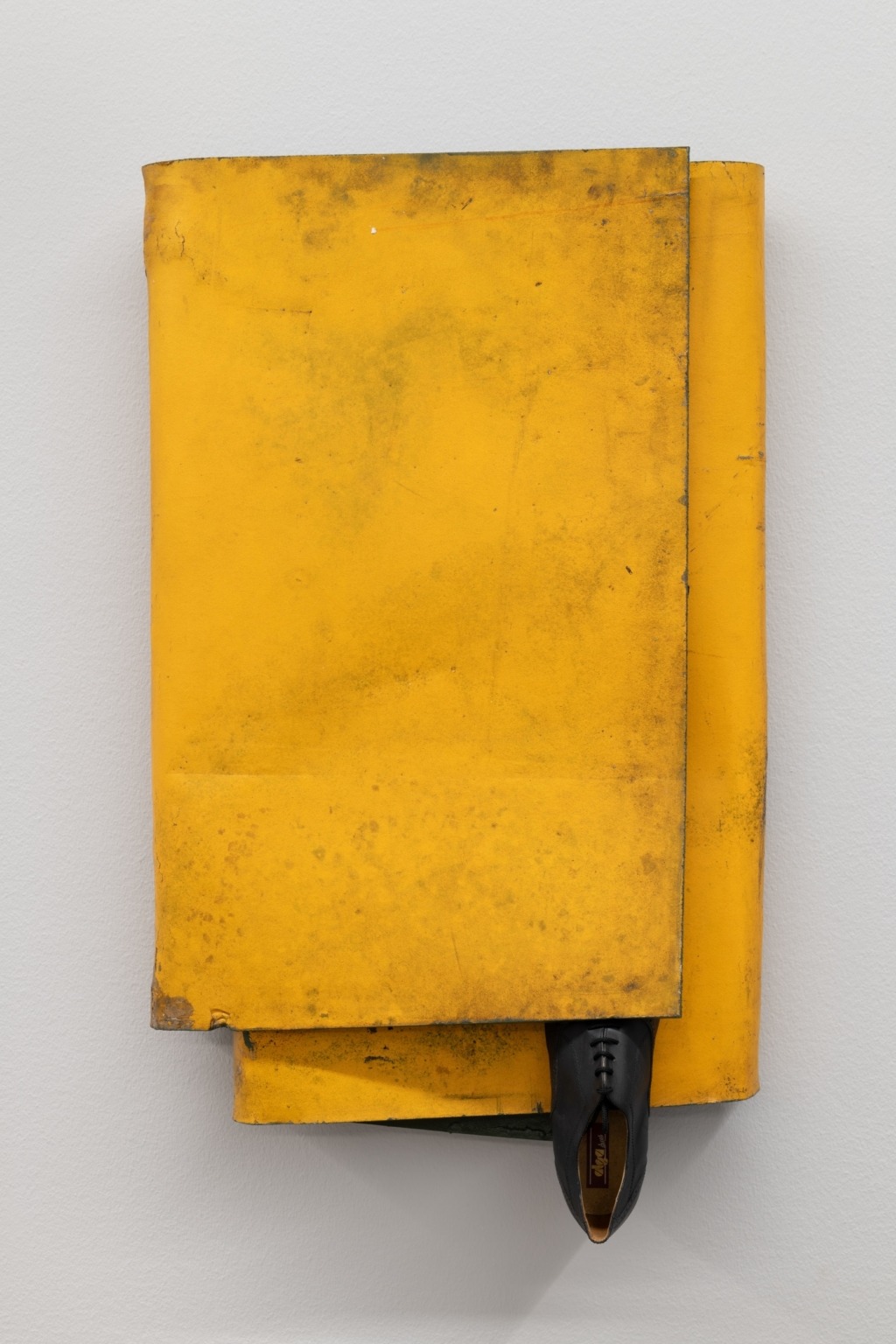
Sem pisar o chão , 2024
Acrylic paint on rolled MDF, left shoe and plywood, 100 x 58 x 19 cm

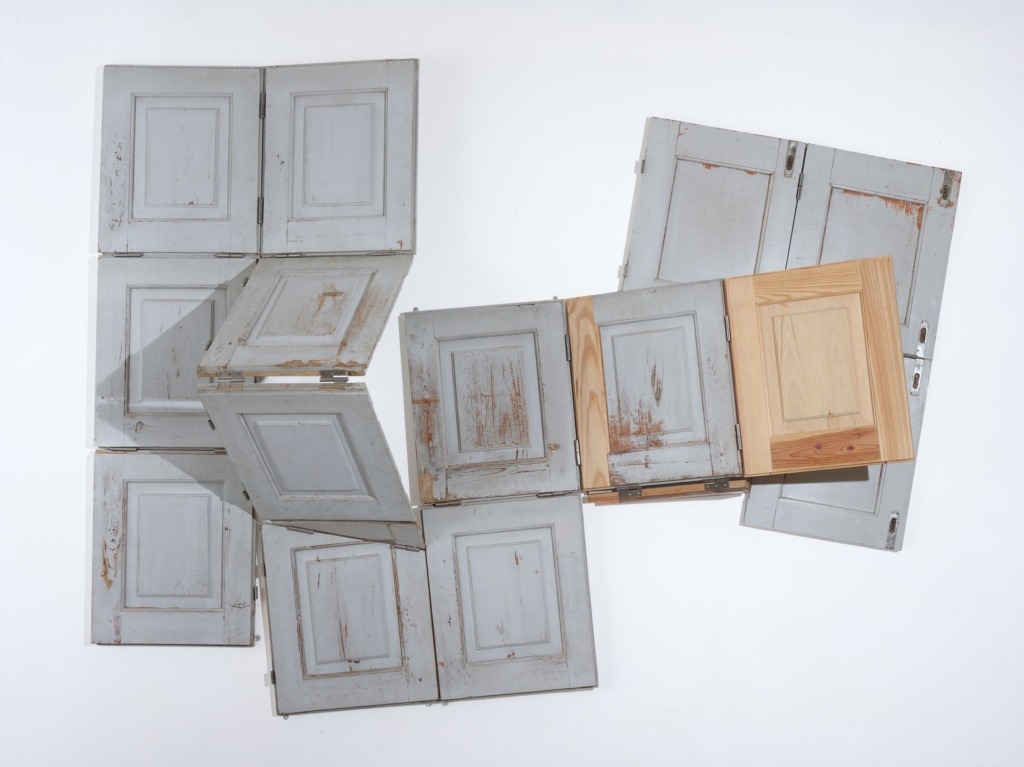
Para não ficarmos sujeitos a um exterior qualquer I, 2014
Altered wooden shutter from artist’s atelier, pine wood and hardware, 220 x 260 x 55 cm

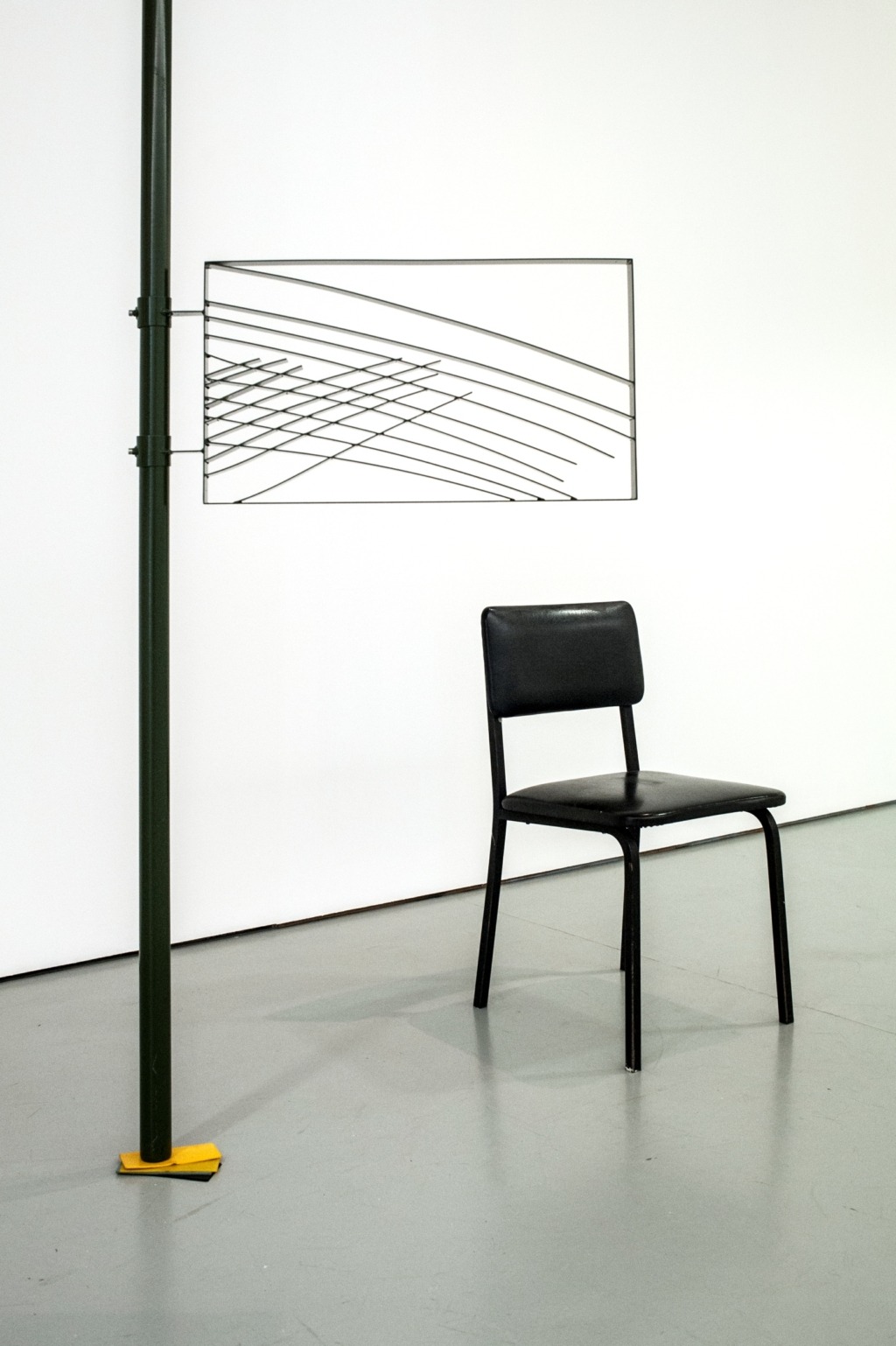
Prefiro as linhas tortas I, 2017
Lacquered iron, rubber and graphite on a medium isometric notebook, 300 x 80 x 5 cm

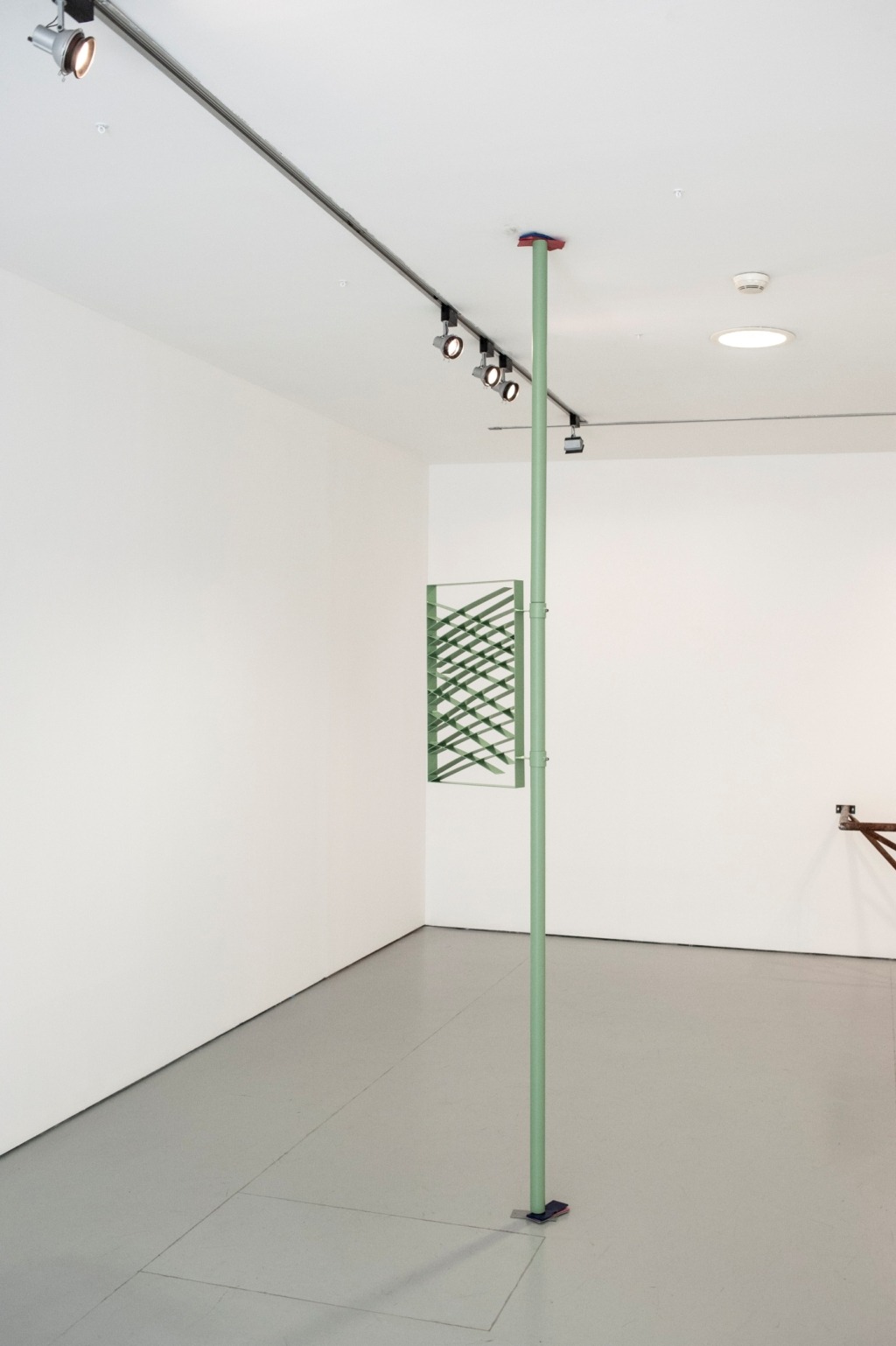
Prefiro as linhas tortas II, 2017
Lacquered iron, rubber and graphite on a medium isometric notebook, 300 x 80 x 5 cm

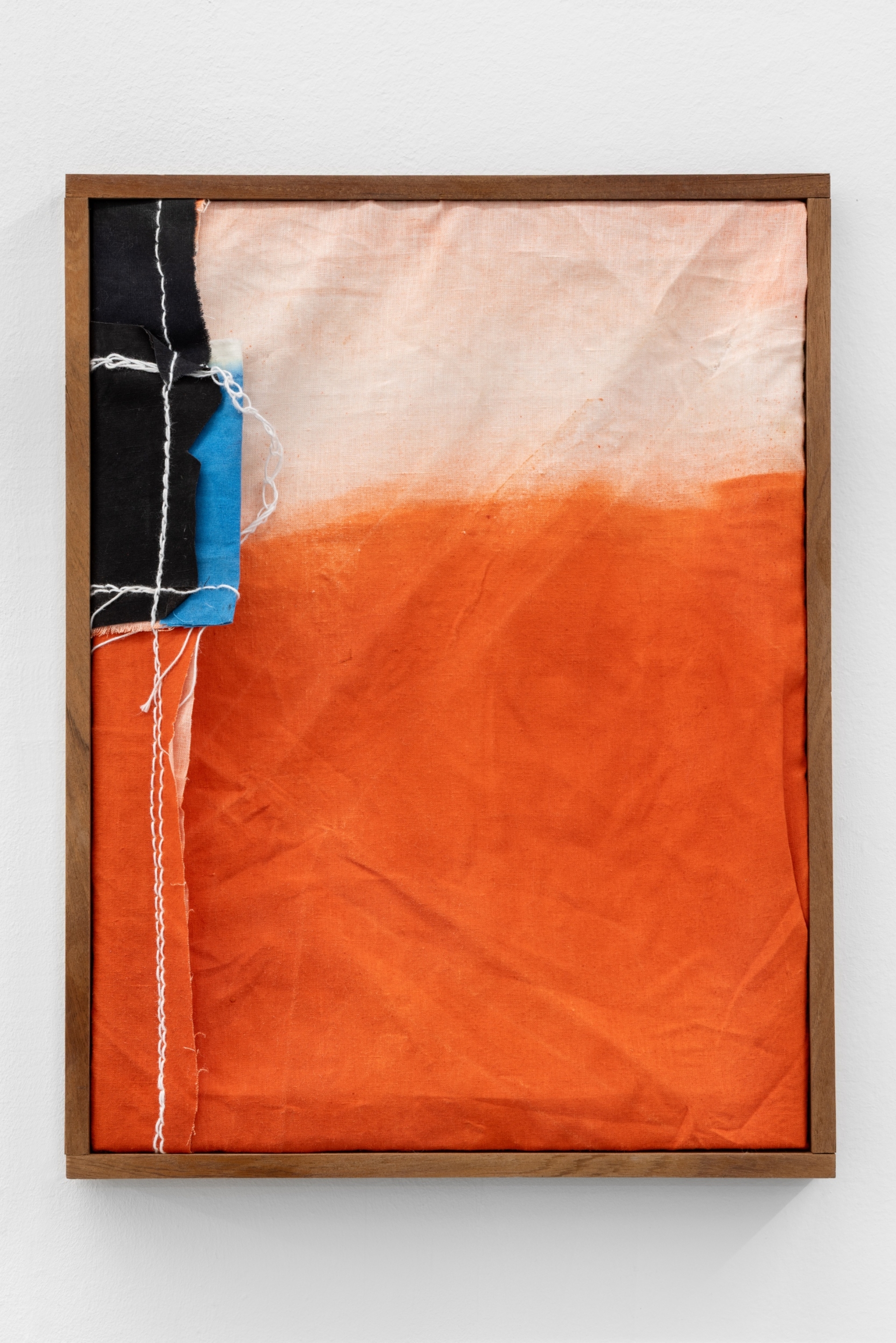
Lugar de começo / retoque 8#, 2025
Oil on linen and stitching with cotton thread, 42.5 x 32.5 x 4 cm
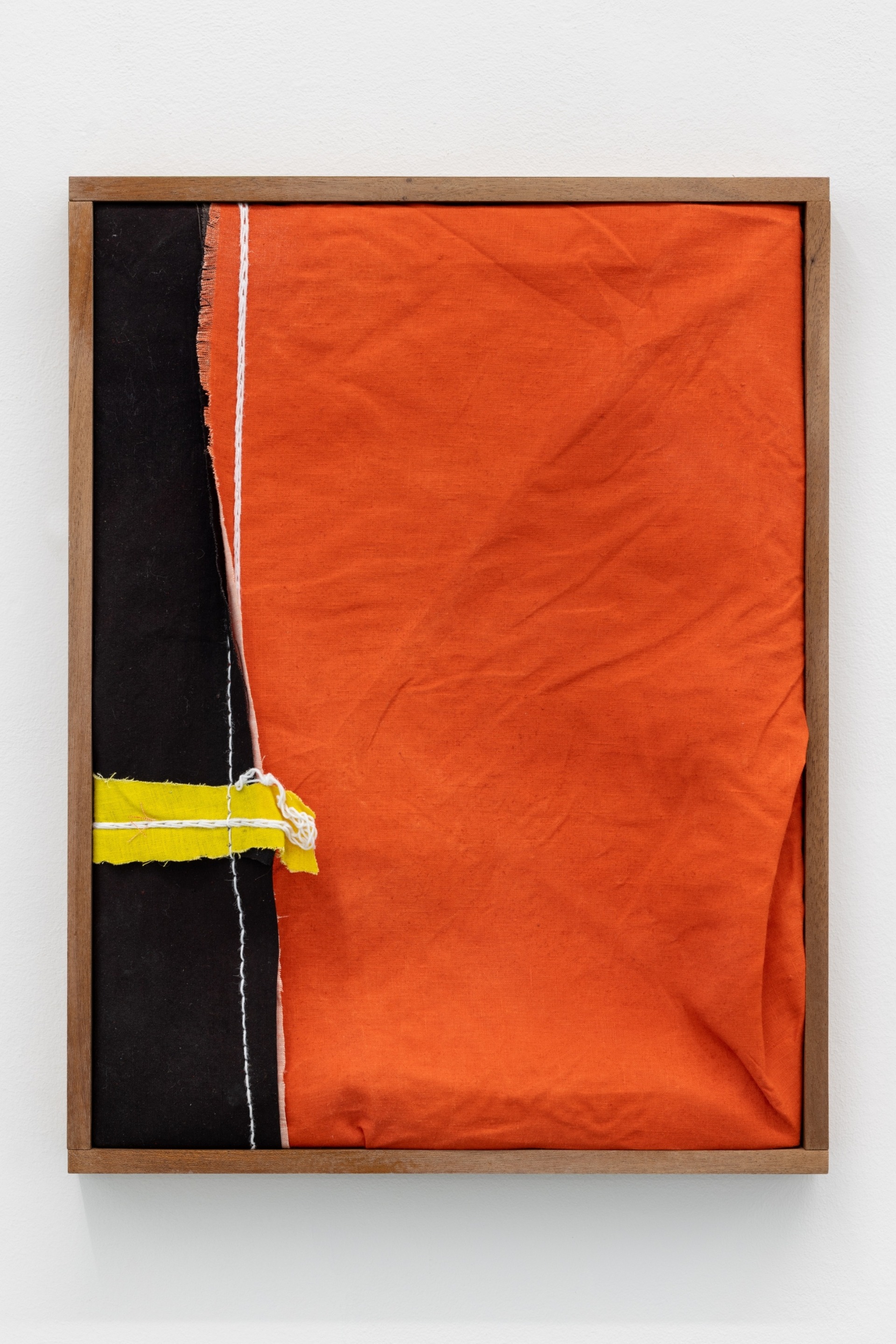
Lugar de começo / retoque 7#, 2025
Oil on linen and stitching with cotton thread, 42.5 x 32.5 x 4 cm
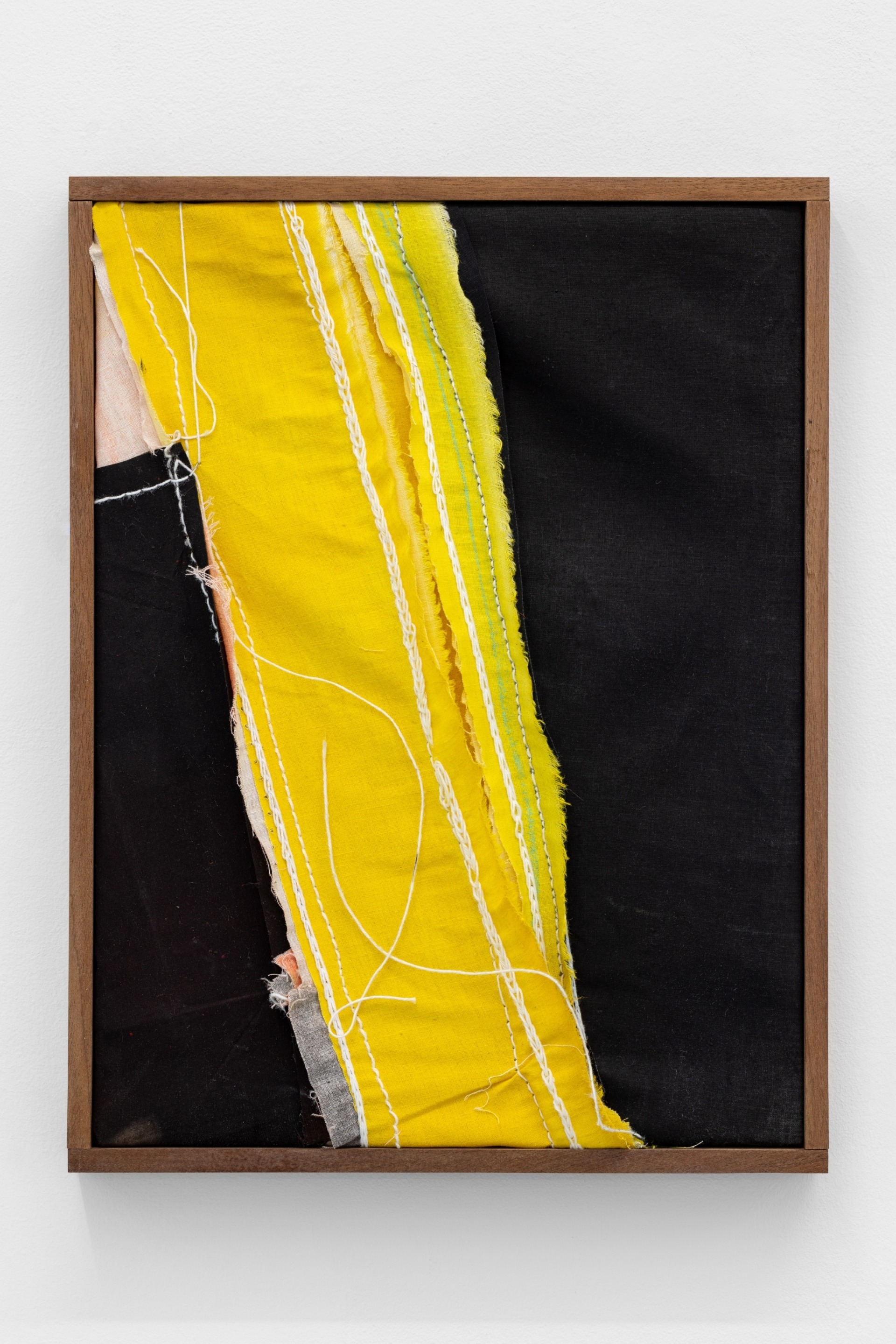
Lugar de começo / retoque 6#, 2025
Oil on linen and stitching with cotton thread, 42.5 x 32.5 x 4 cm
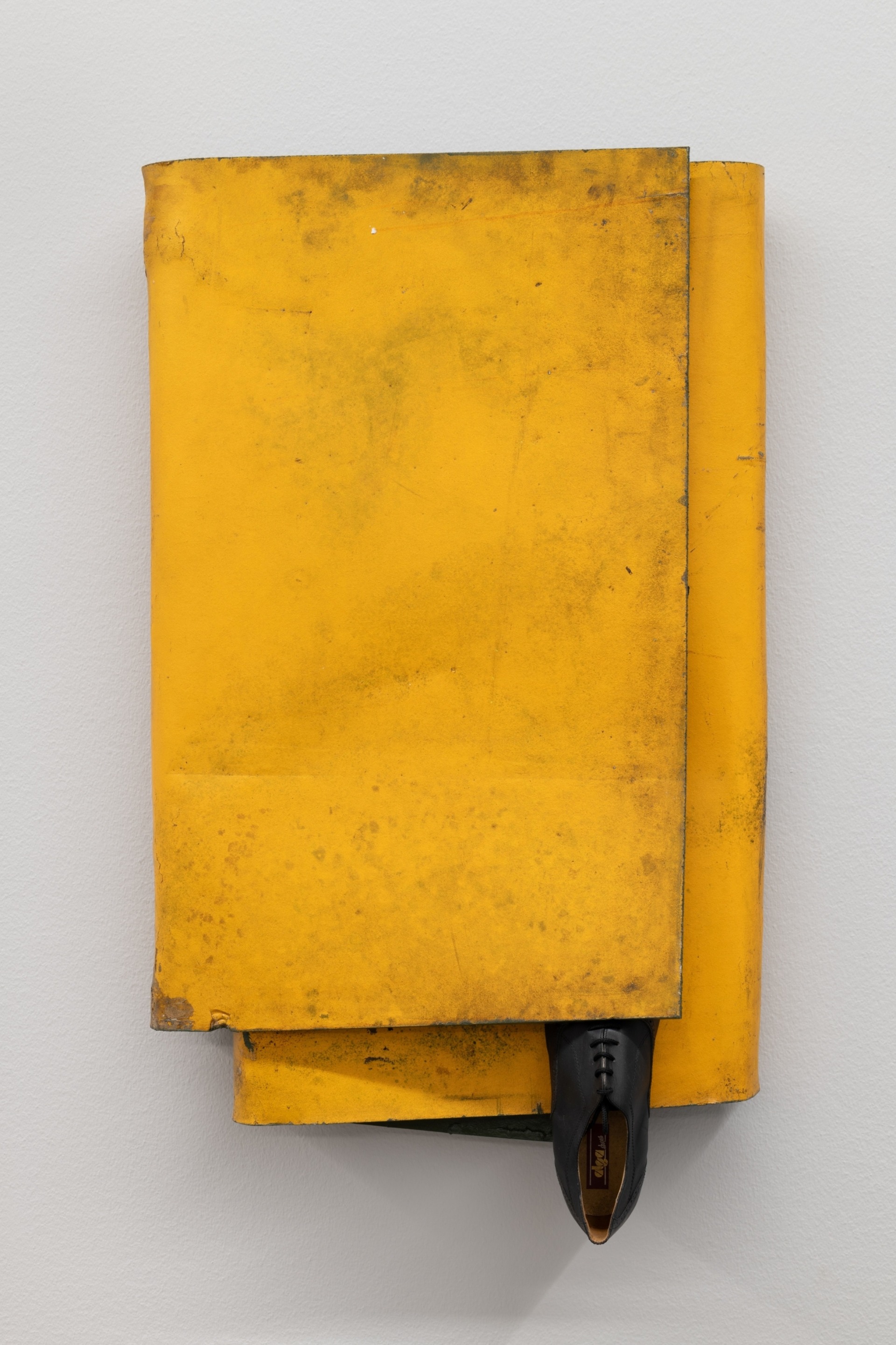
Sem pisar o chão , 2024
Acrylic paint on rolled MDF, left shoe and plywood, 100 x 58 x 19 cm
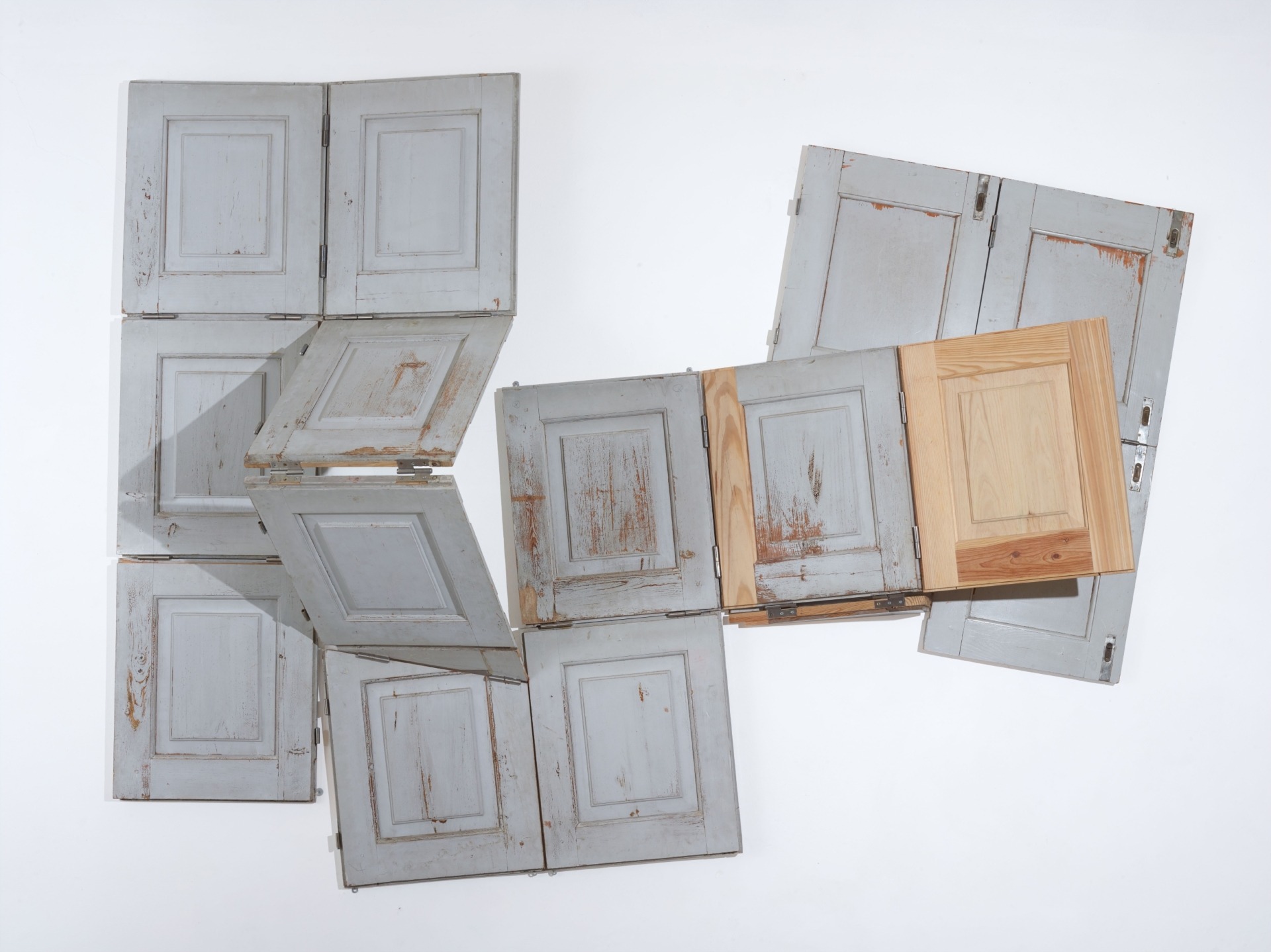
Para não ficarmos sujeitos a um exterior qualquer I, 2014
Altered wooden shutter from artist’s atelier, pine wood and hardware, 220 x 260 x 55 cm
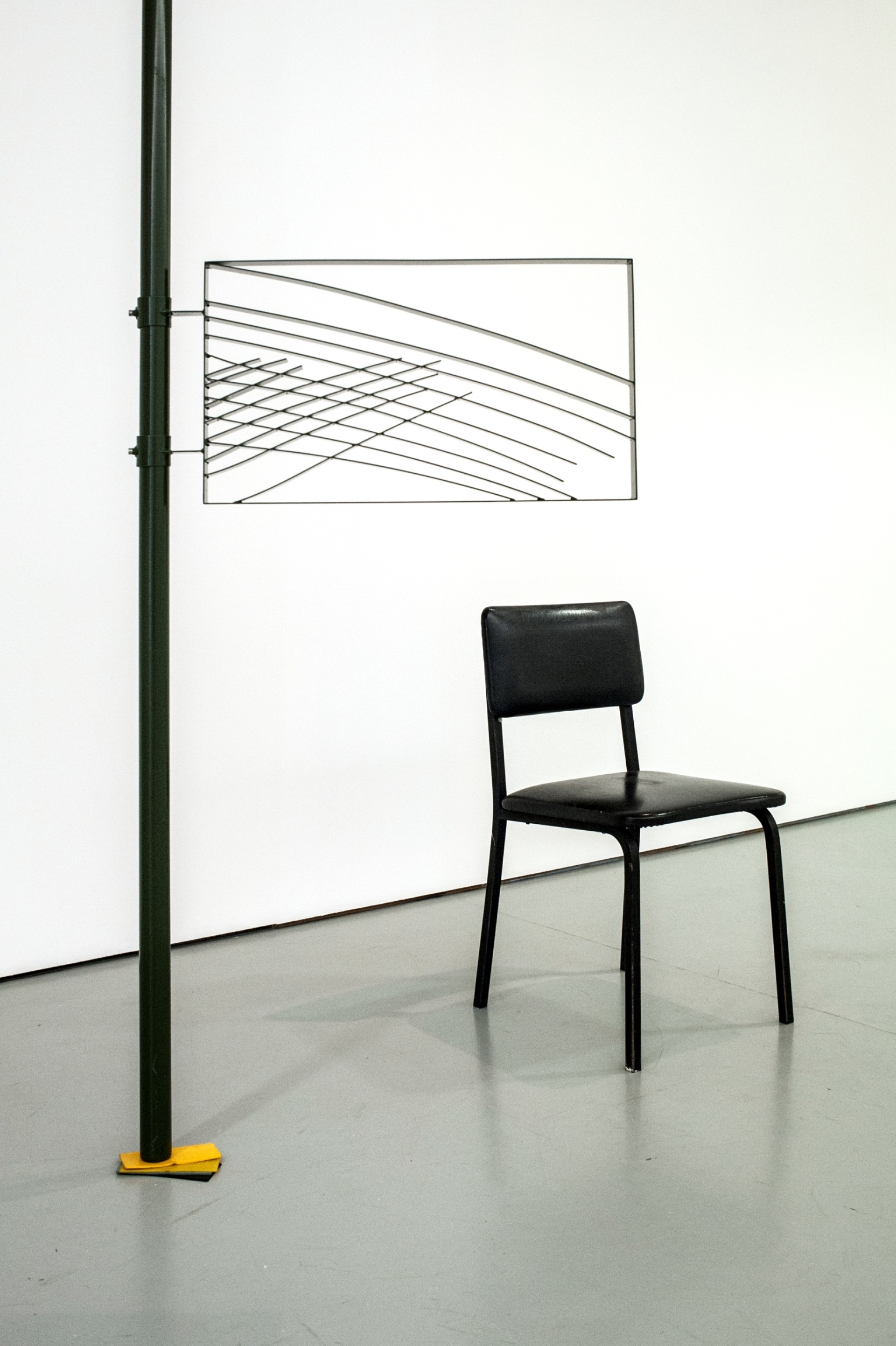
Prefiro as linhas tortas I, 2017
Lacquered iron, rubber and graphite on a medium isometric notebook, 300 x 80 x 5 cm
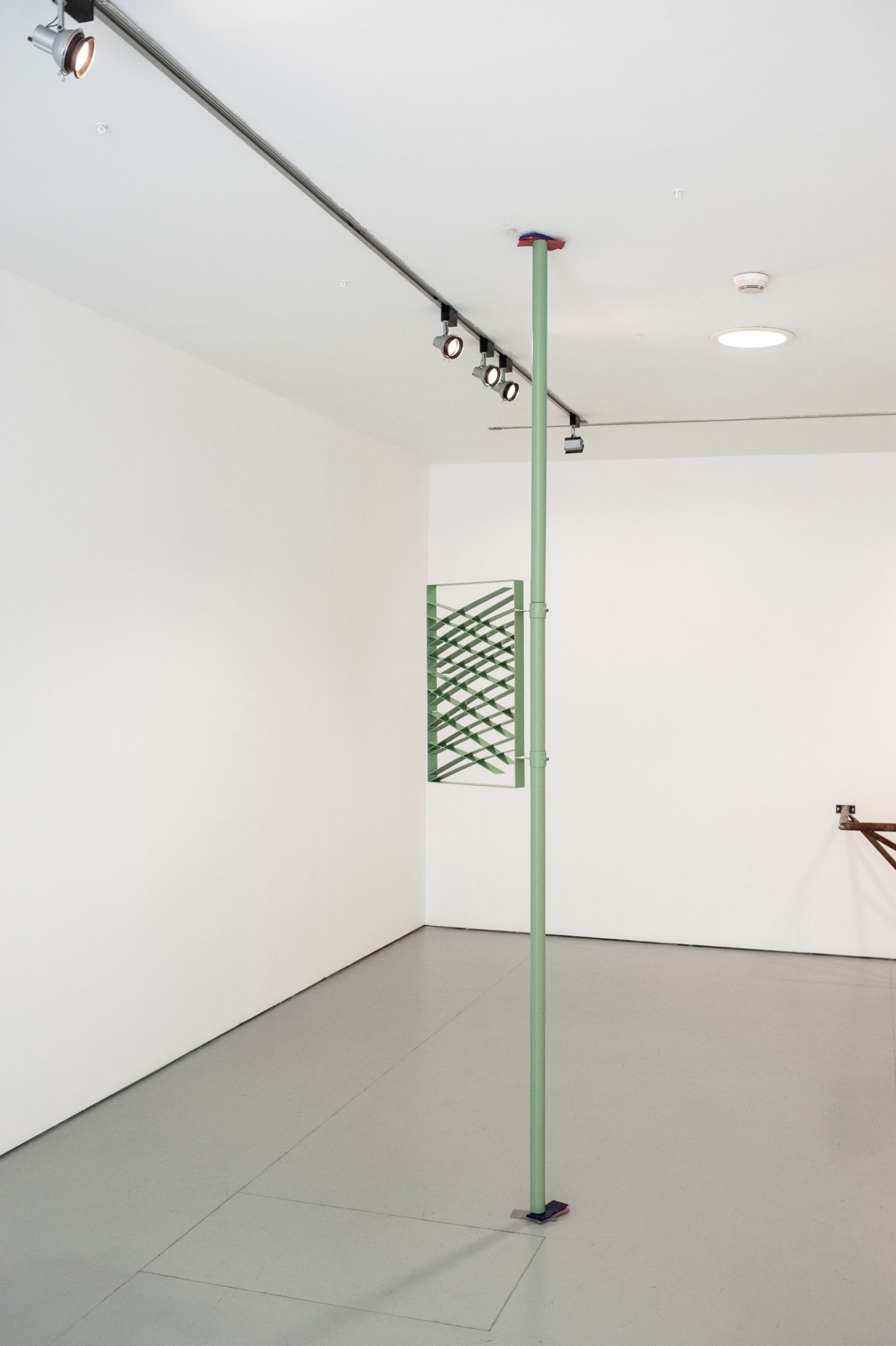
Prefiro as linhas tortas II, 2017
Lacquered iron, rubber and graphite on a medium isometric notebook, 300 x 80 x 5 cm
Nuno Sousa Vieira’s (1971, Leiria, Portugal) work has been developed in close articulation with the former plastics factory SIMALA, where he established his studio between 2001 and 2021. His sculptures, composed of a vast array of industrial materials, architectural elements, and neglected furniture, result from a process of translating the workspace into work material, and later into work subject.
Tiago Baptista
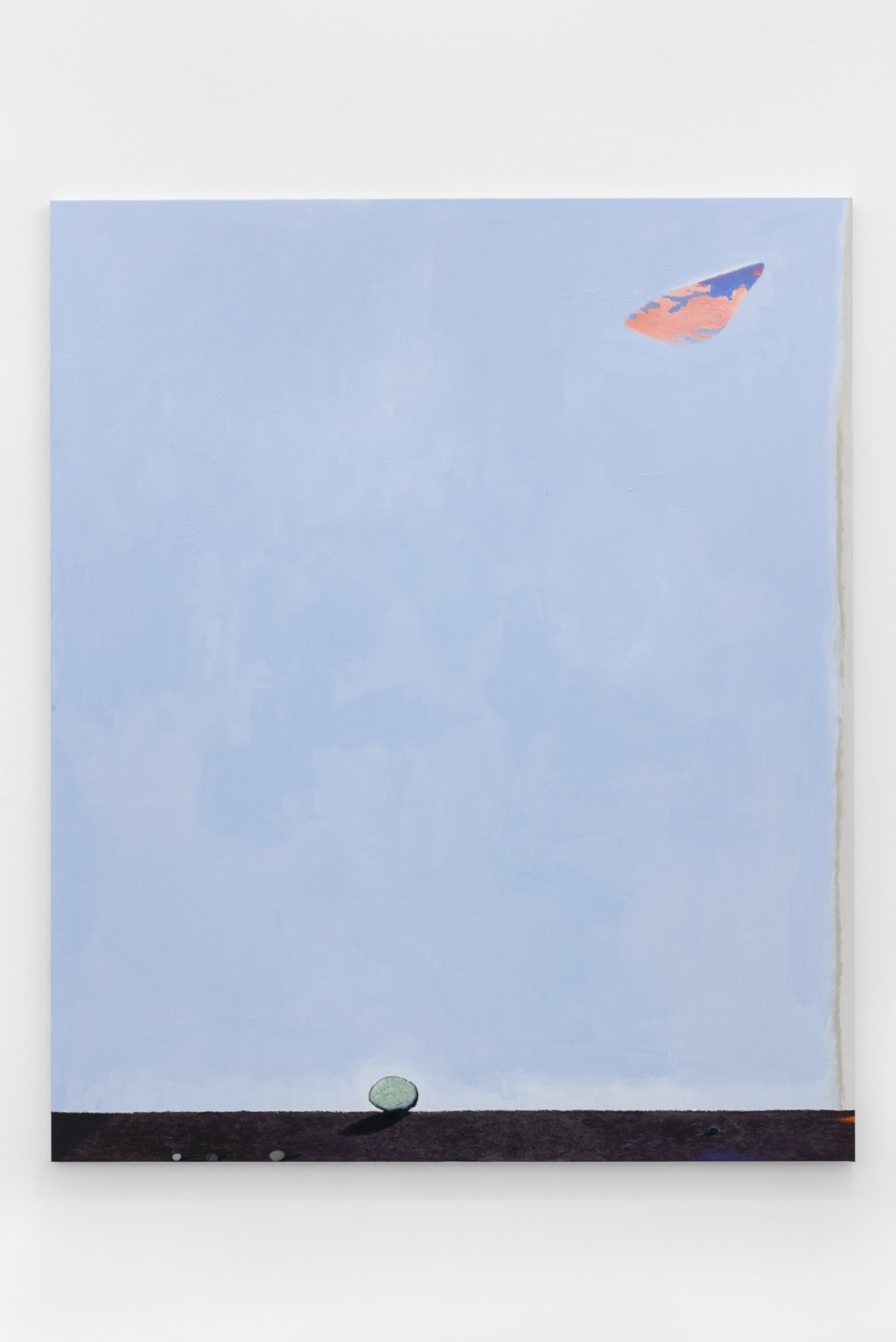
The lonely fossile, 2025
Oil on canvas, 190 x 158 cm

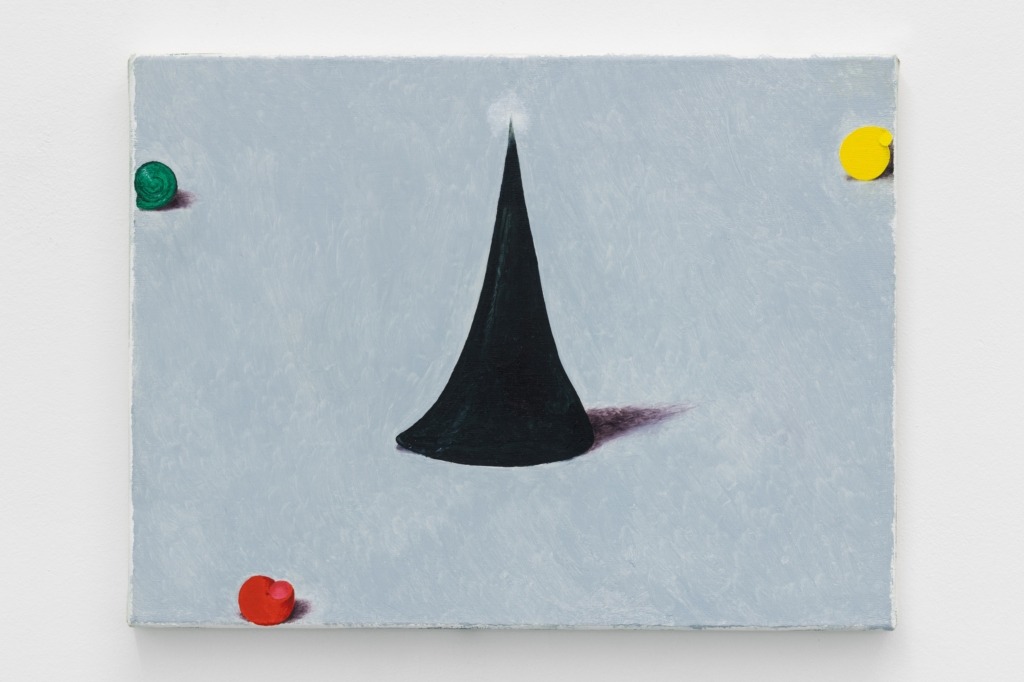
Untitled, 2024
Oil on canvas, 30 x 40 cm

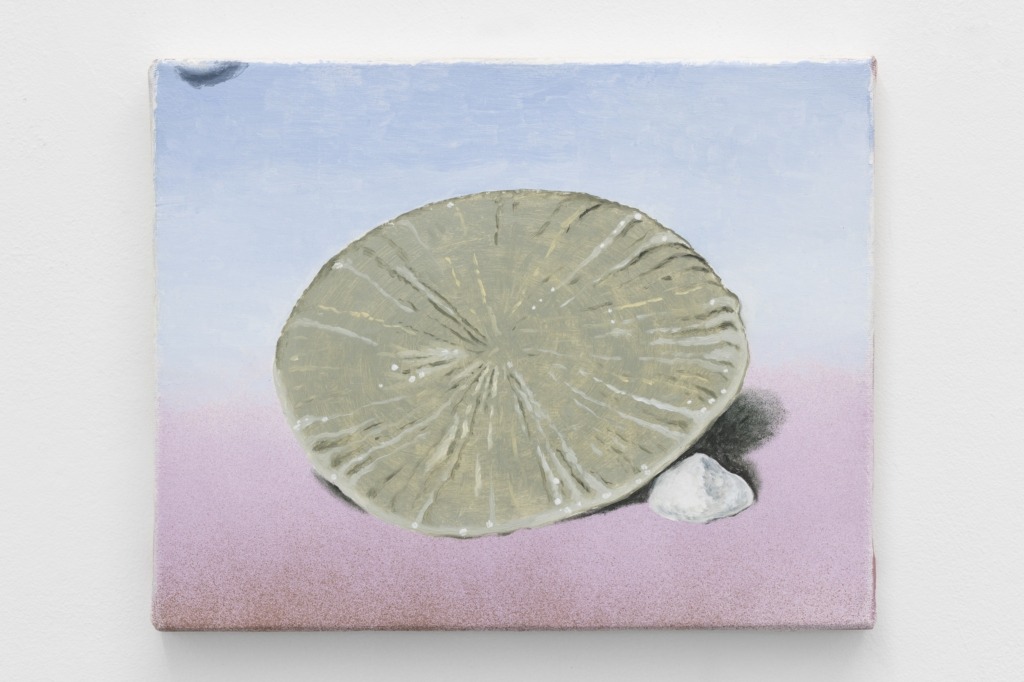
Tiago Baptista
Fungus Fossile, 2025
Óleo, spray e esmalte sobre tela | Oil, spray paint and enamel on canvas, 24 x 30 cm

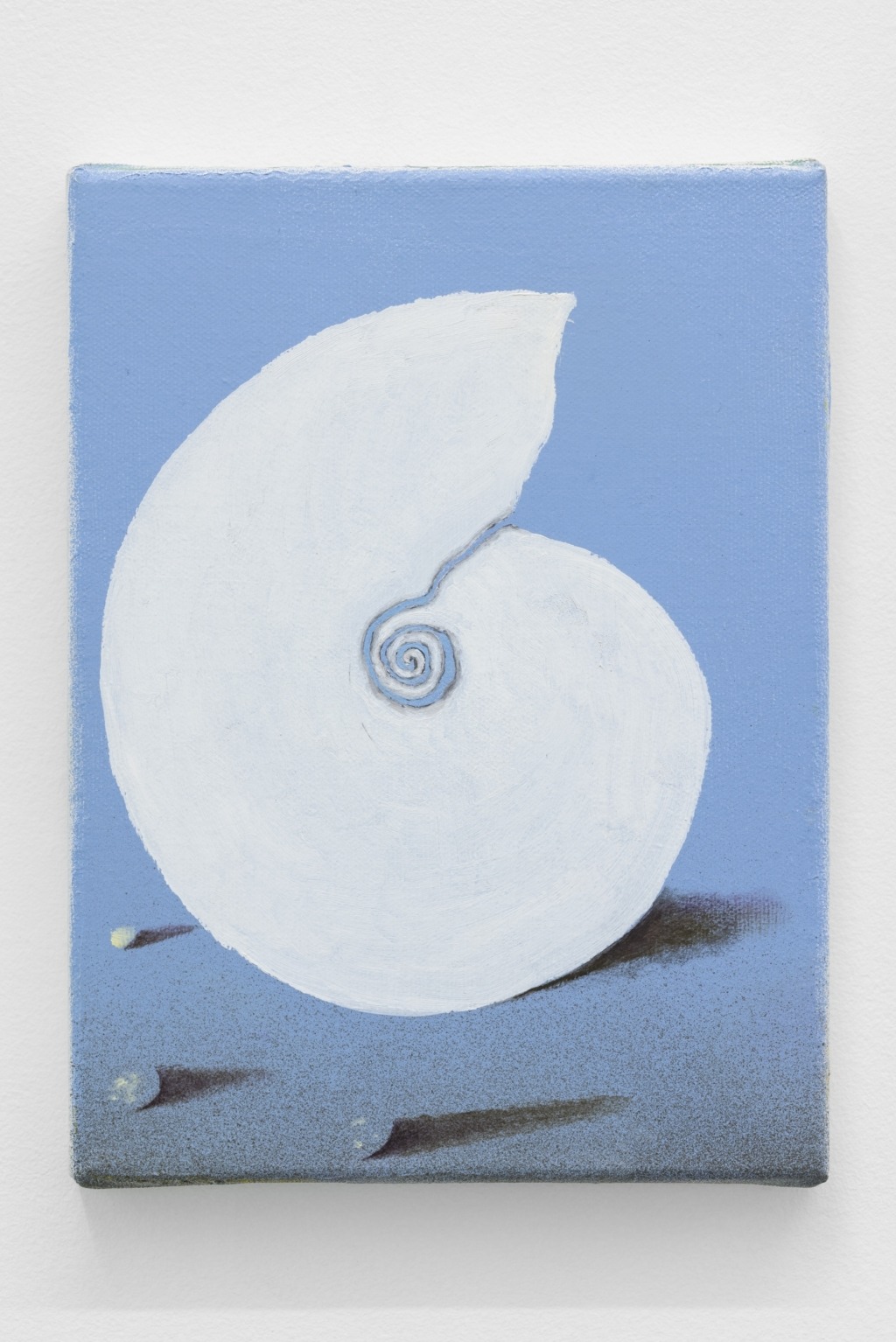
Ocaso Pristíno, 2024
Oil and spray paint on canvas, 24 x 18 cm

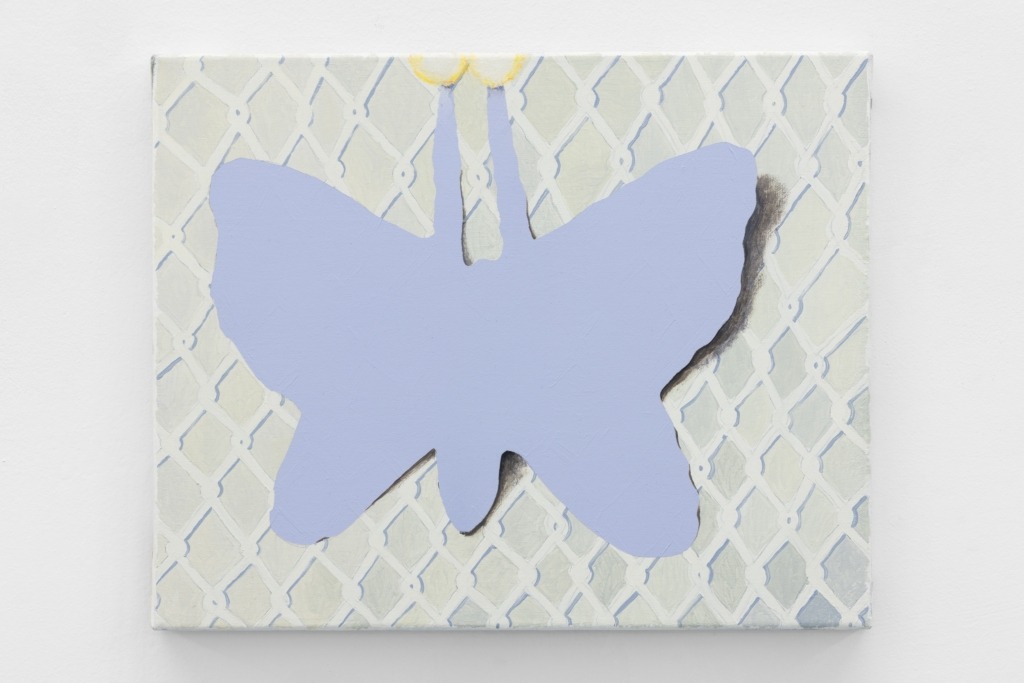
Voo luminoso sobre malha, 2023
Oil on canvas, 33 x 41 cm

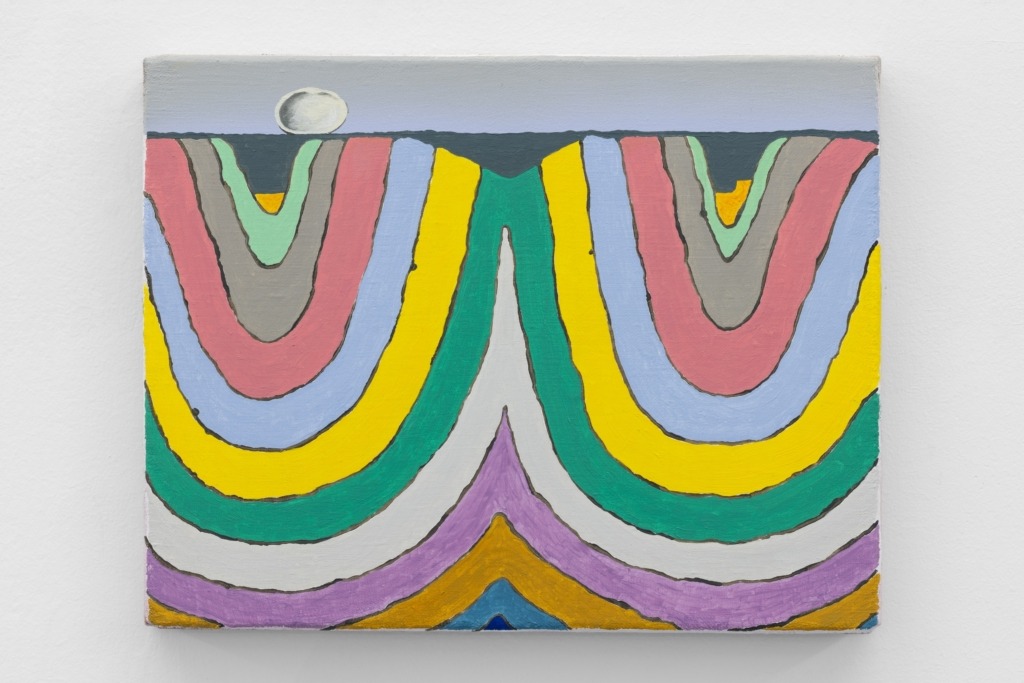
O arco-íris debaixo de terra, 2023
Oil and acrylic spray on canvas, 24.5 x 30.5 cm

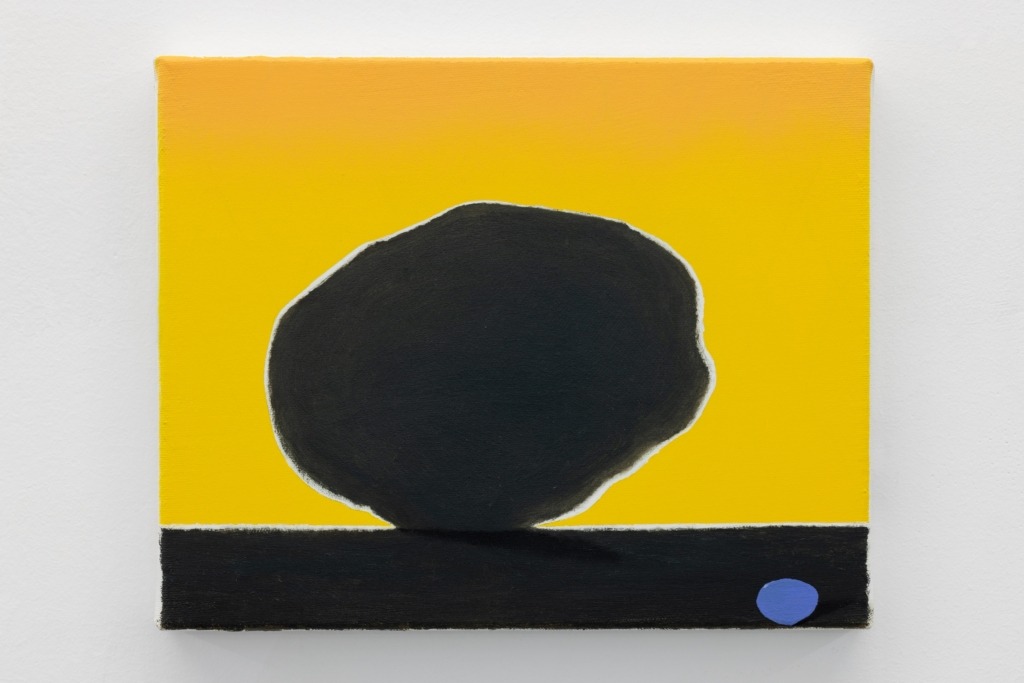
Untitled (Pirite debaixo do sol), 2023
Oil and acrylic spray on canvas, 24 x 30 cm

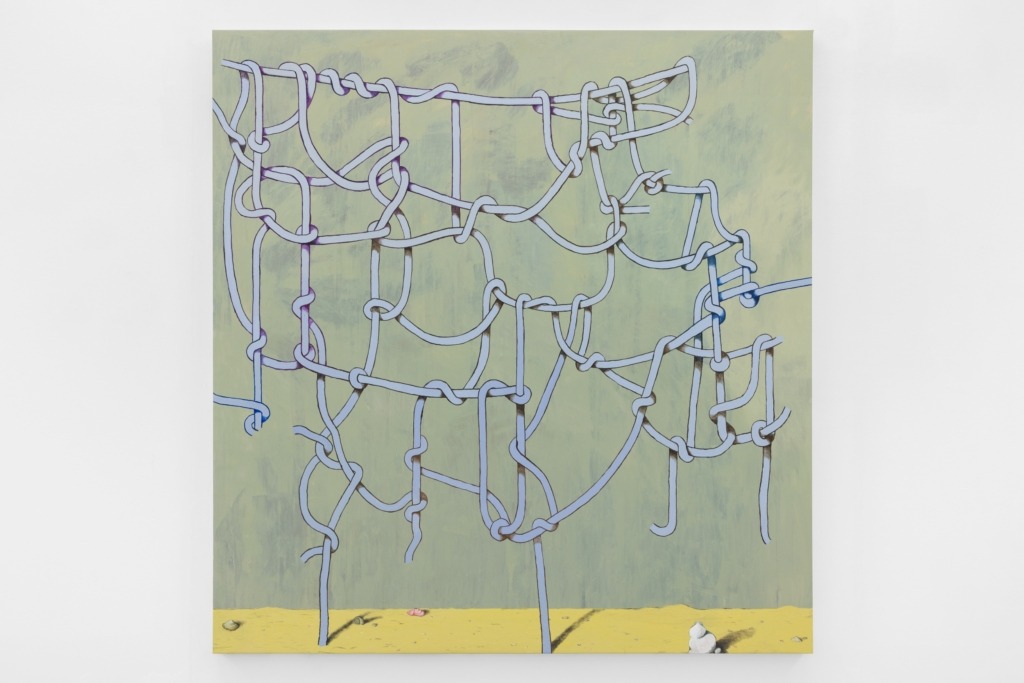
A conversa enredada das conchas, 2023
Oil on canvas, 178 x 172 cm

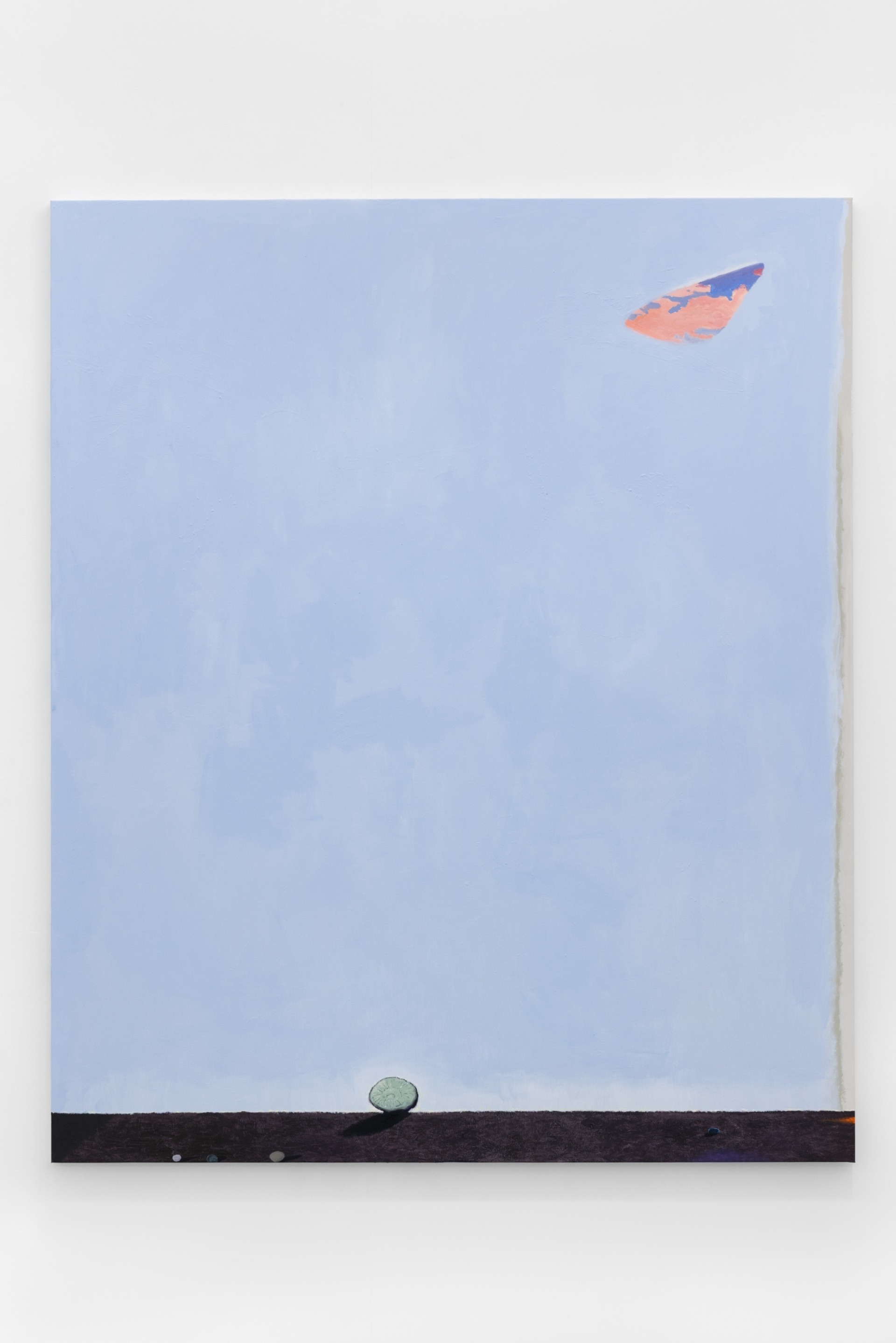
The lonely fossile, 2025
Oil on canvas, 190 x 158 cm
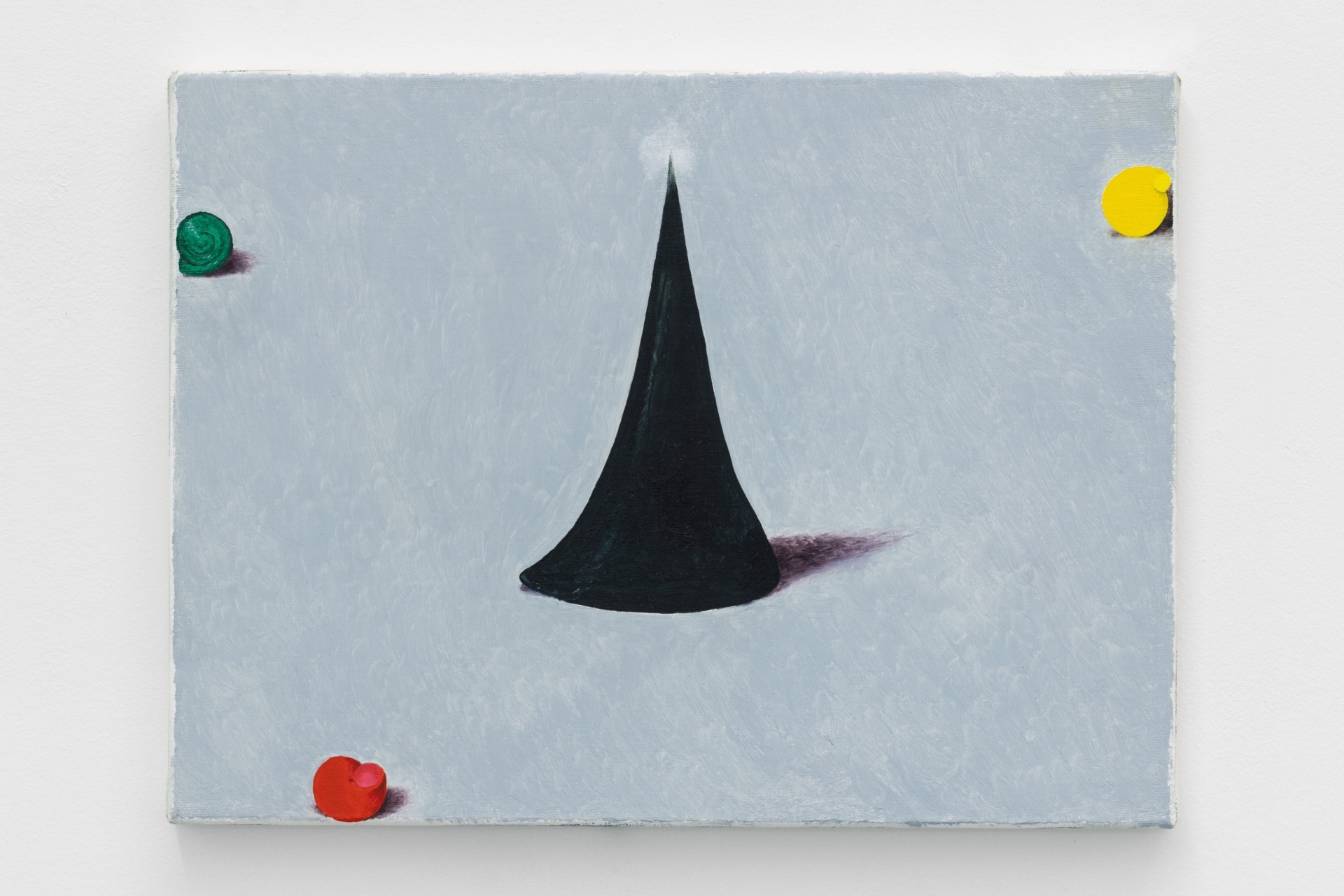
Untitled, 2024
Oil on canvas, 30 x 40 cm
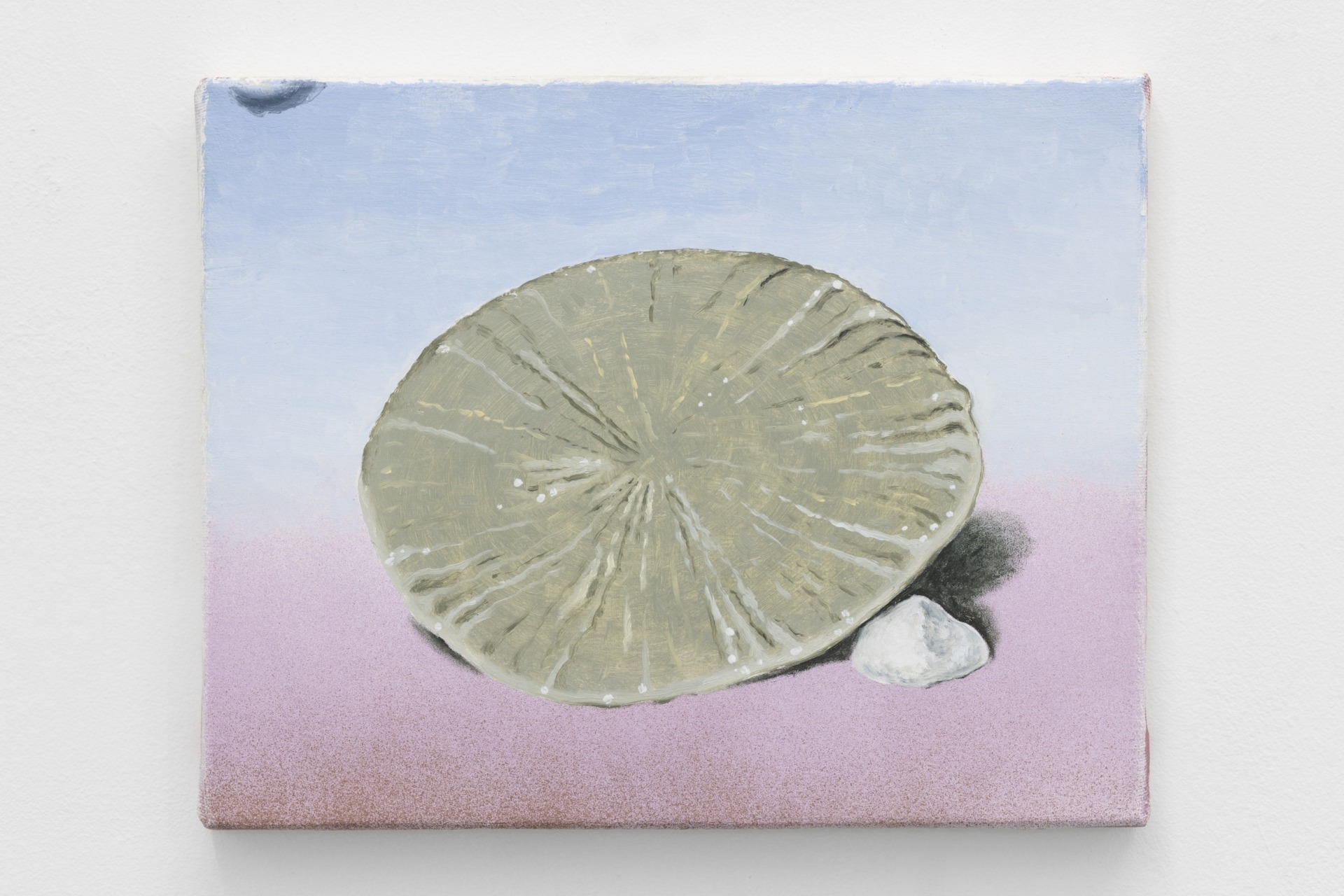
Tiago Baptista
Fungus Fossile, 2025
Óleo, spray e esmalte sobre tela | Oil, spray paint and enamel on canvas, 24 x 30 cm
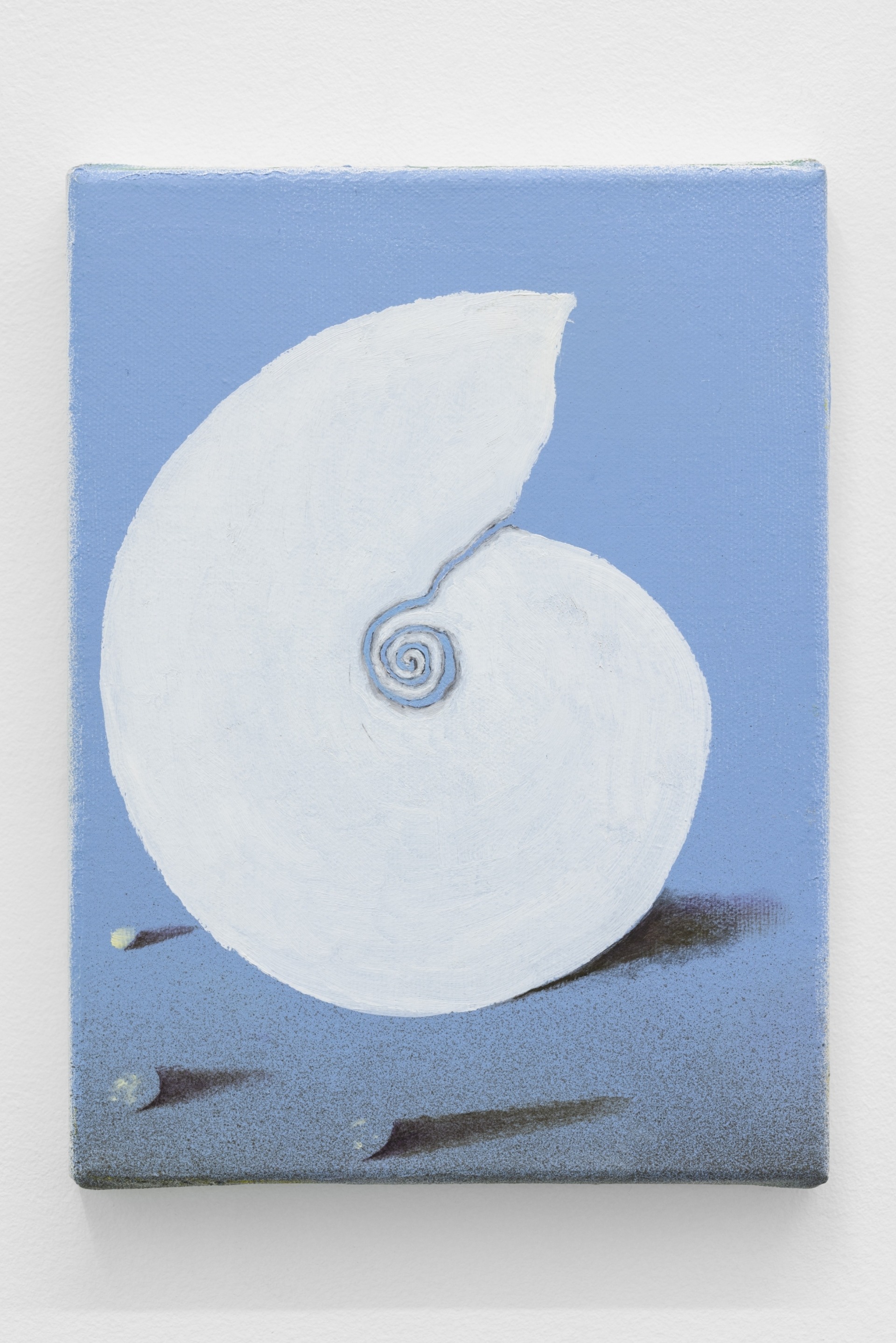
Ocaso Pristíno, 2024
Oil and spray paint on canvas, 24 x 18 cm
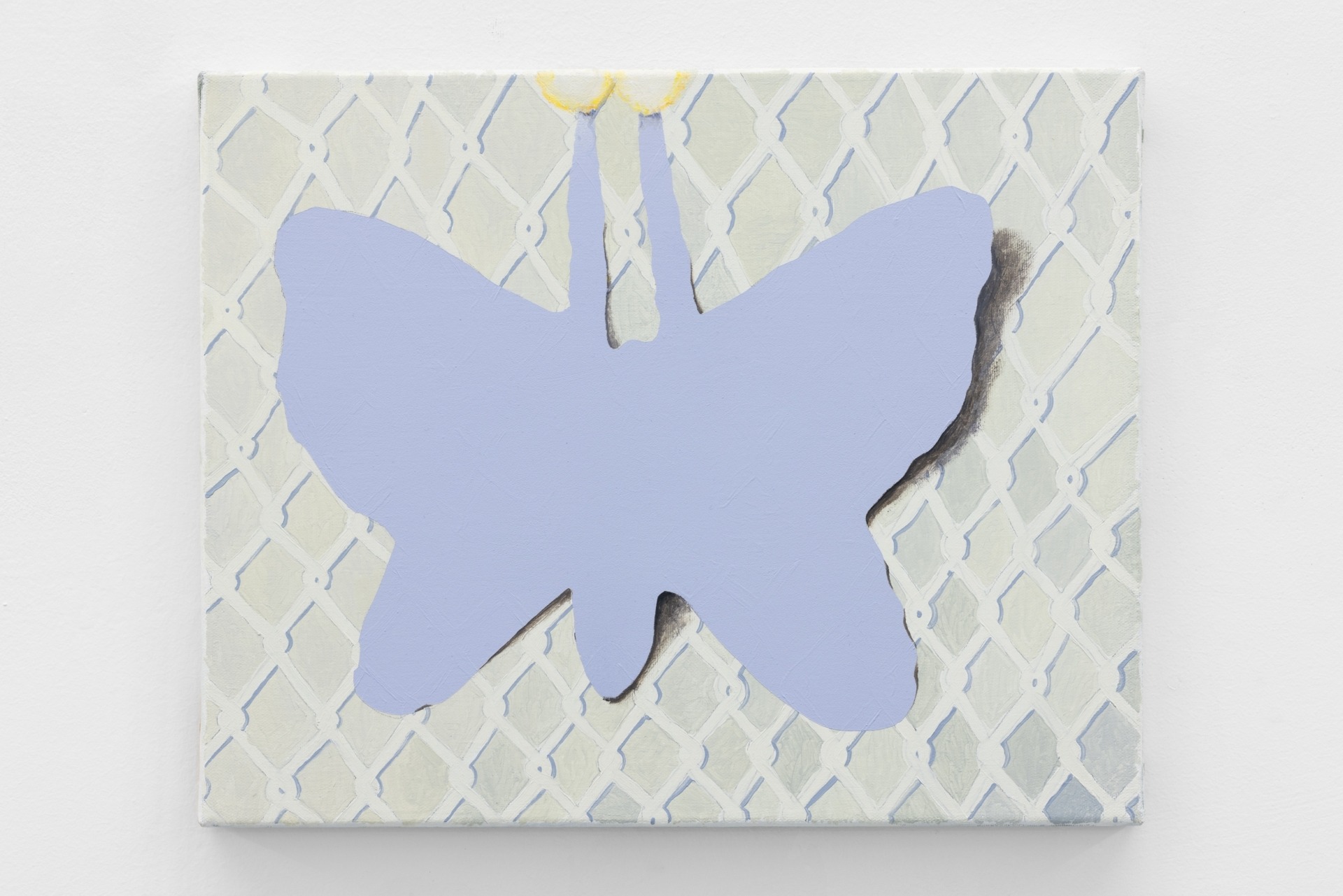
Voo luminoso sobre malha, 2023
Oil on canvas, 33 x 41 cm
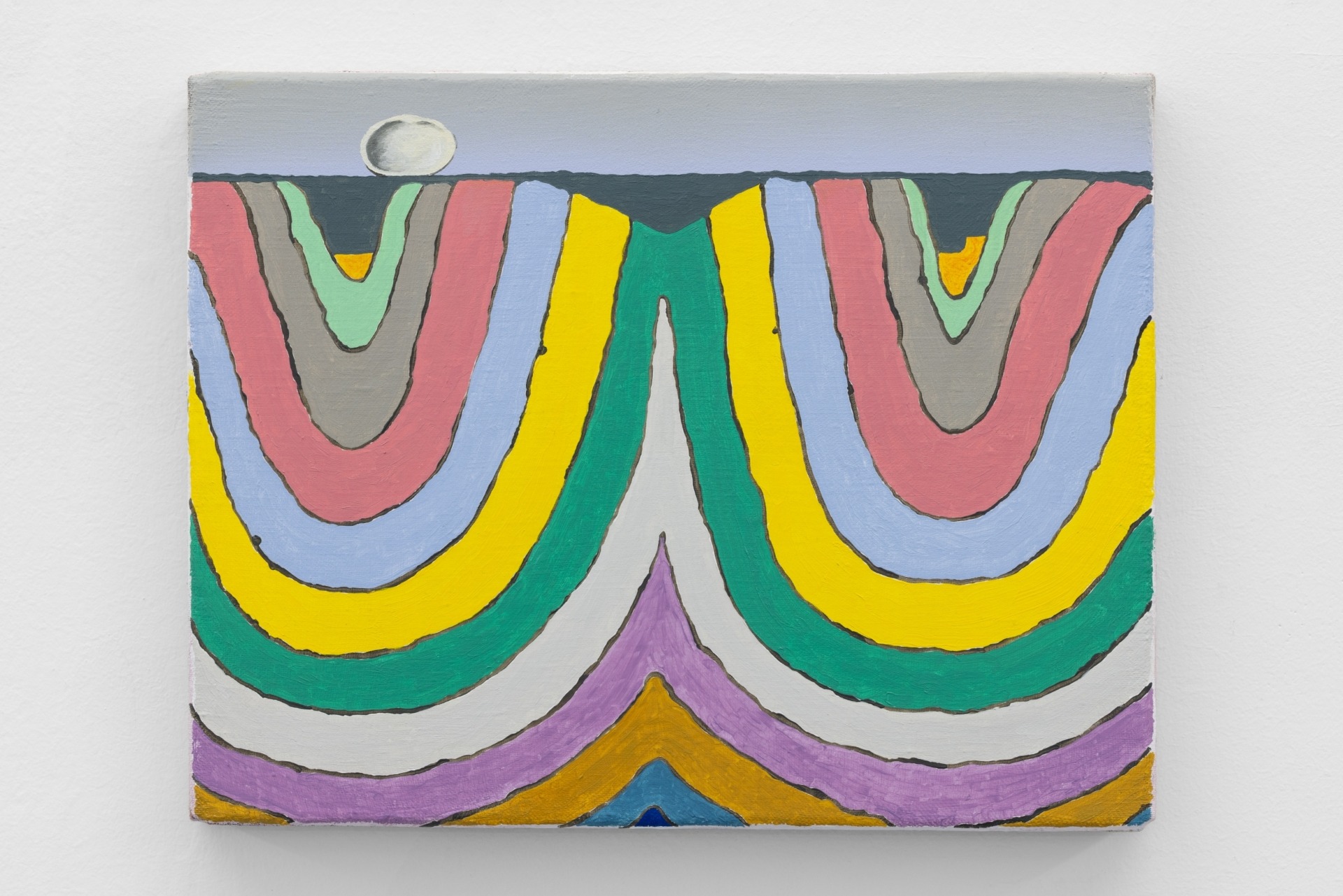
O arco-íris debaixo de terra, 2023
Oil and acrylic spray on canvas, 24.5 x 30.5 cm
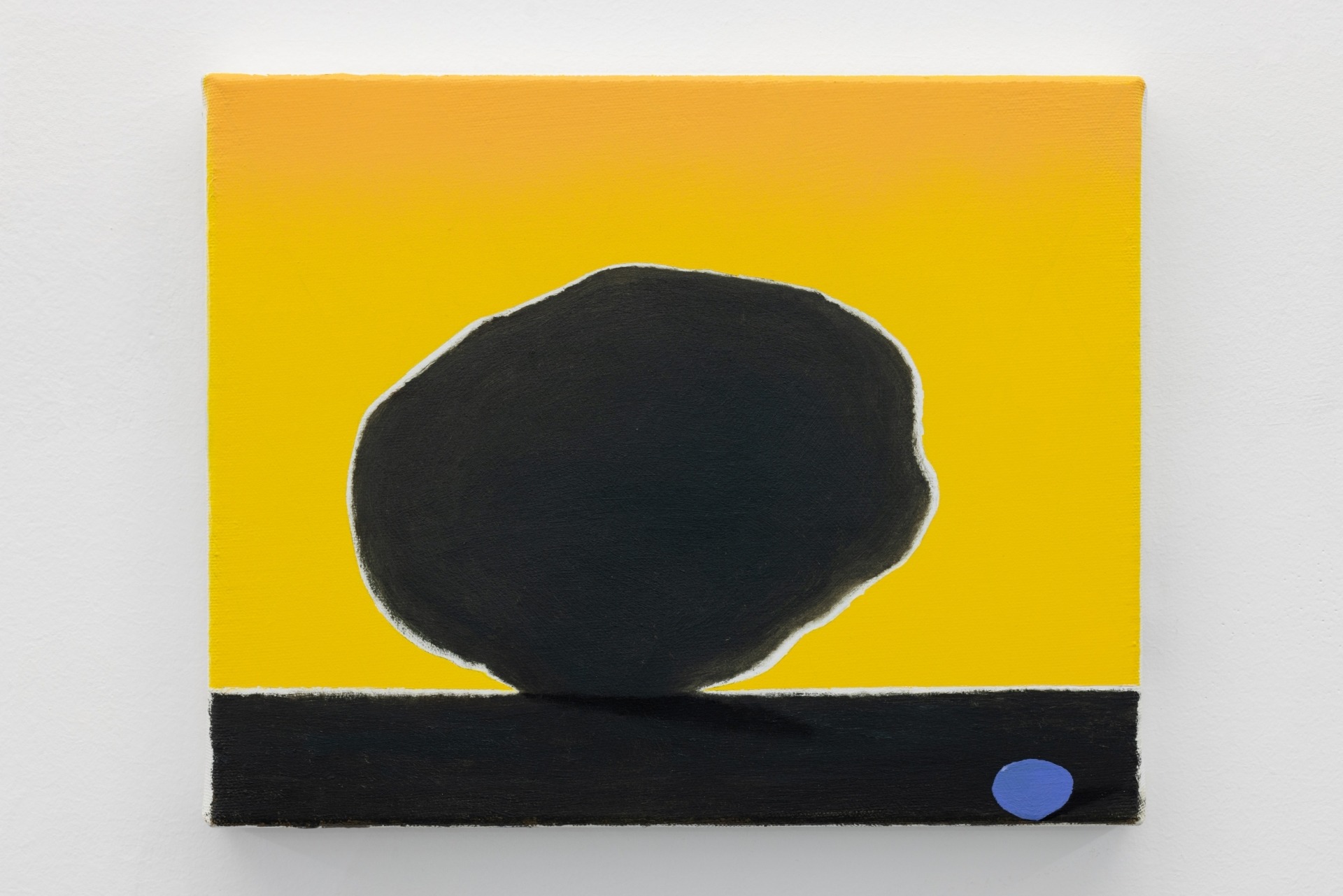
Untitled (Pirite debaixo do sol), 2023
Oil and acrylic spray on canvas, 24 x 30 cm
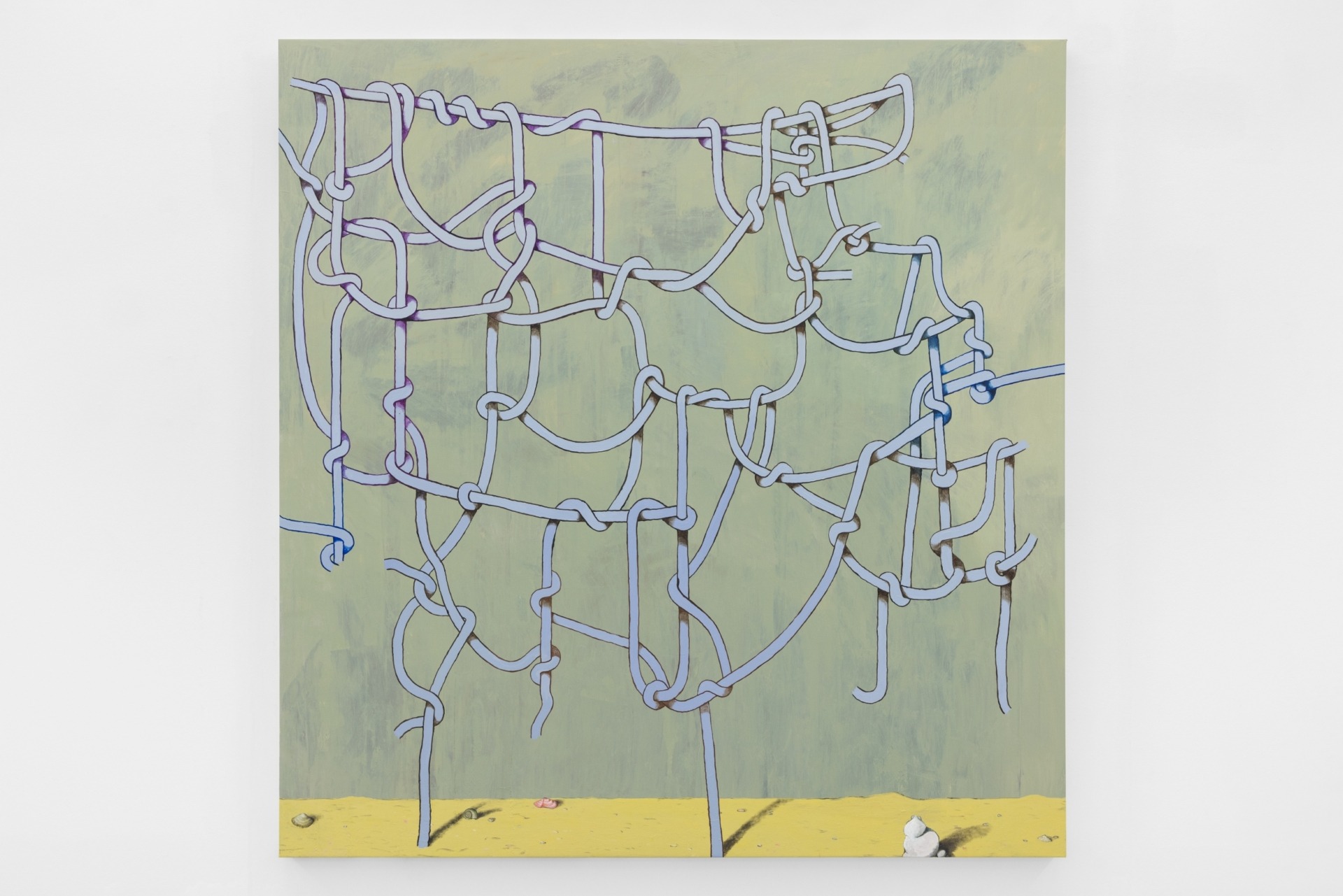
A conversa enredada das conchas, 2023
Oil on canvas, 178 x 172 cm
Tiago Baptista’s (Leiria, 1986) painting is “At first glance (…) like a sequence of landscapes that confront us with images with a powerful cinematographic component, in the sense that each painting is like a moment in a narrative within the spectrum of other narratives.” (João Silvério, 2017).