Art Brussels 2025
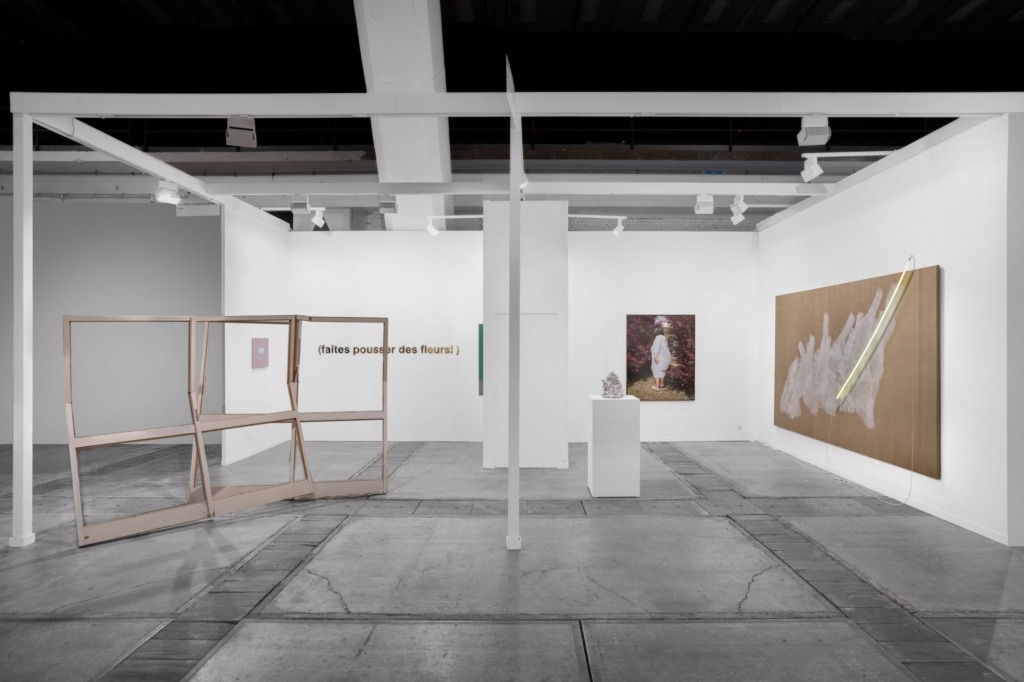
Stand 5A-27 view. Photo: Nicola Morittu
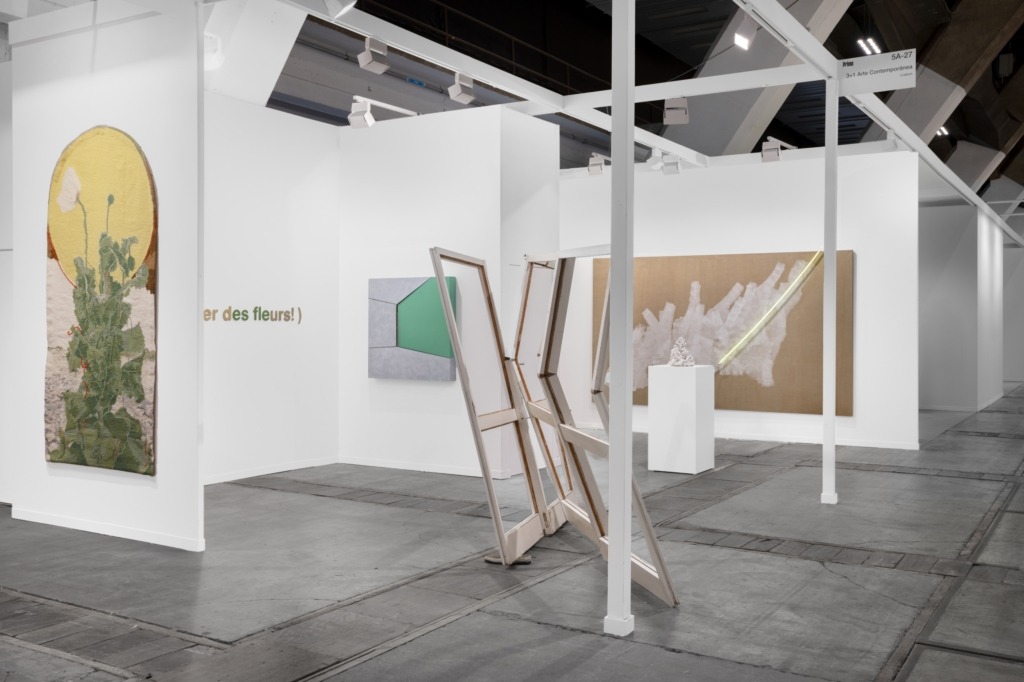
Stand 5A-27 view. Photo: Nicola Morittu
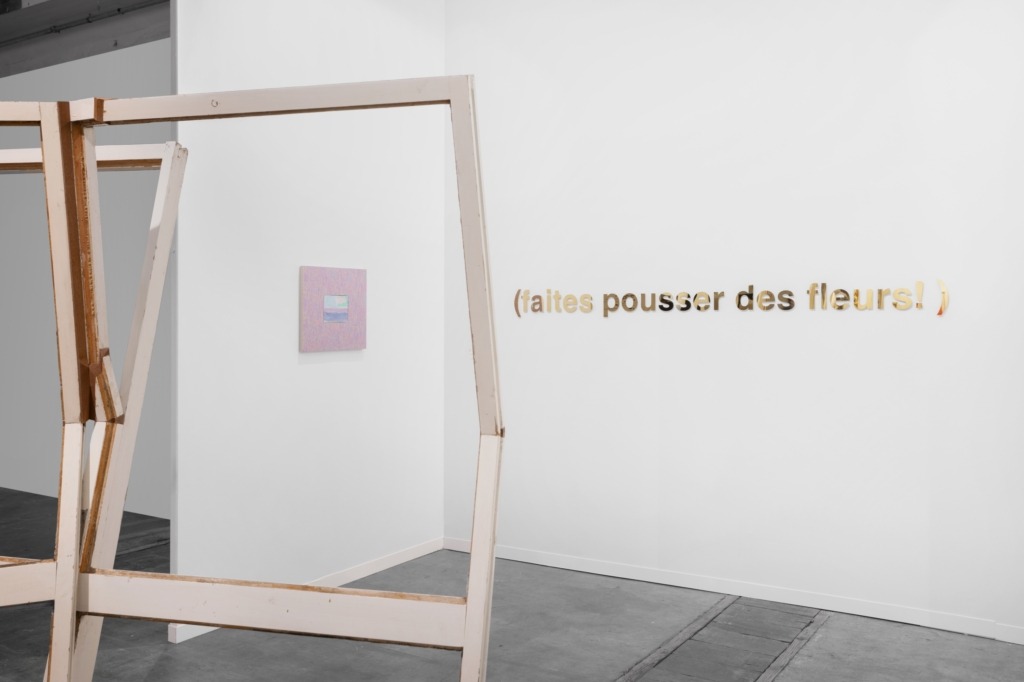
Stand 5A-27 view. Photo: Nicola Morritu
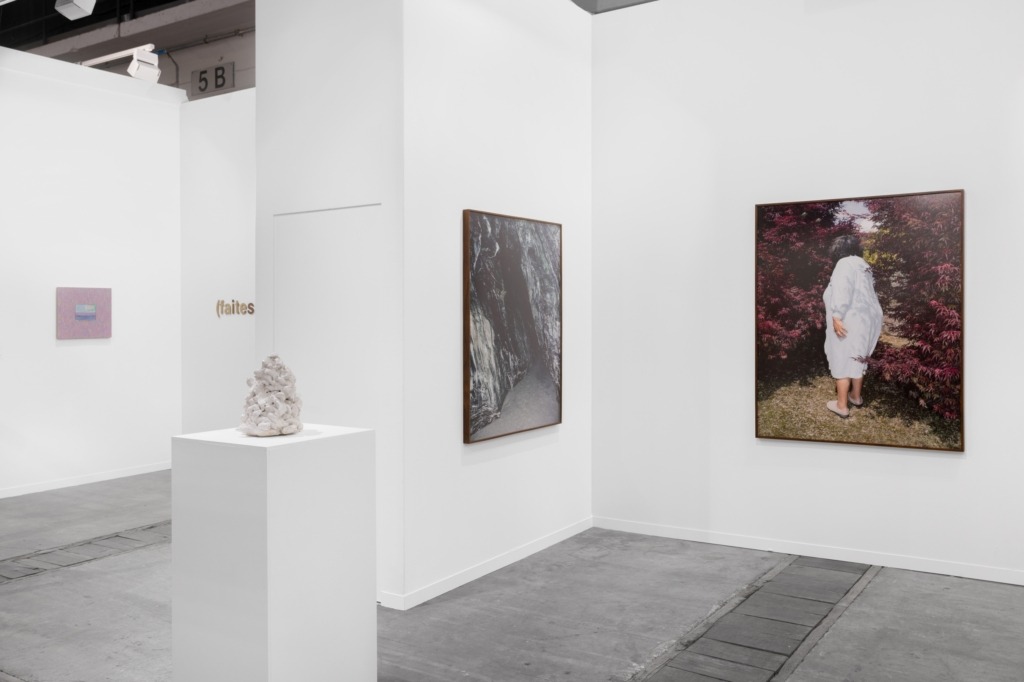
Stand 5A-27 view. Photo: Nicola Morittu
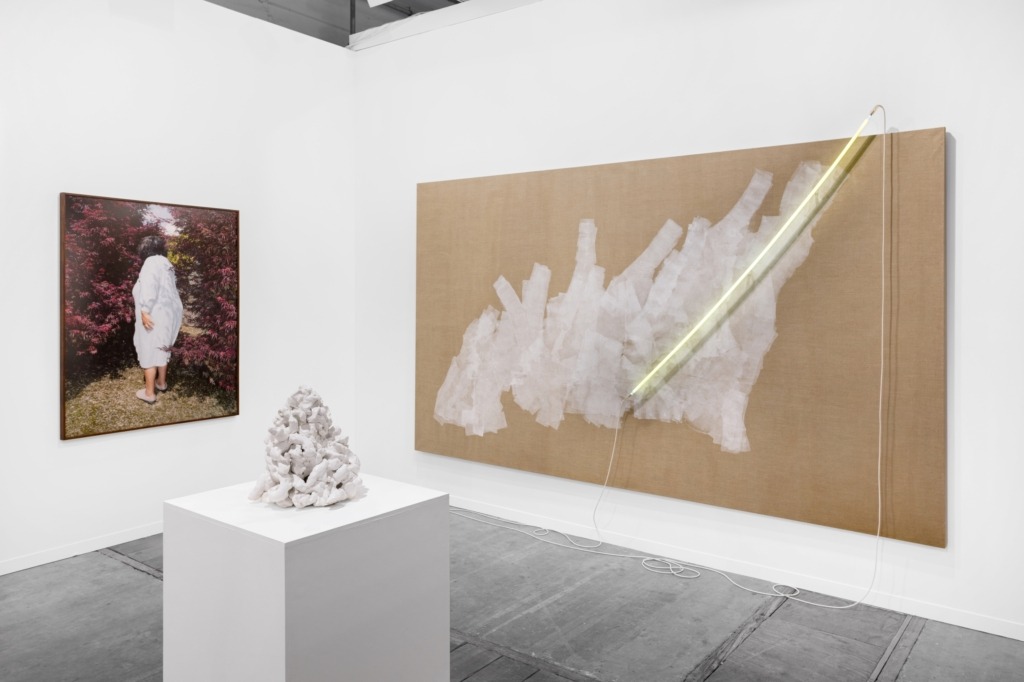
Stand 5A-27 view. Photo: Nicola Morittu
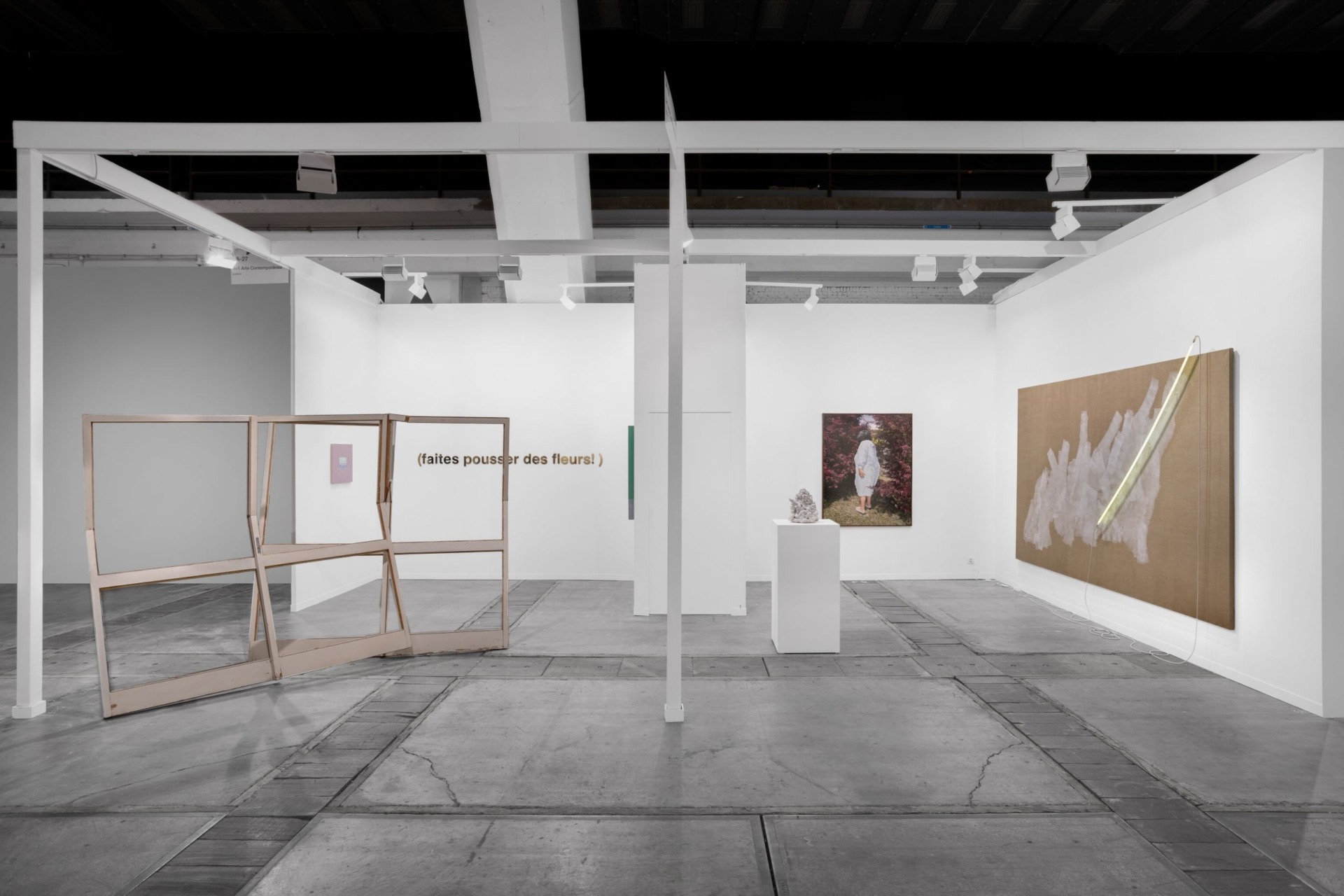
Stand 5A-27 view. Photo: Nicola Morittu
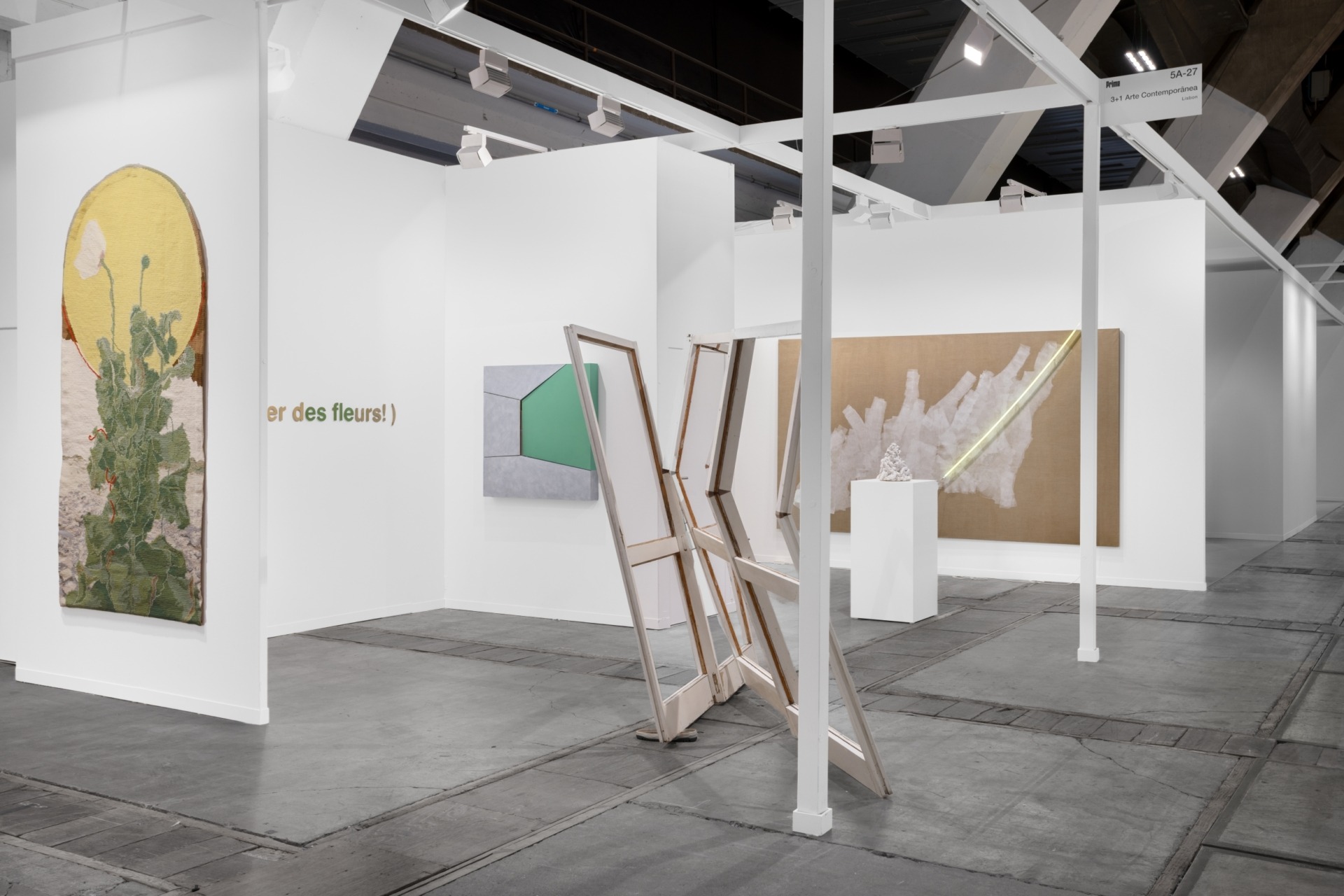
Stand 5A-27 view. Photo: Nicola Morittu
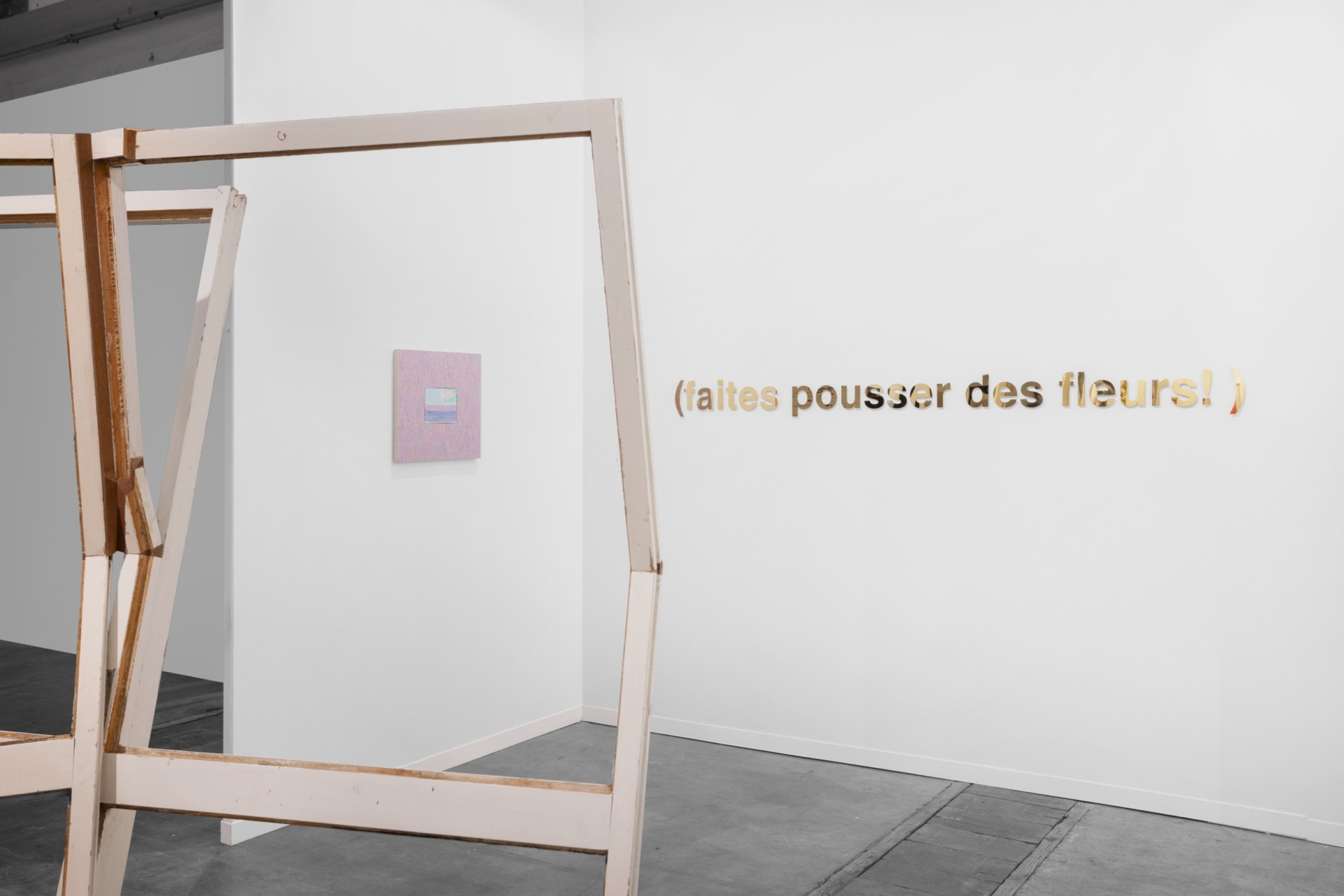
Stand 5A-27 view. Photo: Nicola Morritu
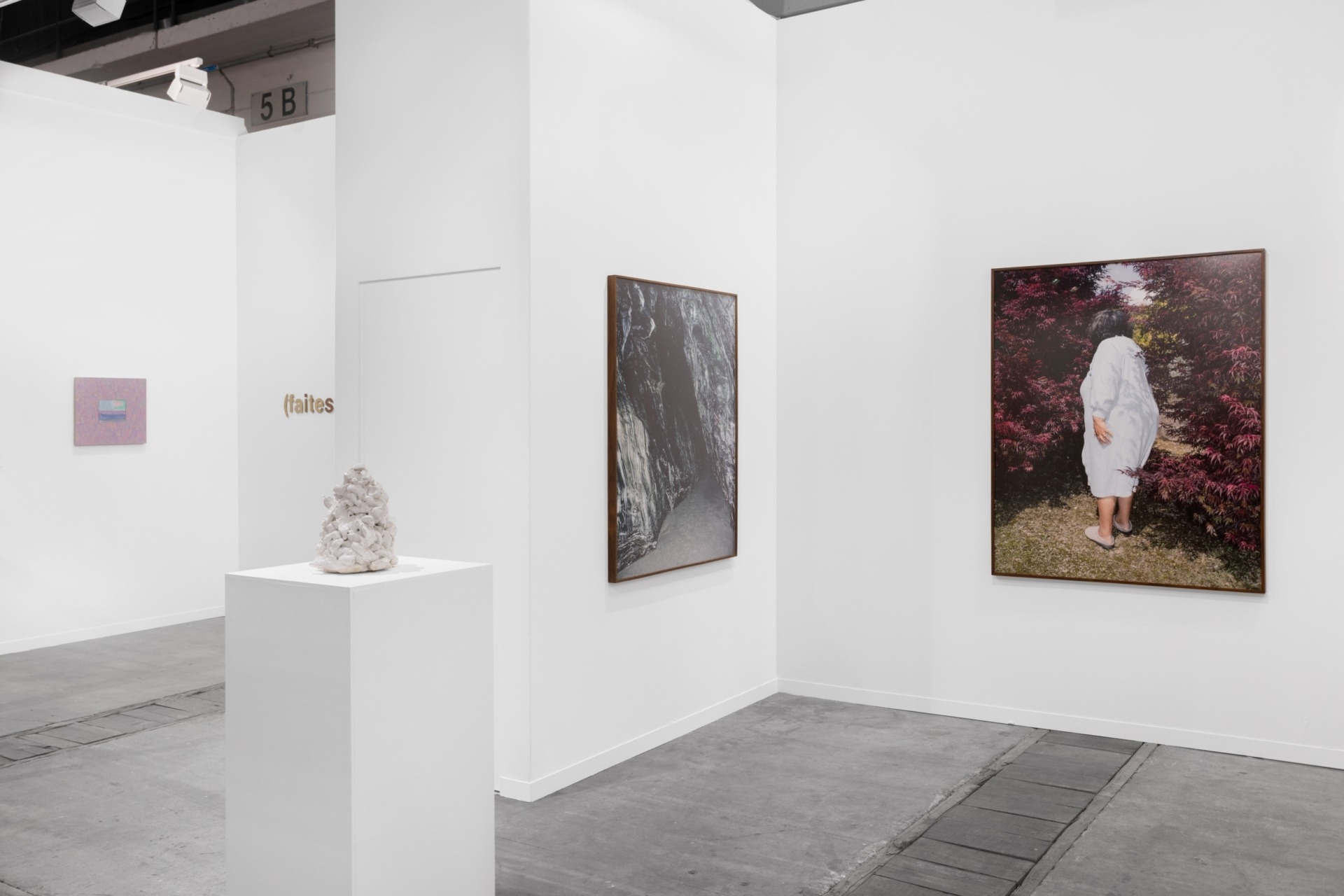
Stand 5A-27 view. Photo: Nicola Morittu
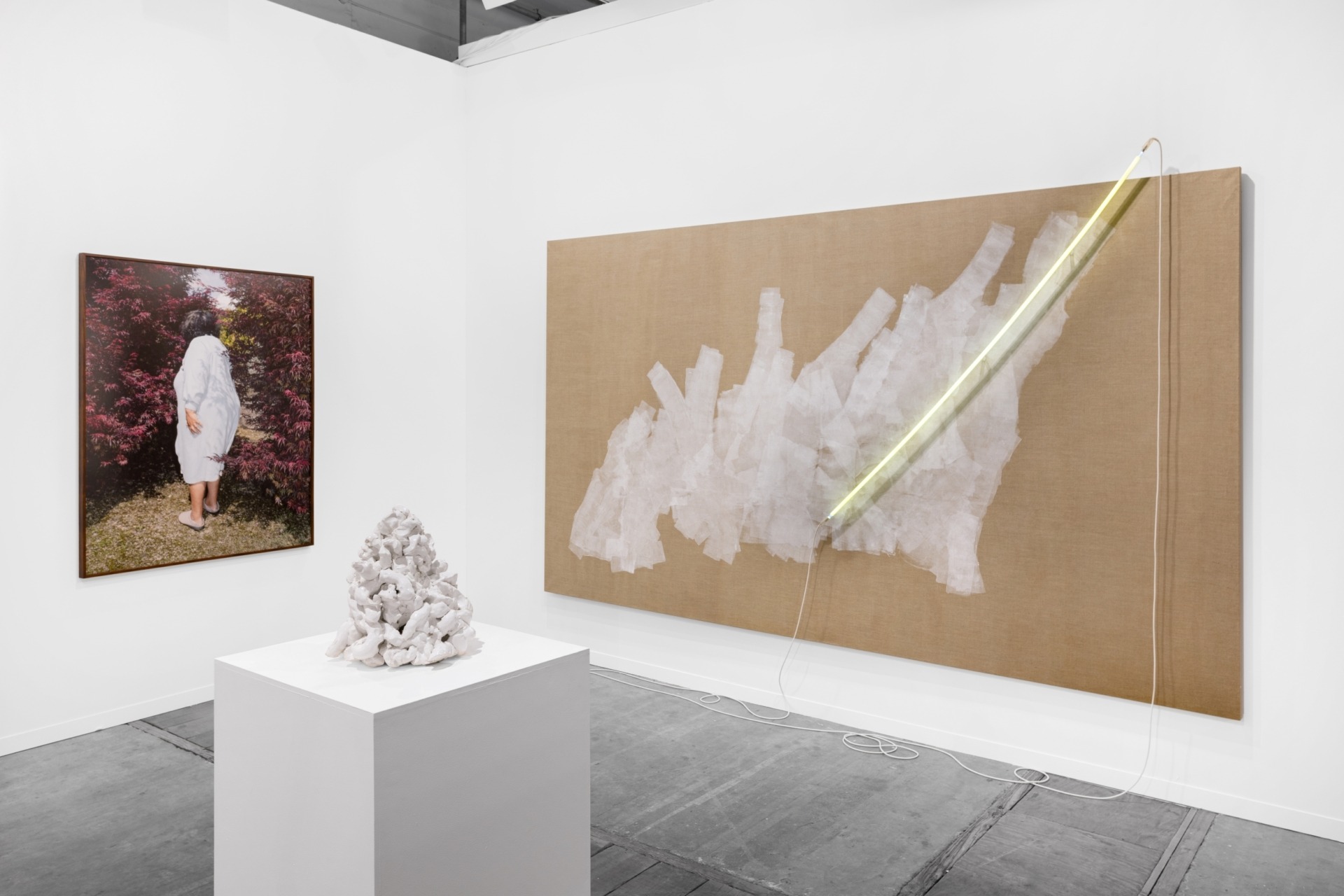
Stand 5A-27 view. Photo: Nicola Morittu
Under the umbrella of “perspectives” we aim to present the practices of four artists from distinctively unique backgrounds, working with mediums ranging from painting, sculpture, photography, drawing and installation – Carlos Noronha Feio (1981, PT), Gabriela Machado (1960, BR), Tito Mouraz (1977, PT) and Nuno Sousa Vieira (1971, PT). The notion of perspectives is an ample one, which summons various connotations: art history’s canons, one’s actual physical point of view of a determined object or space, as well as their personal believes and experiences, and the need for social and political contexts to create meaningful conversations. As such, the word can be defined and interpreted in many different ways within this group of artists.
Carlos Noronha Feio
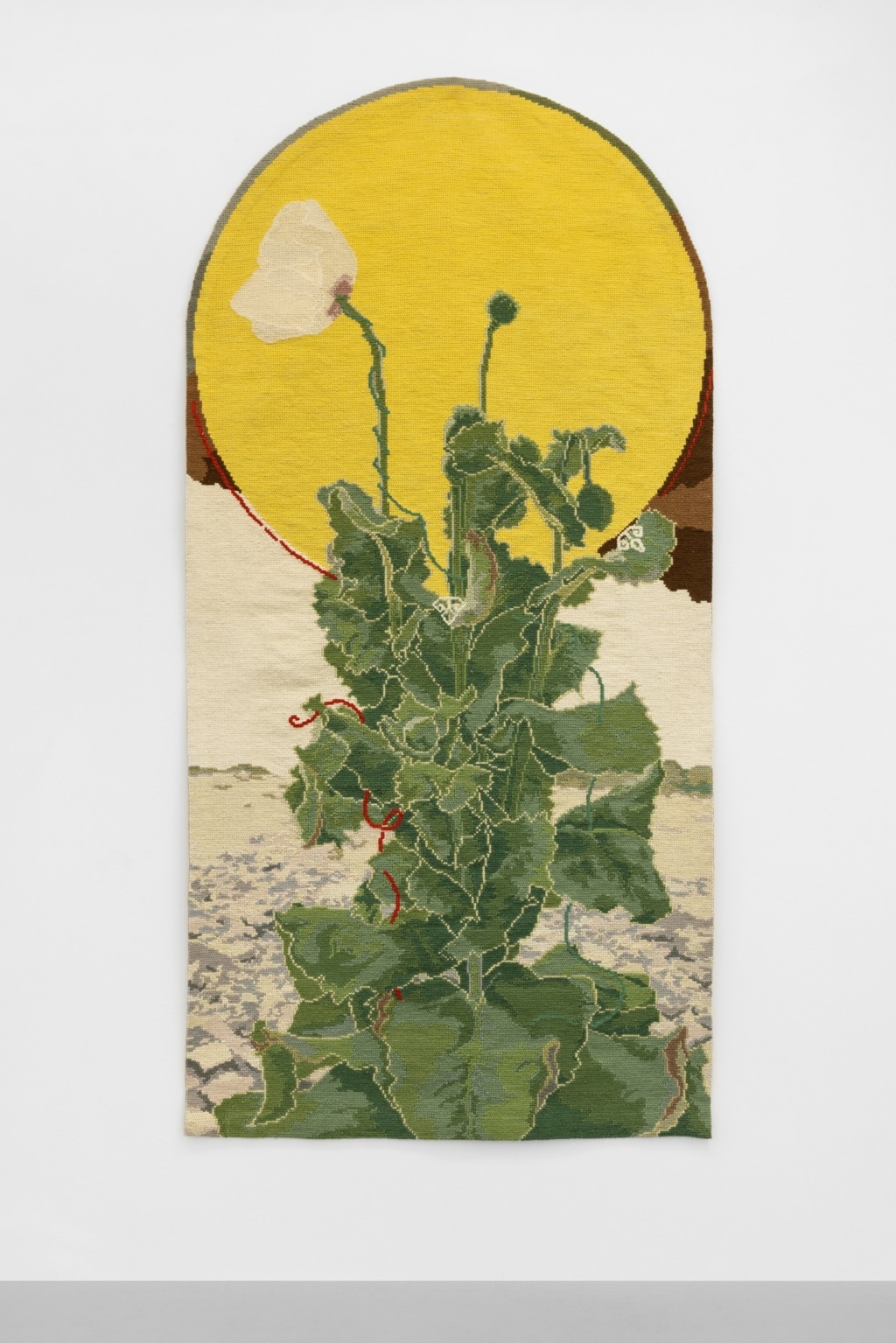
Carlos Noronha Feio
A restless beauty - Opium poppy of Adraga (fertility), 2024
Arraiolos rug technique, wool and jute, 240 x 118 cm, Ed. 2/3 + 2 AP

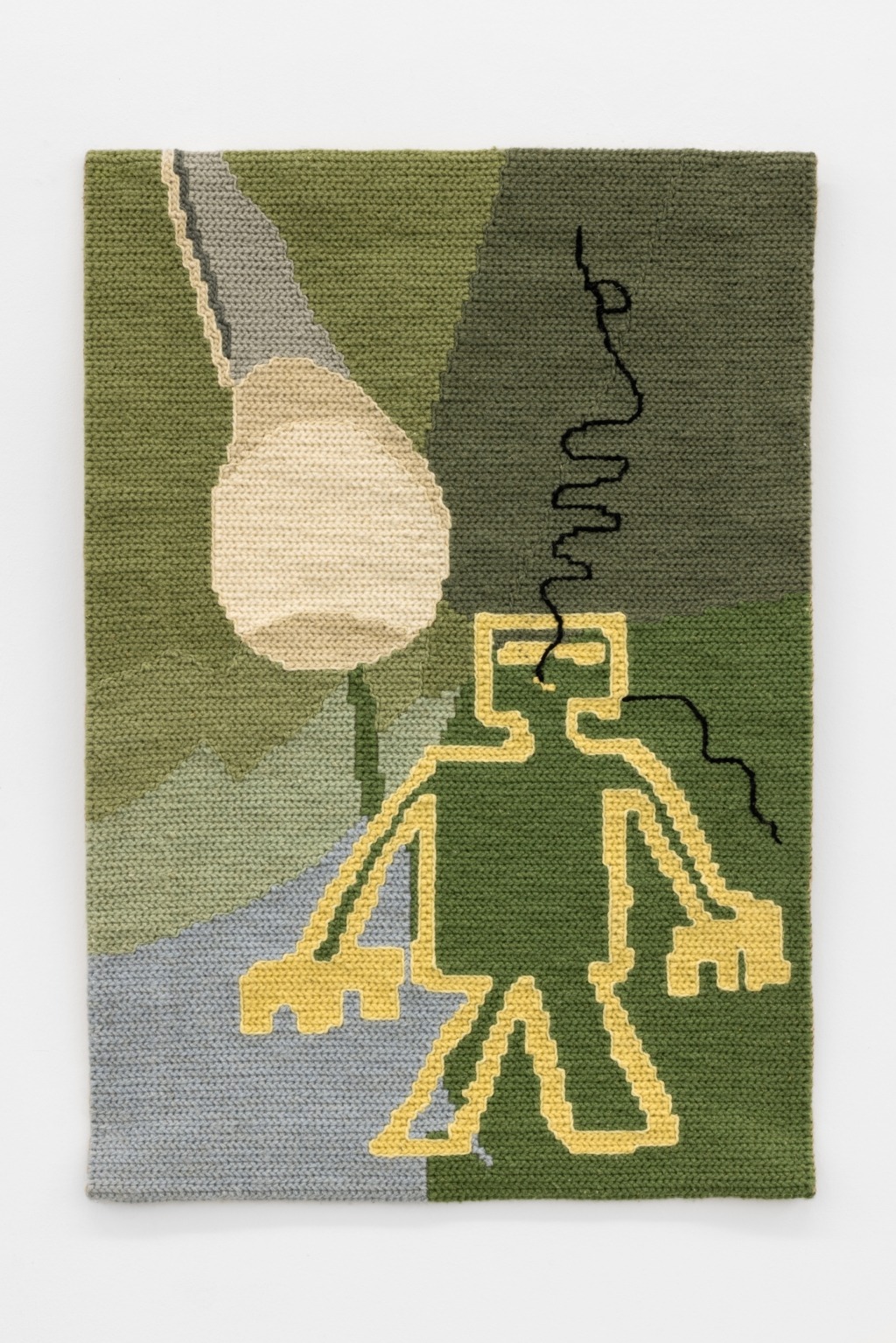
Carlos Noronha Feio
A droplet of milk, oh so sweet so sweet (weaver), 2024
Arraiolos rug technique, wool and jute, 74 x 50,5 cm, Ed. 1/3 + 2 PA

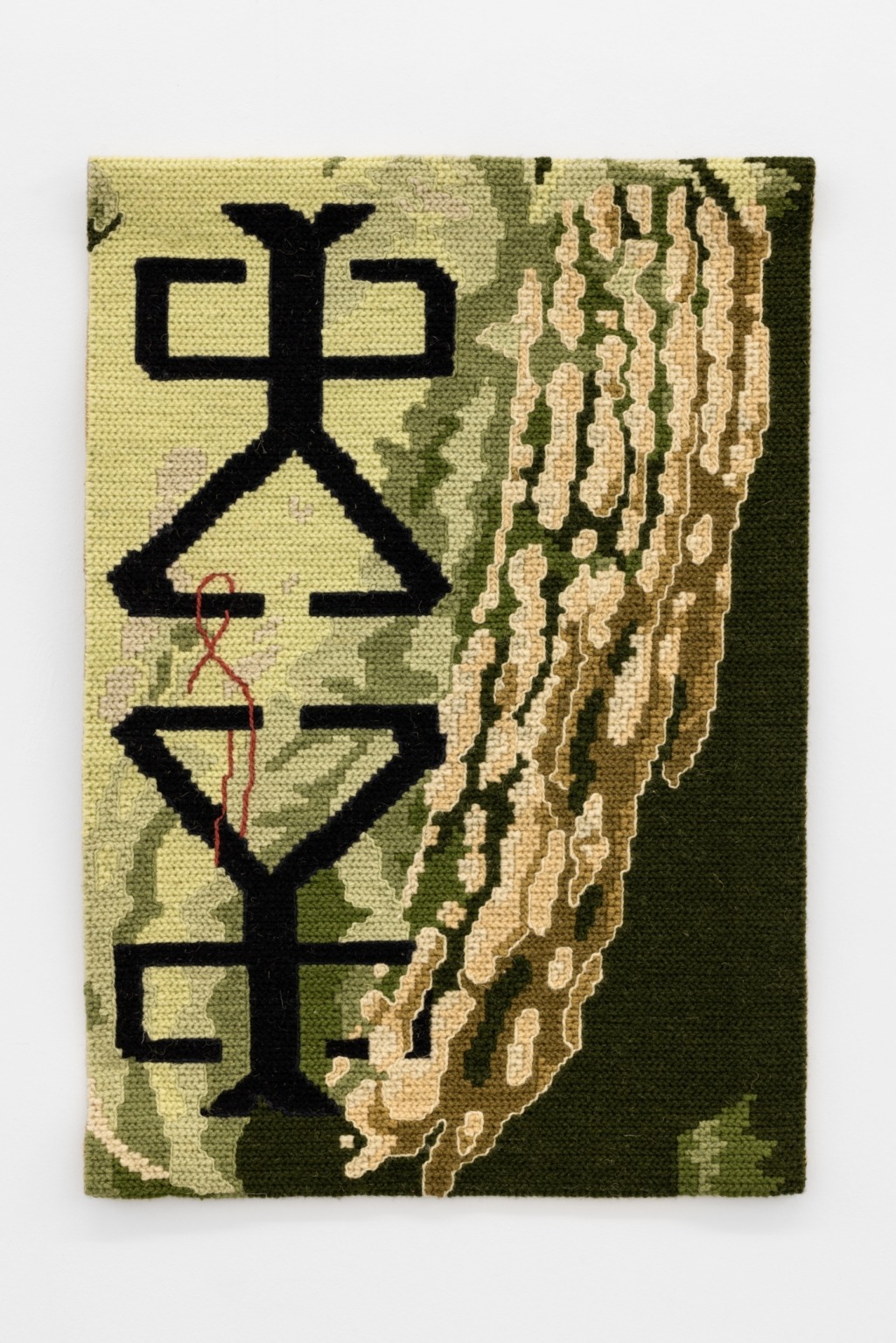
Carlos Noronha Feio
the milk of nature; a bond of peoples from many lands (weavers), 2024
Arraiolos rug technique, wool and jute, 74 x 50,5 cm, Ed. 1/3 + 2 PA

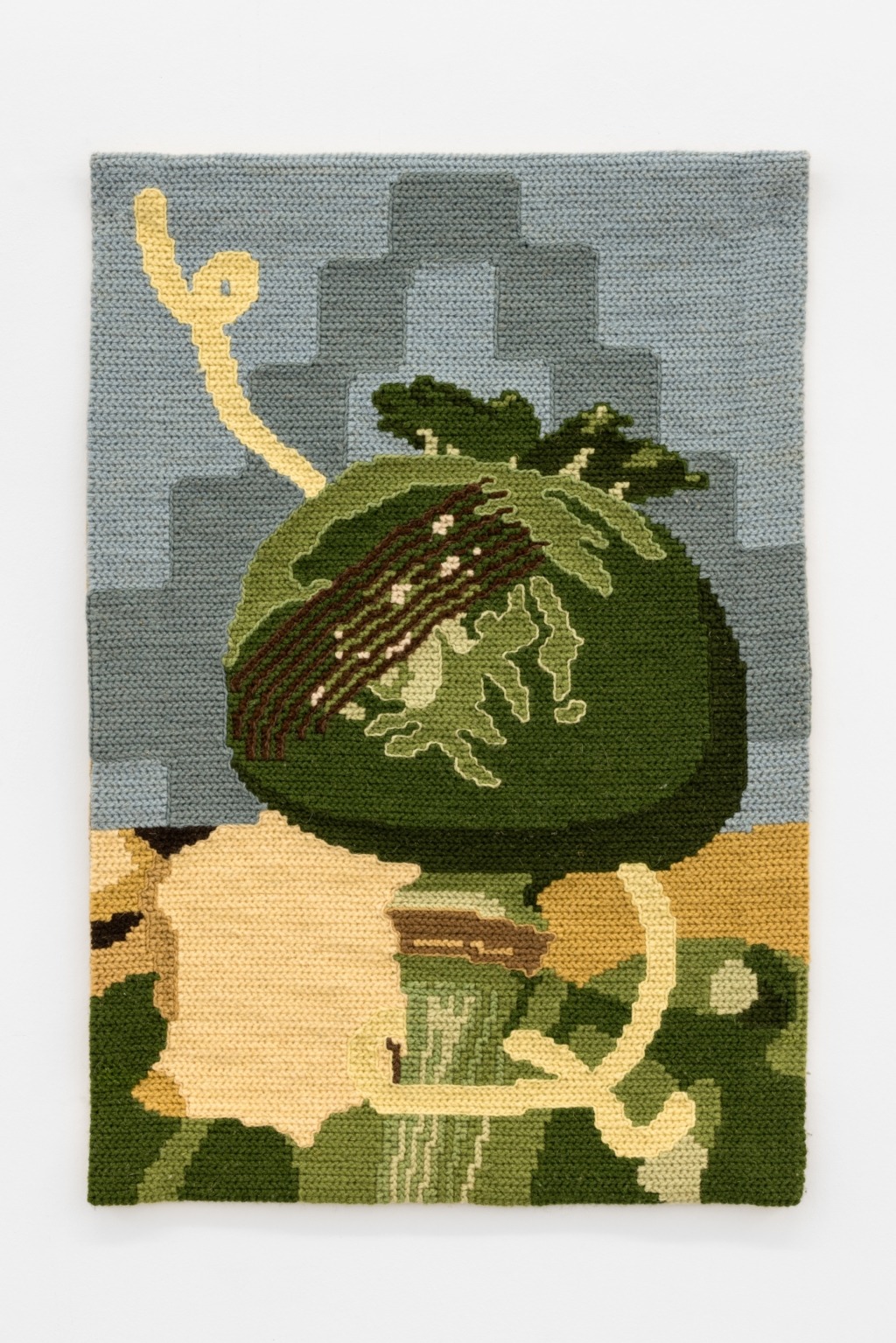
Carlos Noronha Feio
poppy - flower: milk and honey (Eye: ward off the evil eye) 2024
Arraiolos rug technique, wool and jute, 74 x 50,5 cm, Ed. 1/3 + 2 PA

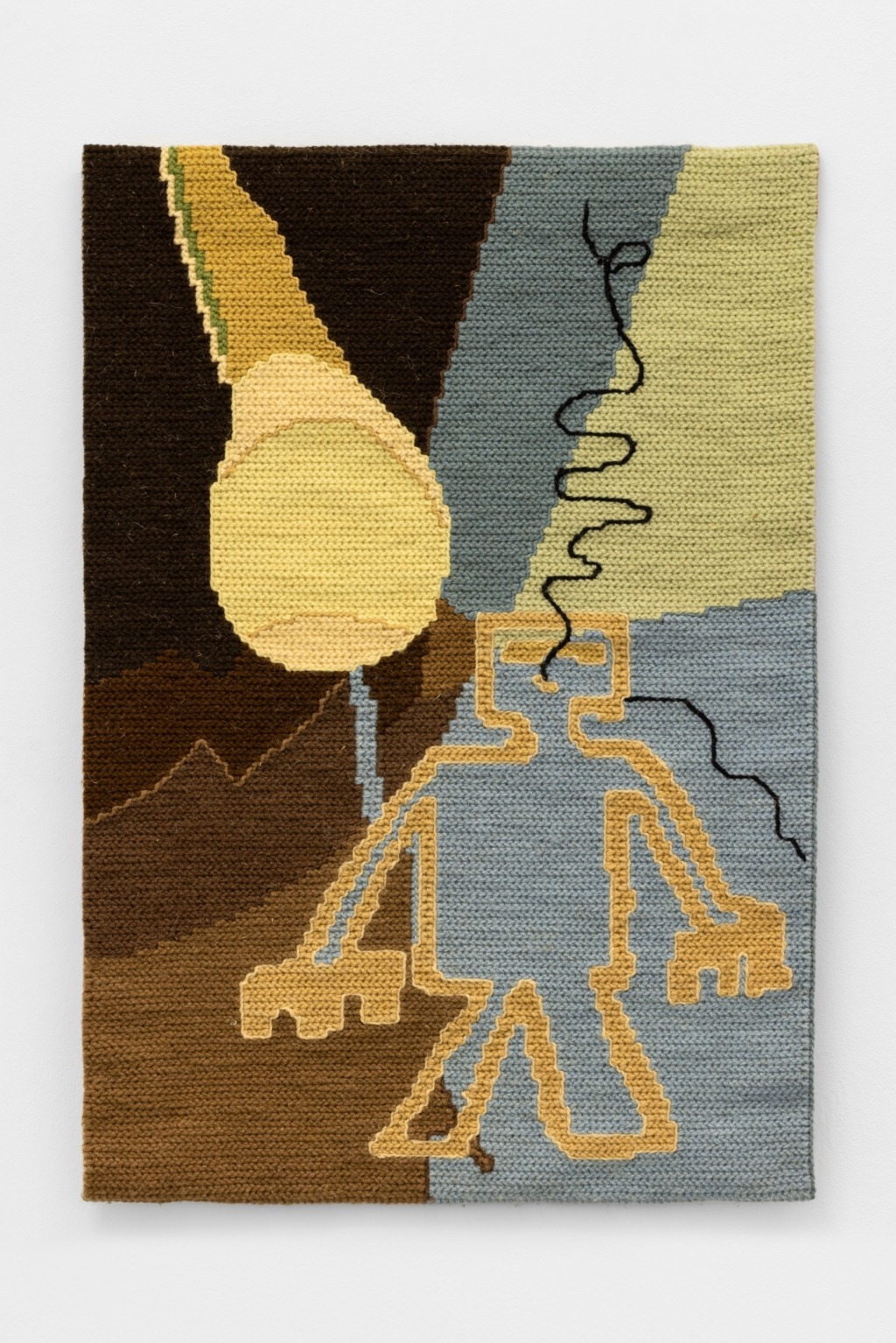
Carlos Noronha Feio
A twin, born first: A droplet of milk, oh so sweet so sweet (weaver), 2024
Arraiolos rug technique, wool and jute, 74 x 50,5 cm, Ed. 1/3 + 2 PA

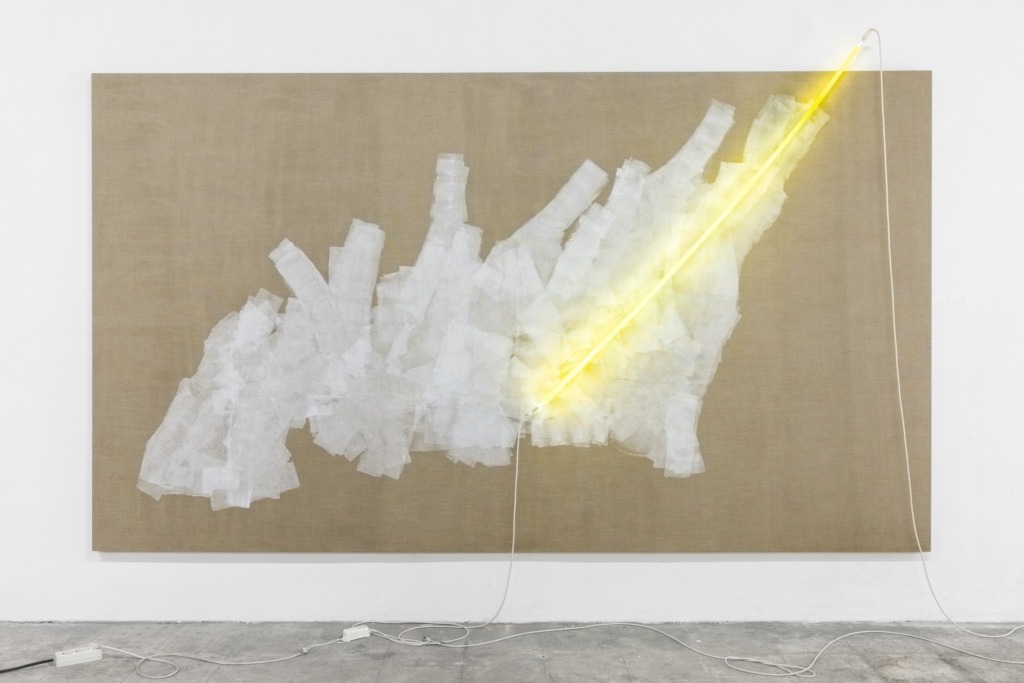
Carlos Noronha Feio
towards an ever betterment, 2023
Gouache and neon on linen, 227 x 350 x 10 cm

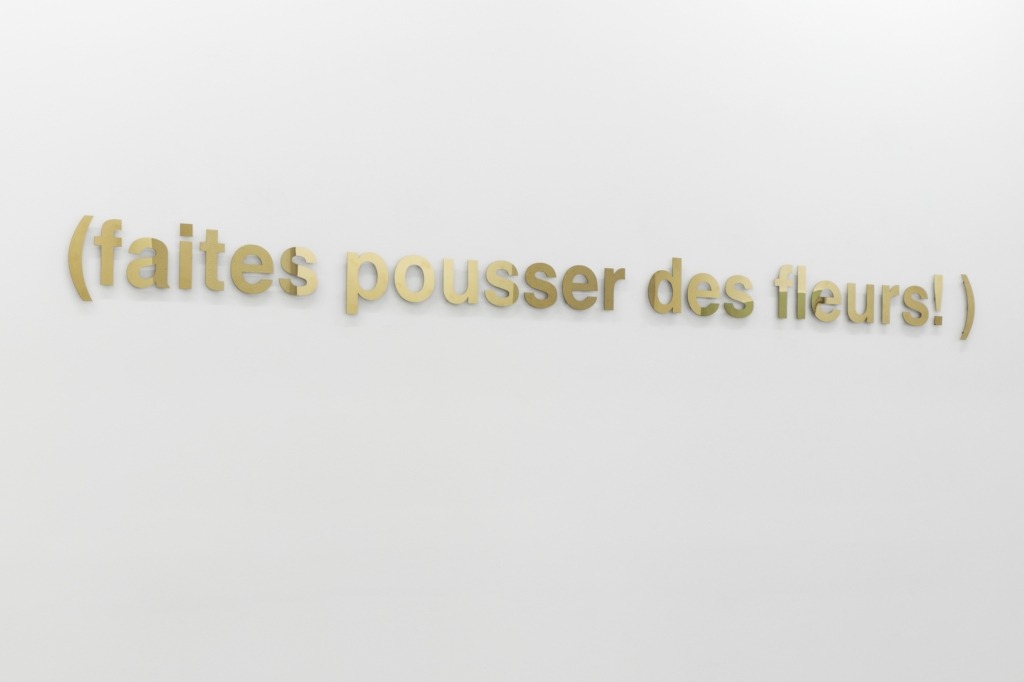
Carlos Noronha Feio
(faites pousser des fleurs!), 2018
Text in golden stainless steel, hovering 1 cm from the wall, 16 x 234 x 1 cm, Ed. 1/3 + 2 AP

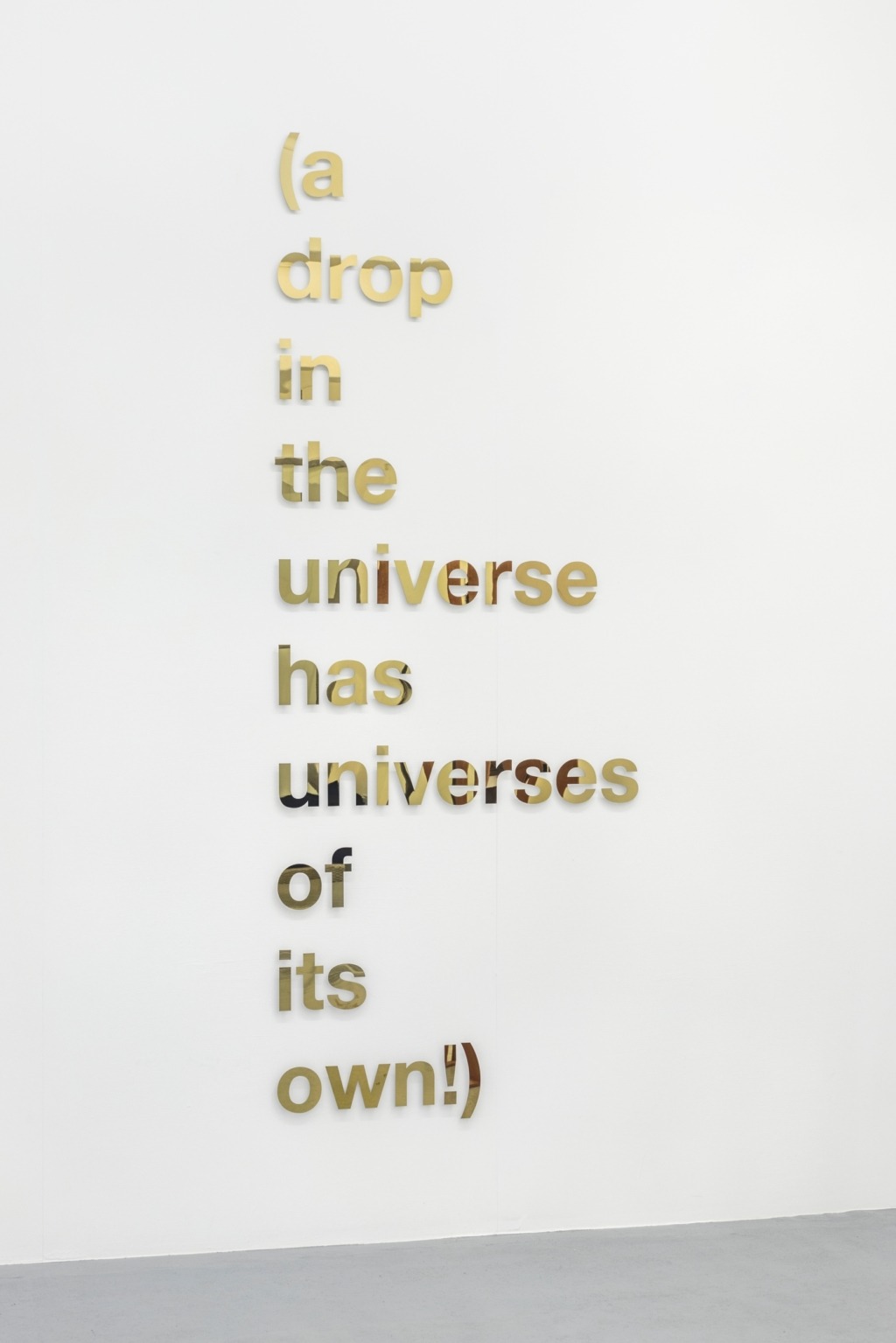
Carlos Noronha Feio
(a drop in the universe has universes of its own!), 2019
Text in golden stainless steel, hovering 1 cm from the wall, 210 x 81 x 1 cm, Ed. 3/3 + 2 AP

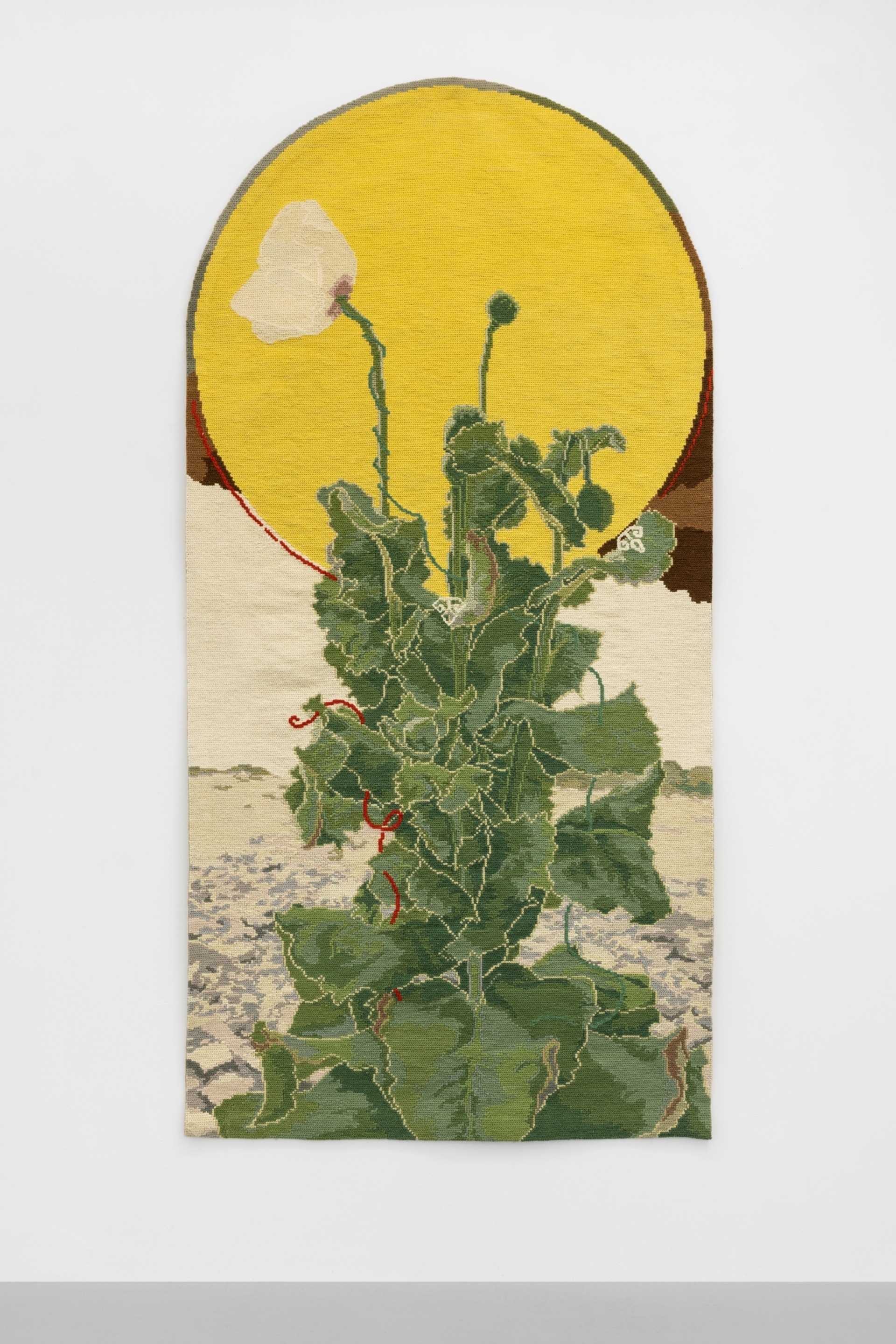
Carlos Noronha Feio
A restless beauty - Opium poppy of Adraga (fertility), 2024
Arraiolos rug technique, wool and jute, 240 x 118 cm, Ed. 2/3 + 2 AP
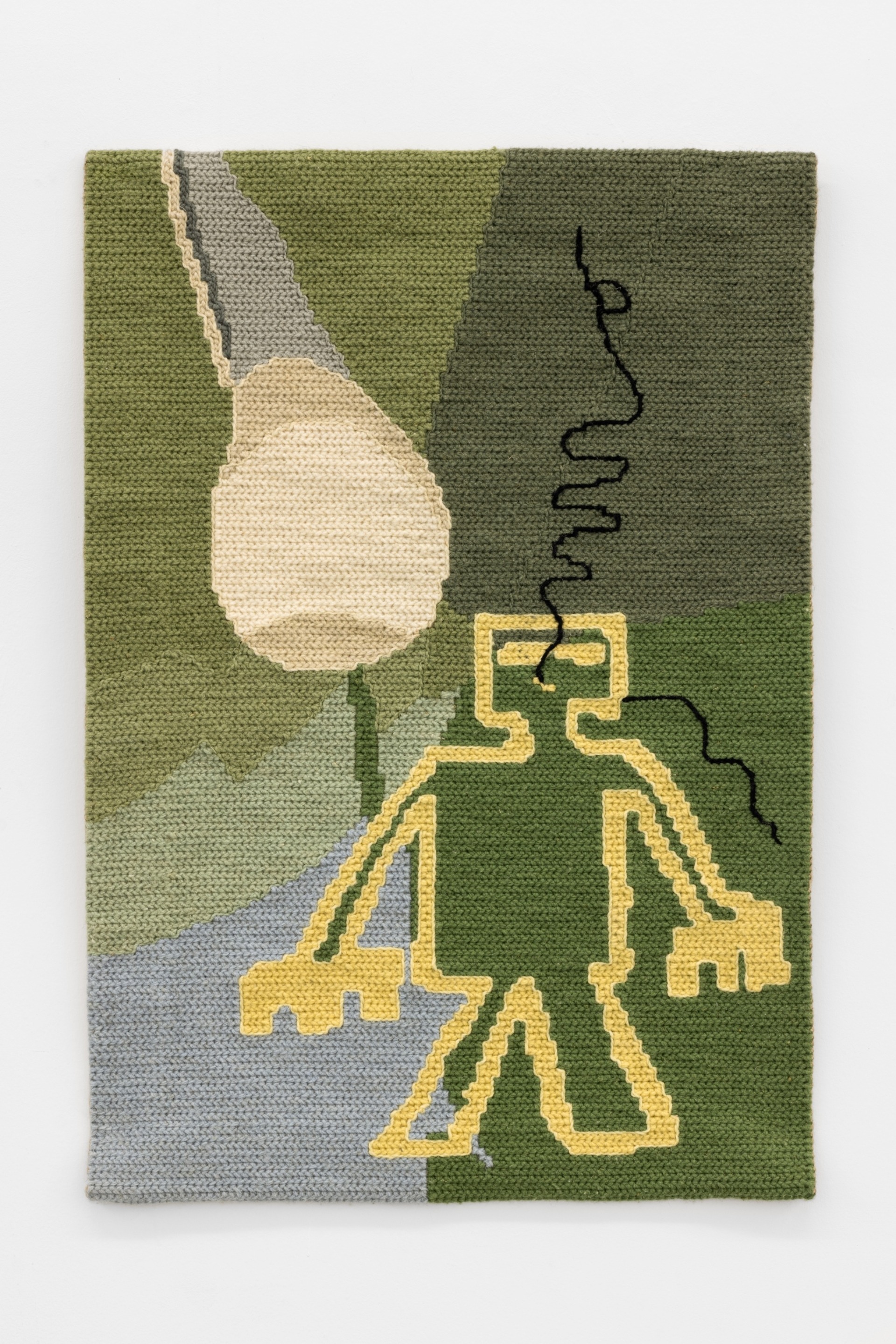
Carlos Noronha Feio
A droplet of milk, oh so sweet so sweet (weaver), 2024
Arraiolos rug technique, wool and jute, 74 x 50,5 cm, Ed. 1/3 + 2 PA
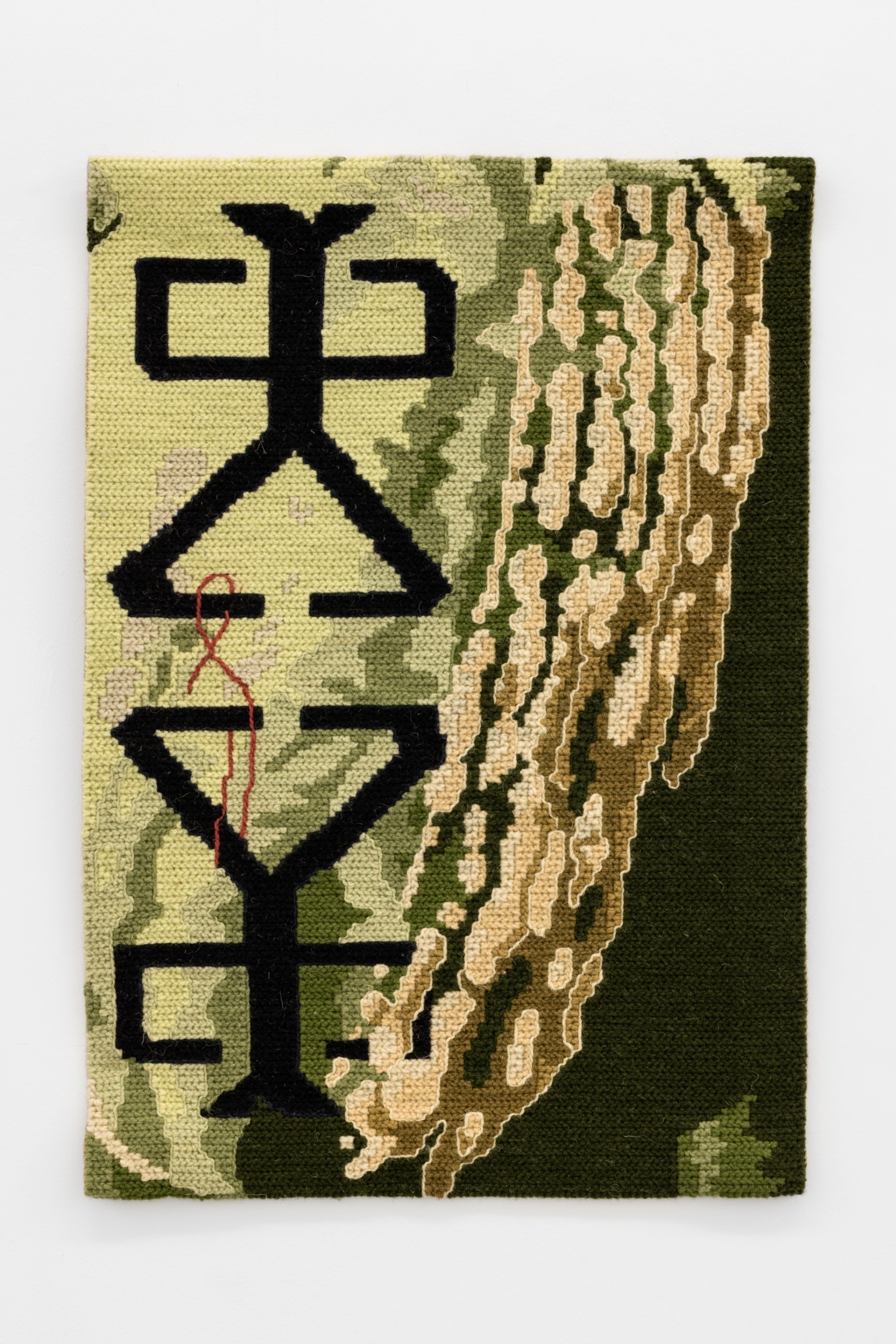
Carlos Noronha Feio
the milk of nature; a bond of peoples from many lands (weavers), 2024
Arraiolos rug technique, wool and jute, 74 x 50,5 cm, Ed. 1/3 + 2 PA
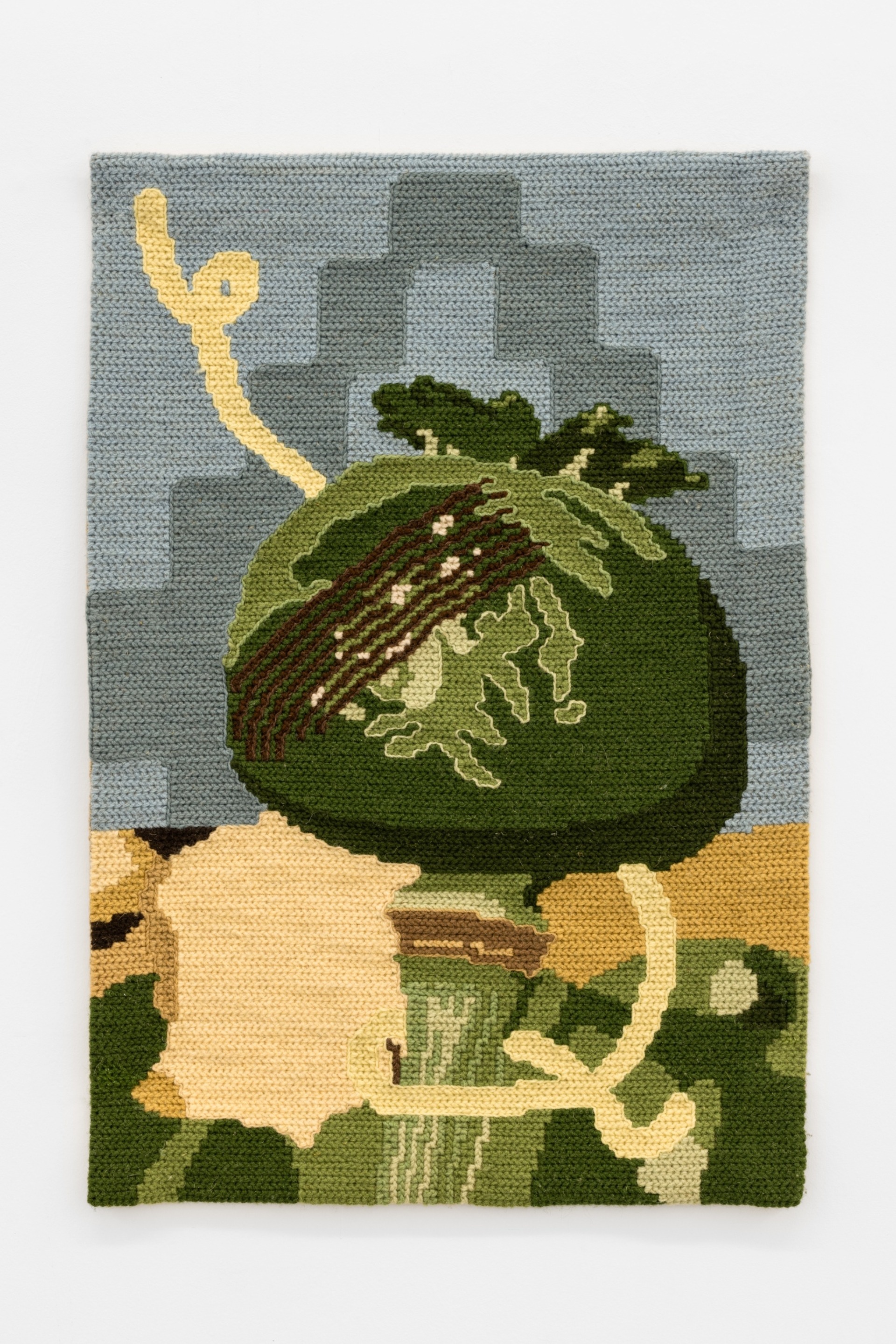
Carlos Noronha Feio
poppy - flower: milk and honey (Eye: ward off the evil eye) 2024
Arraiolos rug technique, wool and jute, 74 x 50,5 cm, Ed. 1/3 + 2 PA
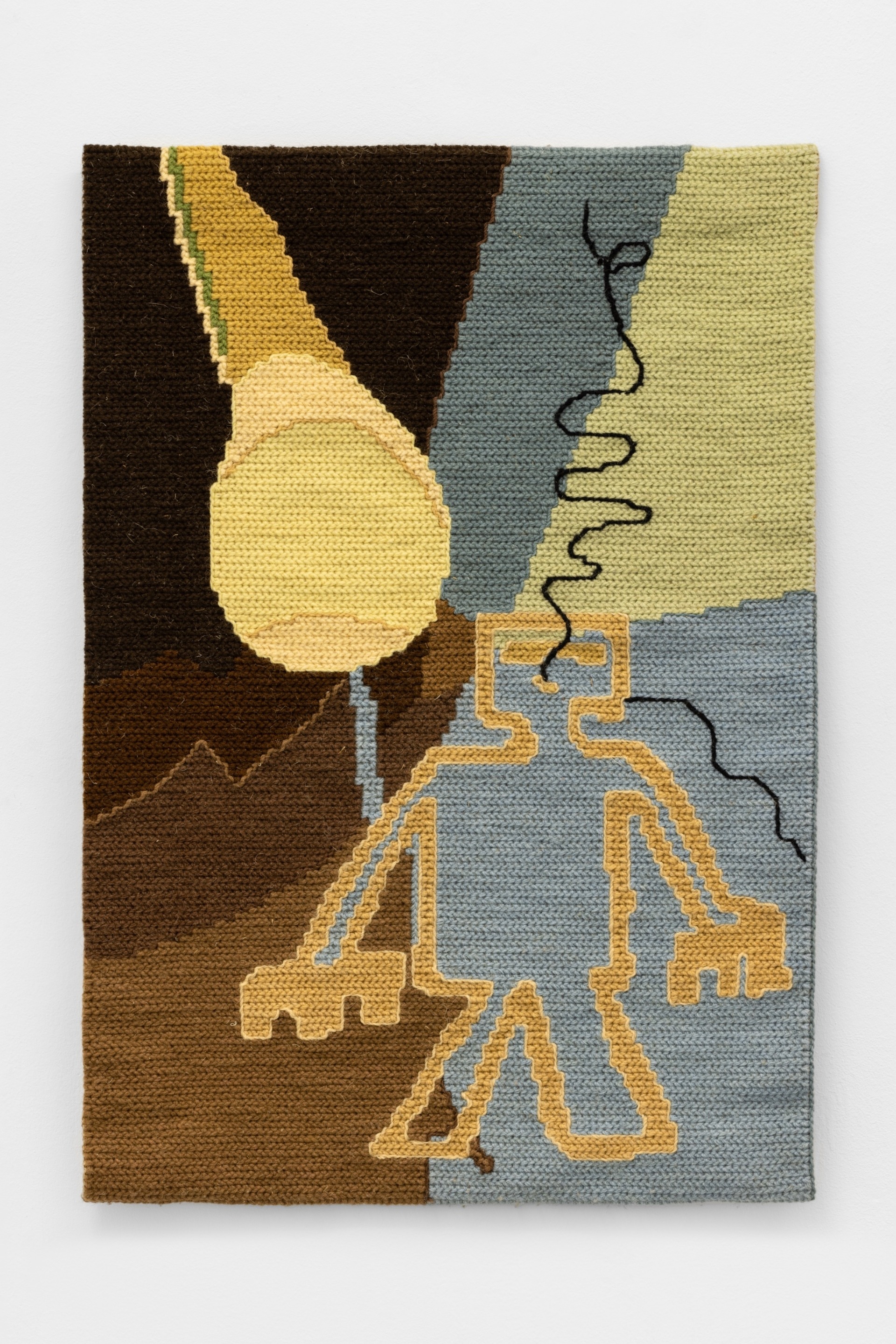
Carlos Noronha Feio
A twin, born first: A droplet of milk, oh so sweet so sweet (weaver), 2024
Arraiolos rug technique, wool and jute, 74 x 50,5 cm, Ed. 1/3 + 2 PA
Carlos Noronha Feio
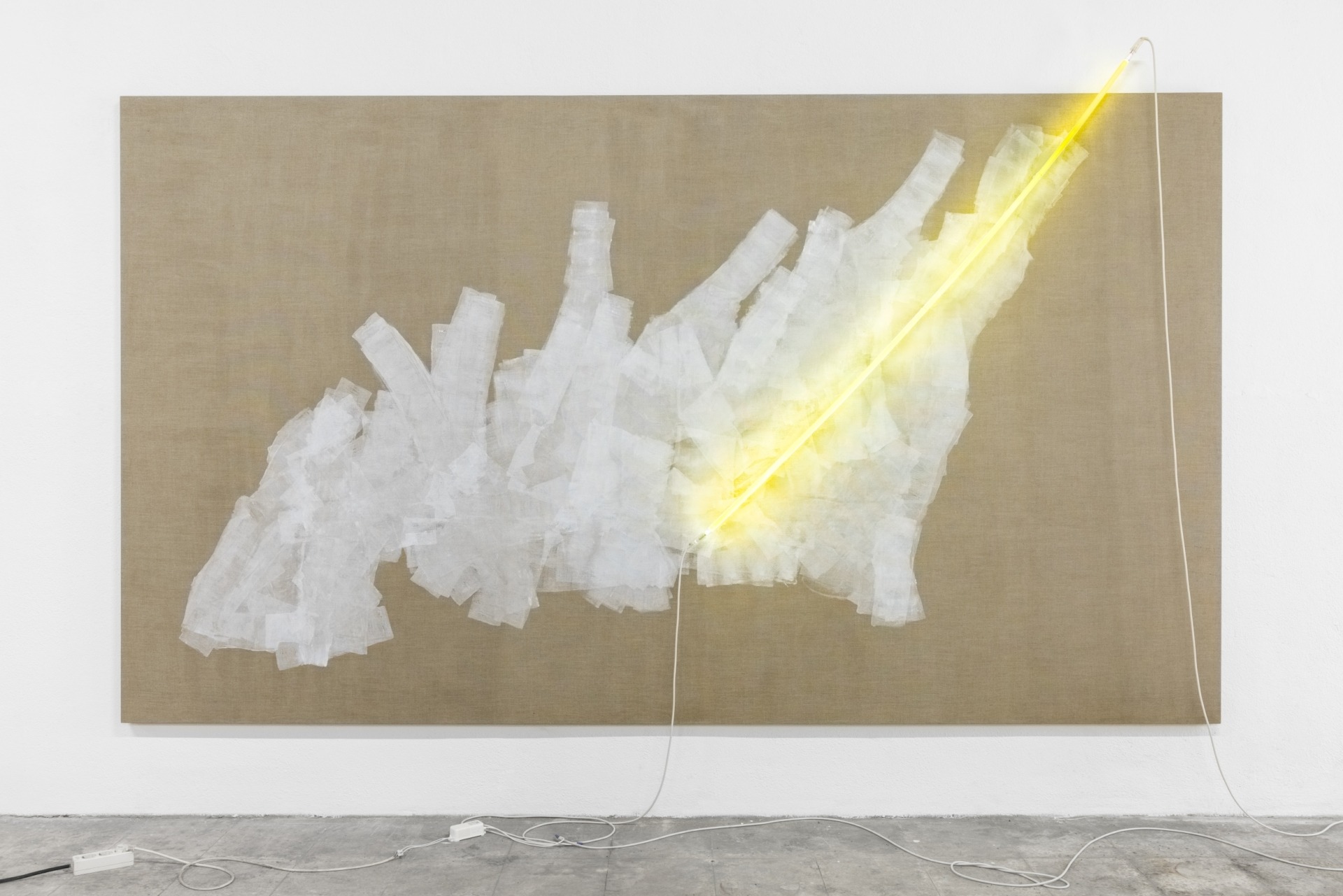
towards an ever betterment, 2023
Gouache and neon on linen, 227 x 350 x 10 cm
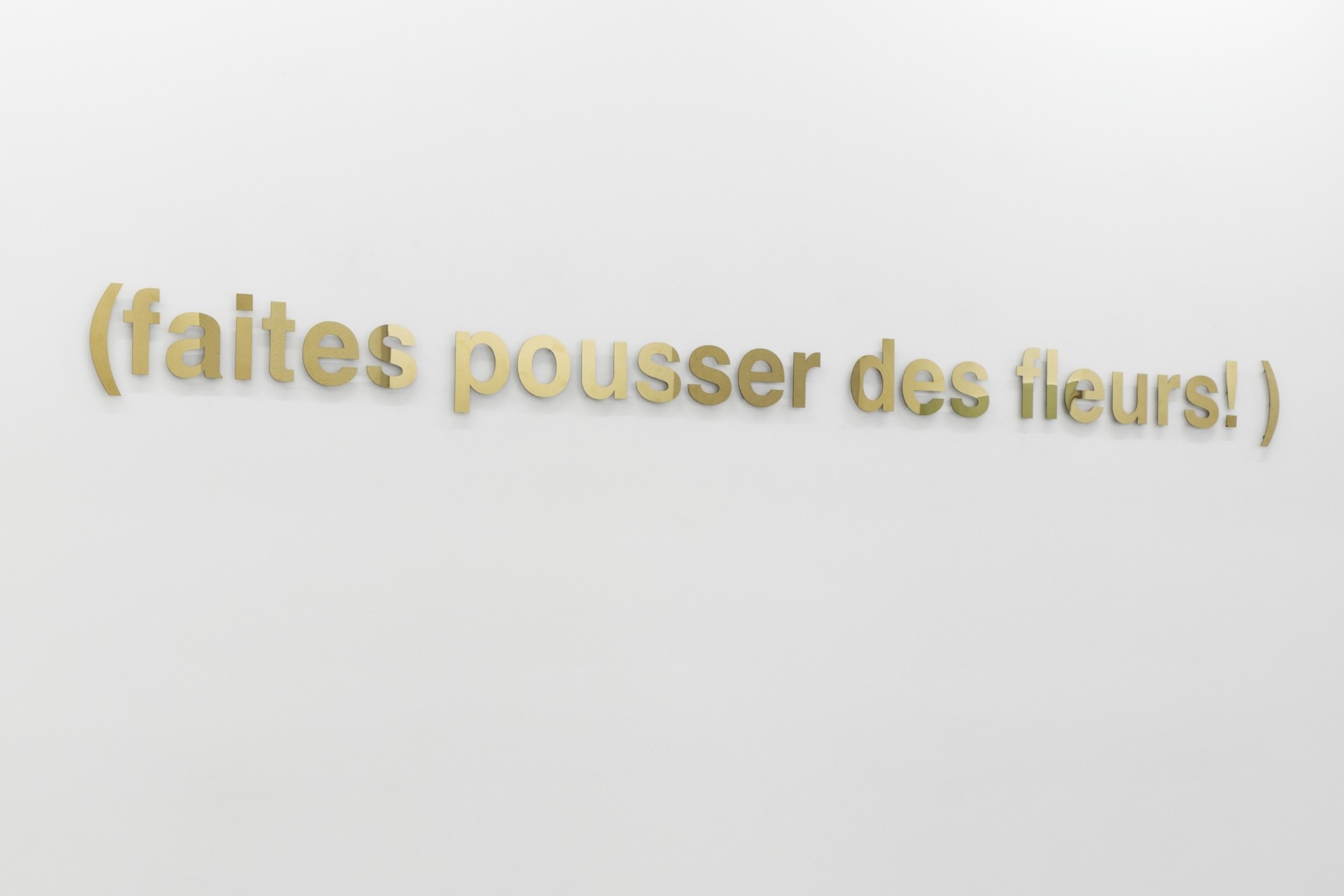
Carlos Noronha Feio
(faites pousser des fleurs!), 2018
Text in golden stainless steel, hovering 1 cm from the wall, 16 x 234 x 1 cm, Ed. 1/3 + 2 AP
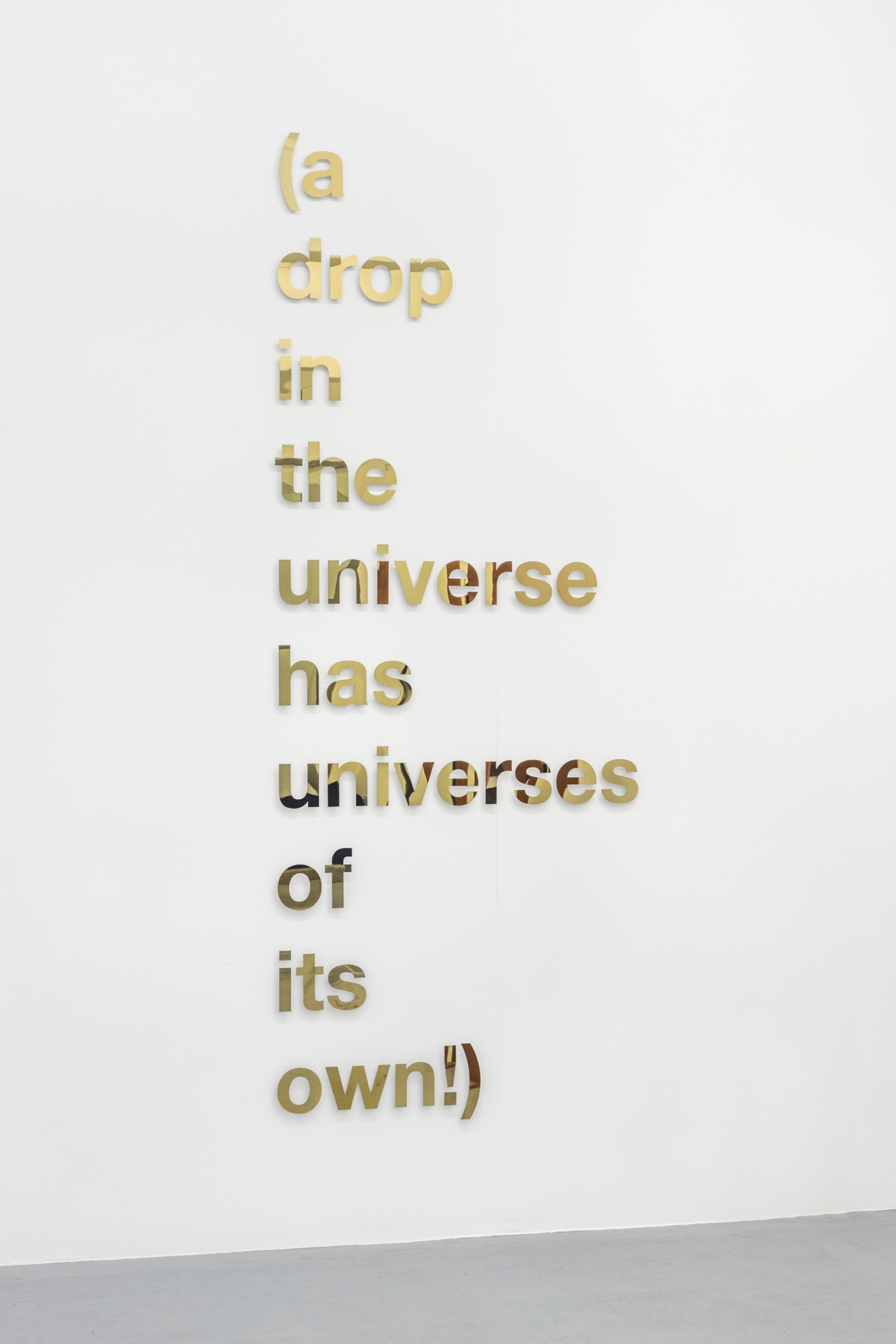
Carlos Noronha Feio
(a drop in the universe has universes of its own!), 2019
Text in golden stainless steel, hovering 1 cm from the wall, 210 x 81 x 1 cm, Ed. 3/3 + 2 AP
Carlos Noronha Feio’s (Lisboa, 1981) multidisciplinary practice is a complex and profound collection of references and personal interests. Exploring subjects within a broad framework, his work consumes, juxtaposes and performs media as research into cultural, local and global identity. In his works, the artist adopts culturally significant images, locations and symbols as a form of creative interference with meaning, demonstrating the almost arbitrary nature in which cultural significance is interpreted. By referencing, repeating and often decontextualizing these varied historical, geographical and cultural references, the artist comments on global, social and political issues. This is a continuously evolving conversation, never static, always questioning how the past influences the present and how the present changes our view of the past.
Gabriela Machado
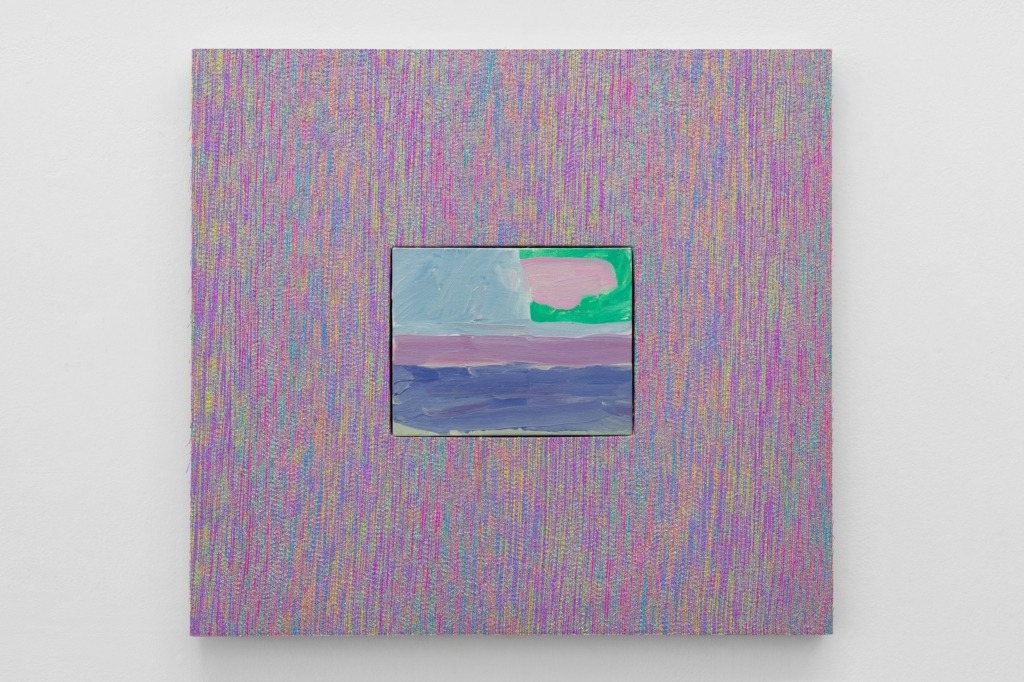
Gabriela Machado
As ondas, 2016 - 2021
Oil and paper on linen, 44 x 48,5 cm

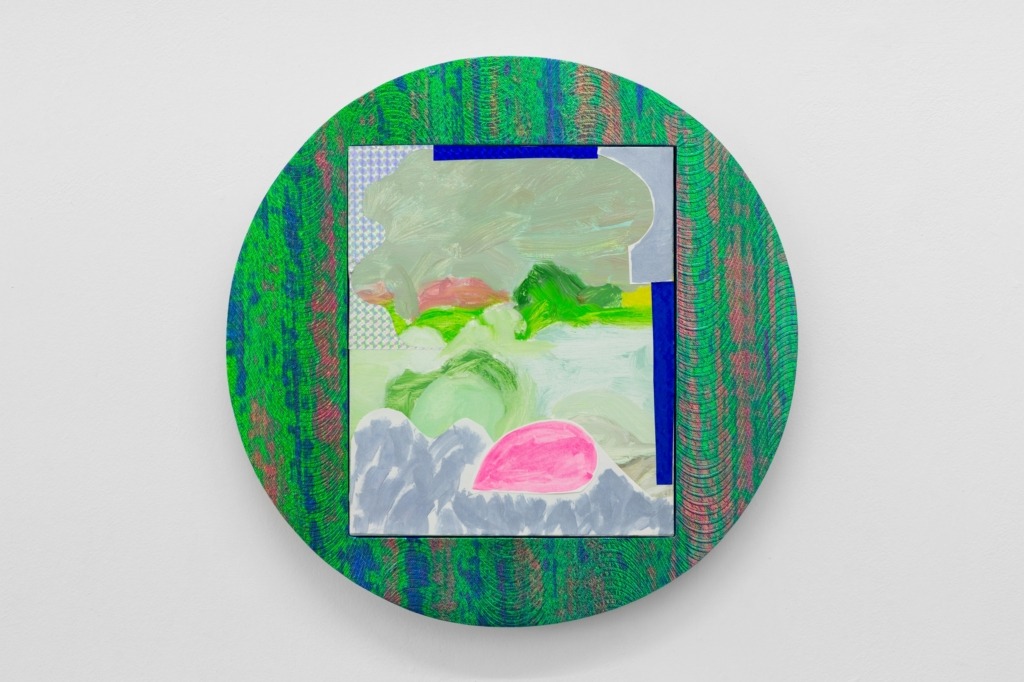
Gabriela Machado
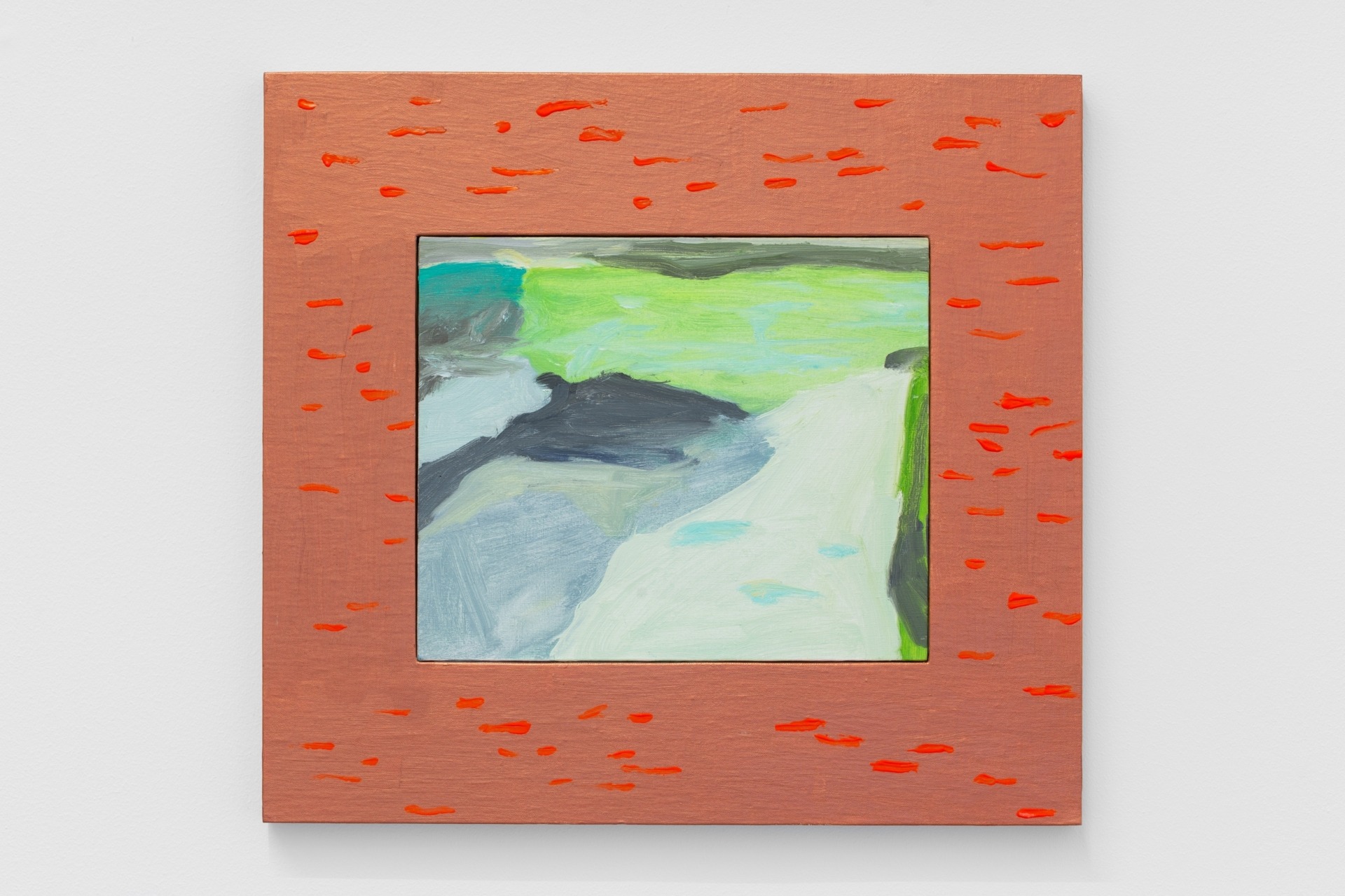
Não tem asas, 2020
Oil and paper on linen, 44 x 44 cm

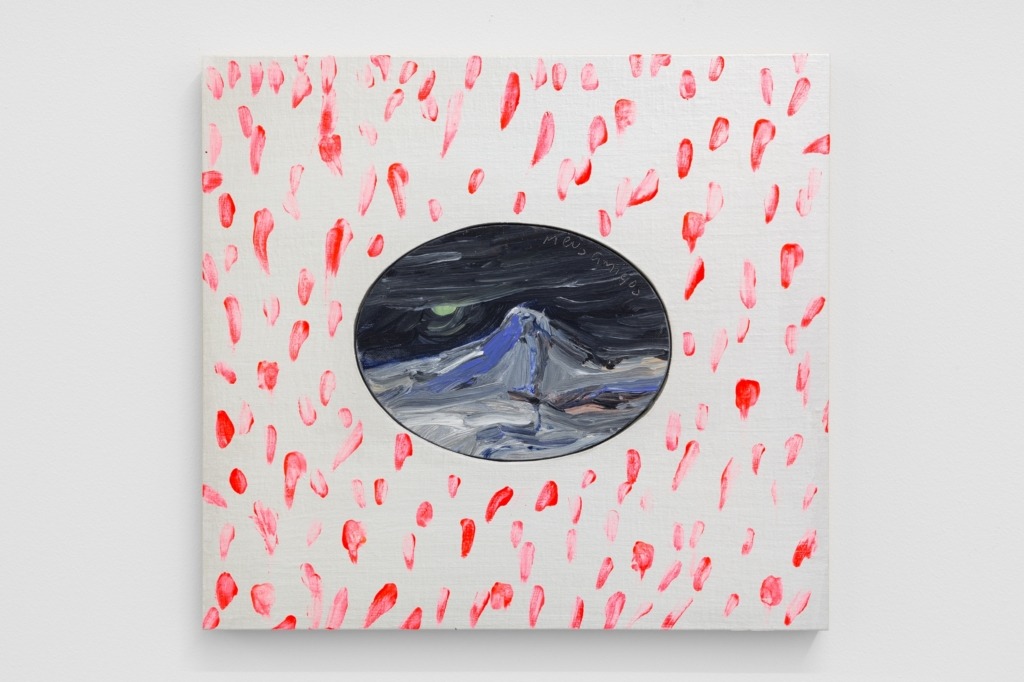
Gabriela Machado
meus amigos, 2018-2021
Oil and acrylic on linen, 44 x 48 cm

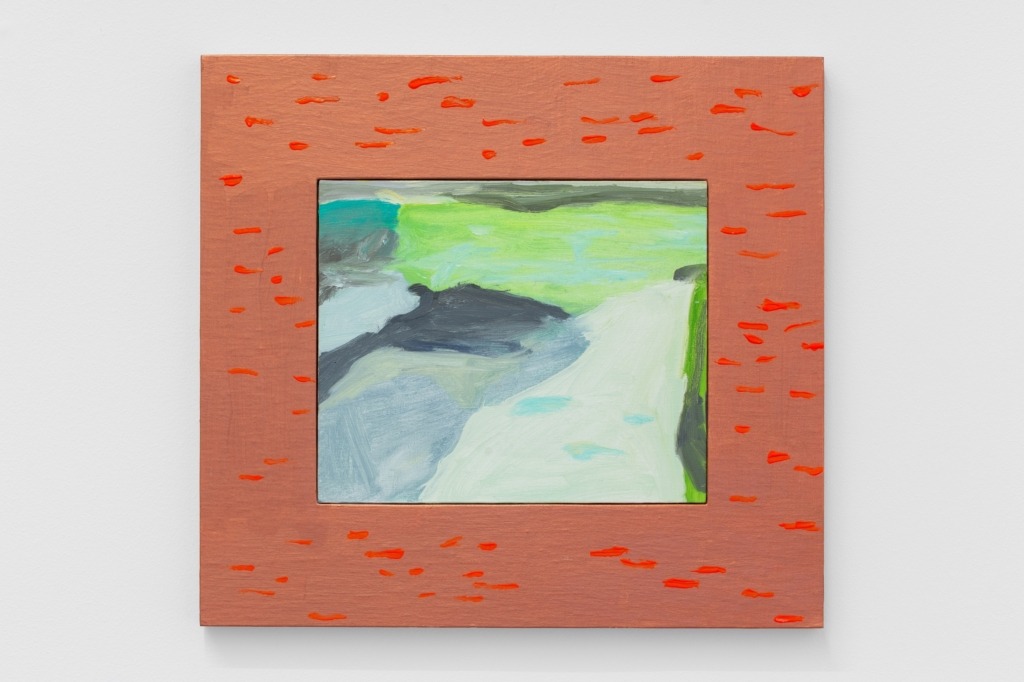
Gabriela Machado
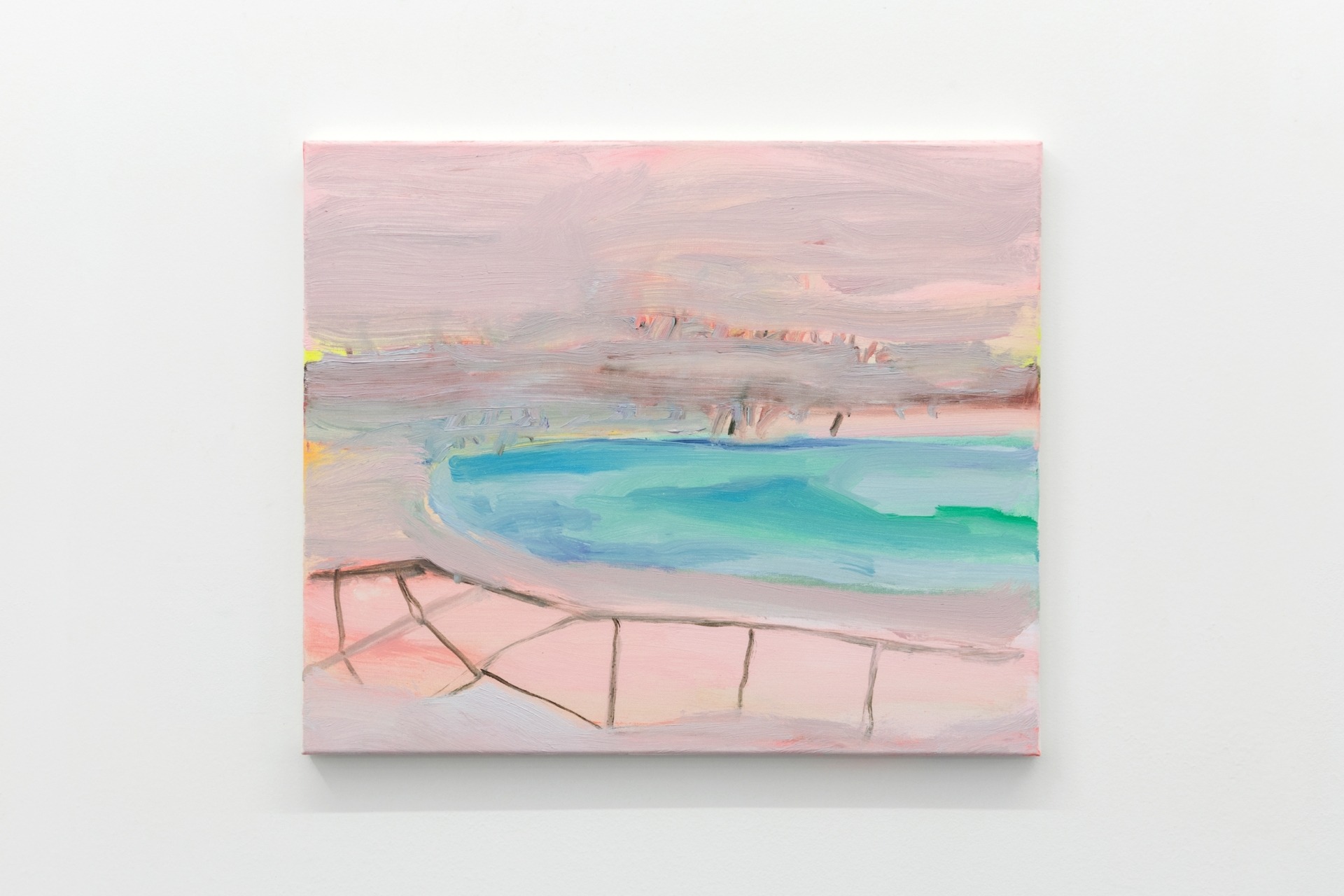
pode ser amanha, 2016-2021
Oil and acrylic on linen, 44,5 x 48,5 cm

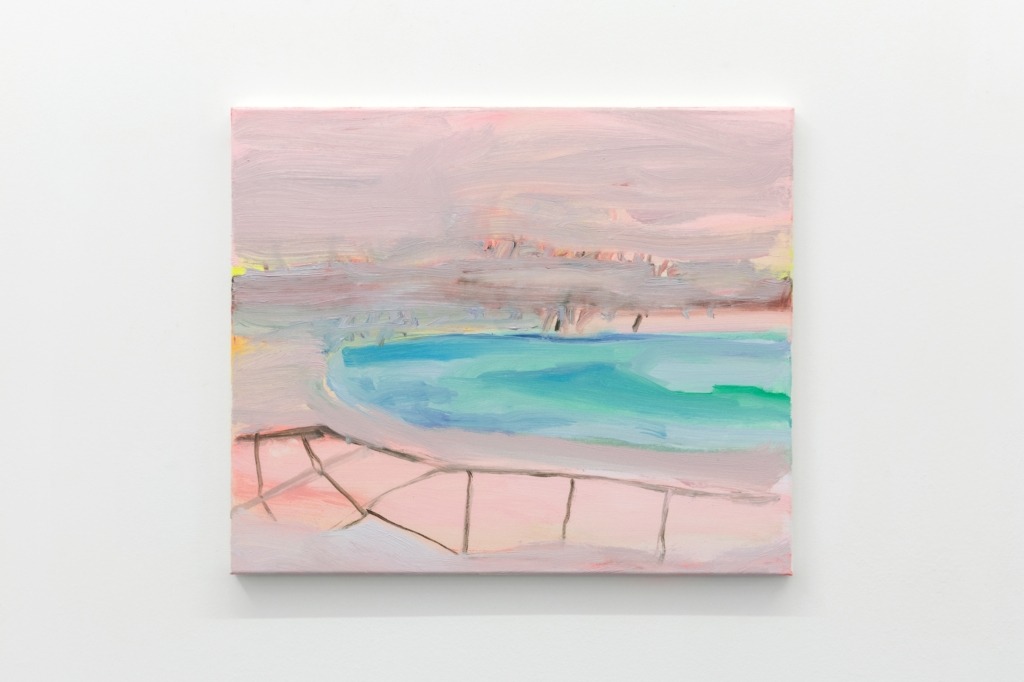
Gabriela Machado
Feita de evasivas, 2019
Oil on linen, 46 x 55 cm

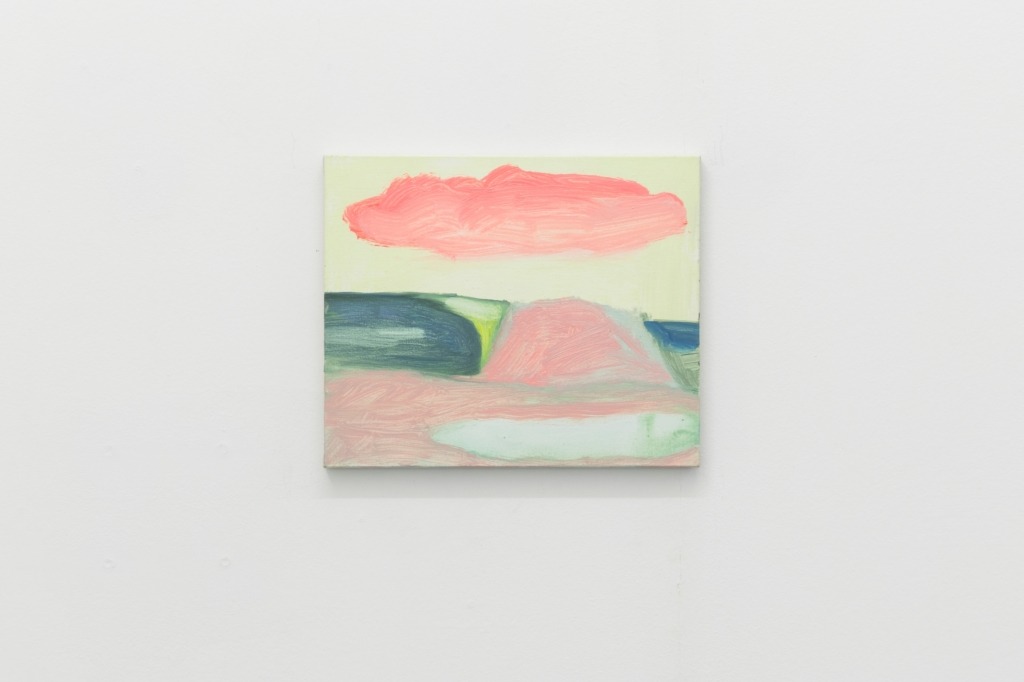
Gabriela Machado
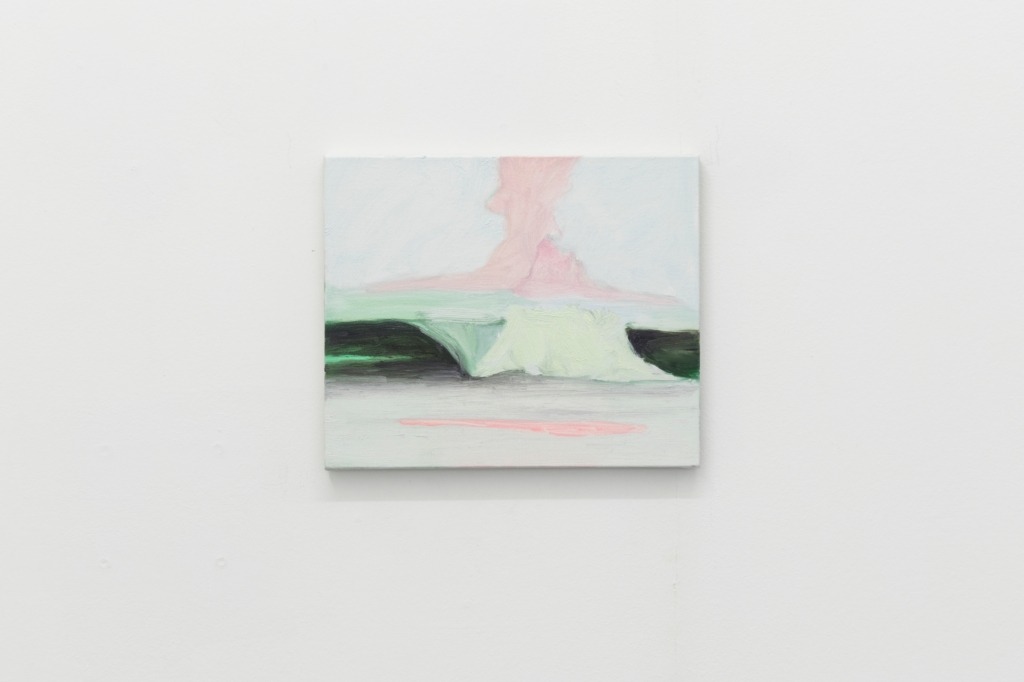
Visit studio, Turquia, 2019
Oil on canvas, 25 x 30 cm

Gabriela Machado
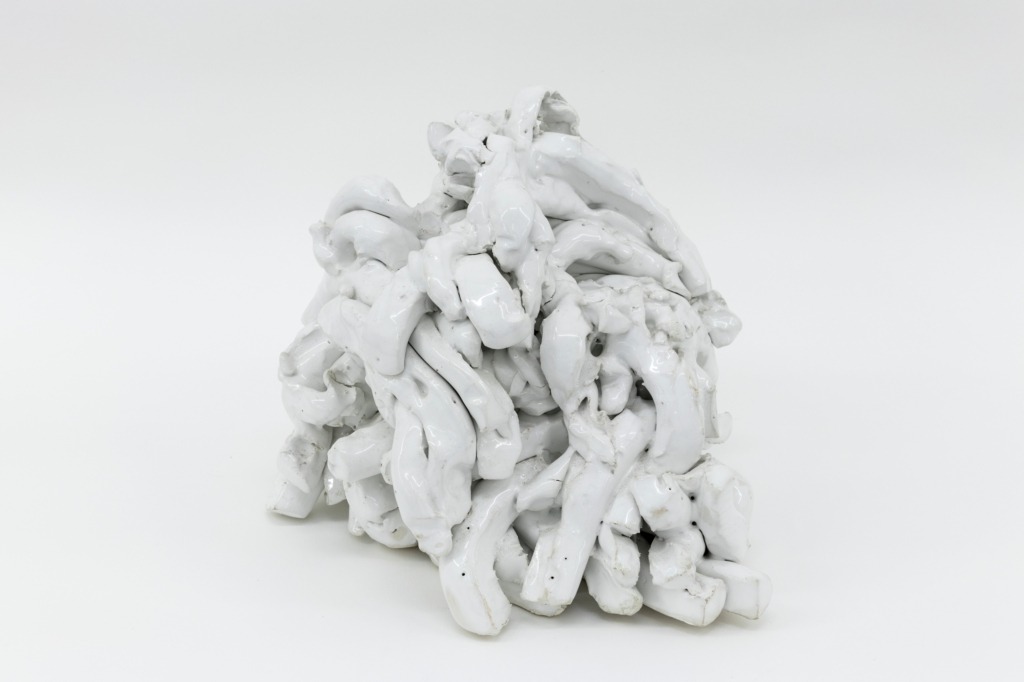
Seu modo de pintar, 2019
Oil on canvas, 25 x 30 cm

Gabriela Machado
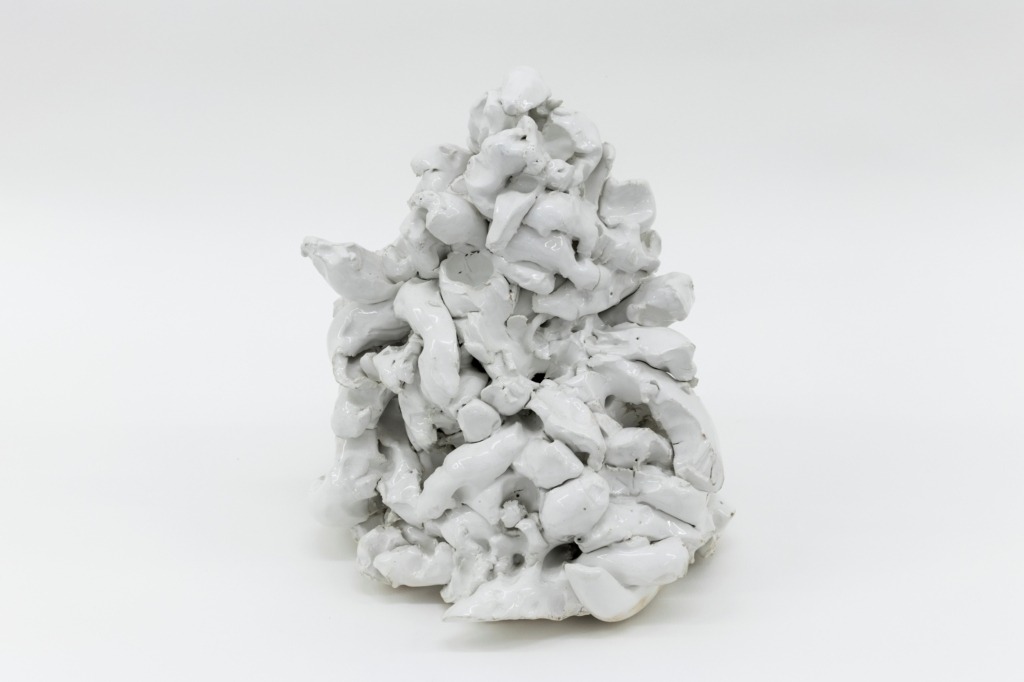
Untitled, 2014
Porcelain, 27 x 35 x 28 cm

Gabriela Machado
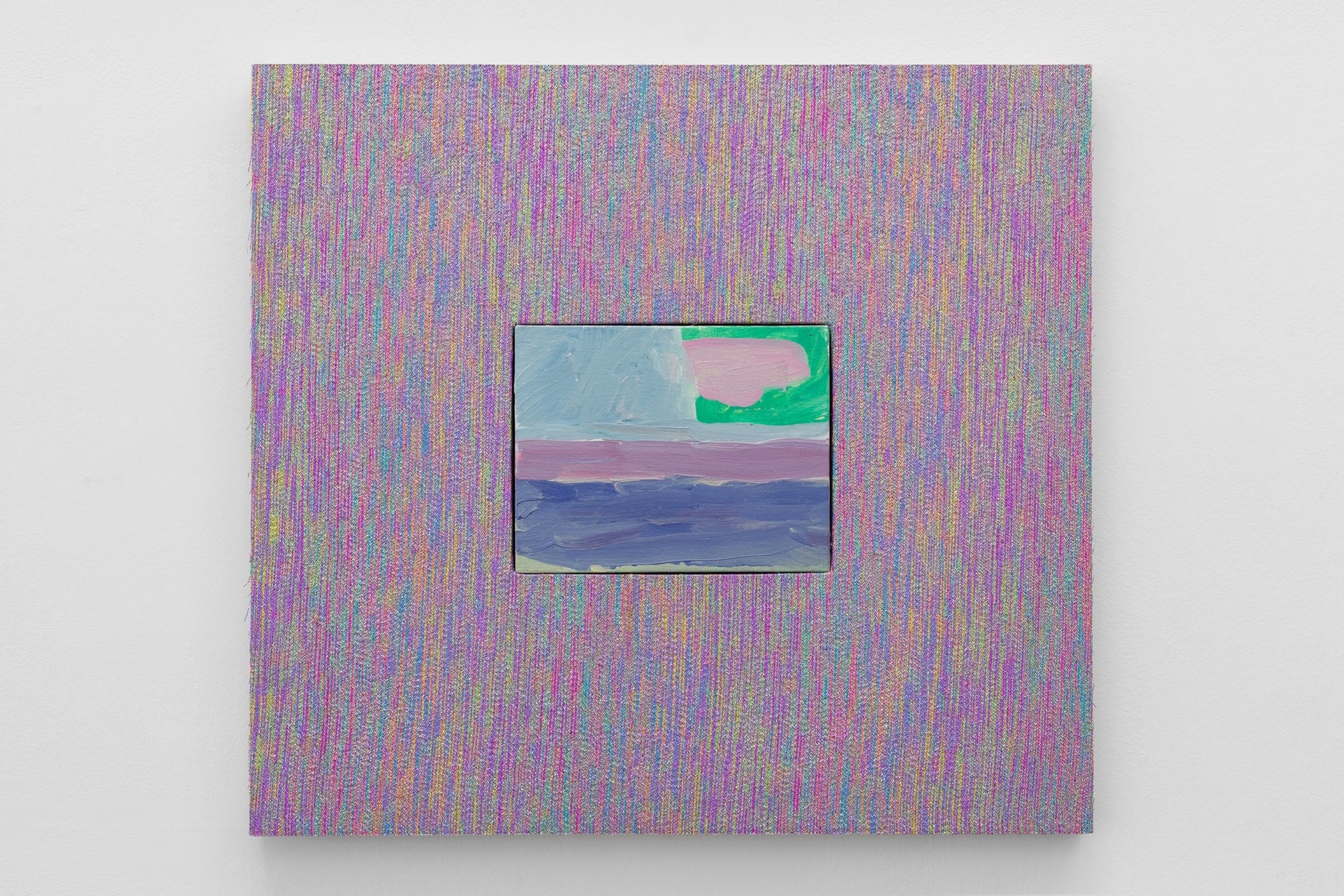
Untitled, 2014
Porcelain, 30 x 27 x 22 cm

Gabriela Machado
As ondas, 2016 - 2021
Oil and paper on linen, 44 x 48,5 cm
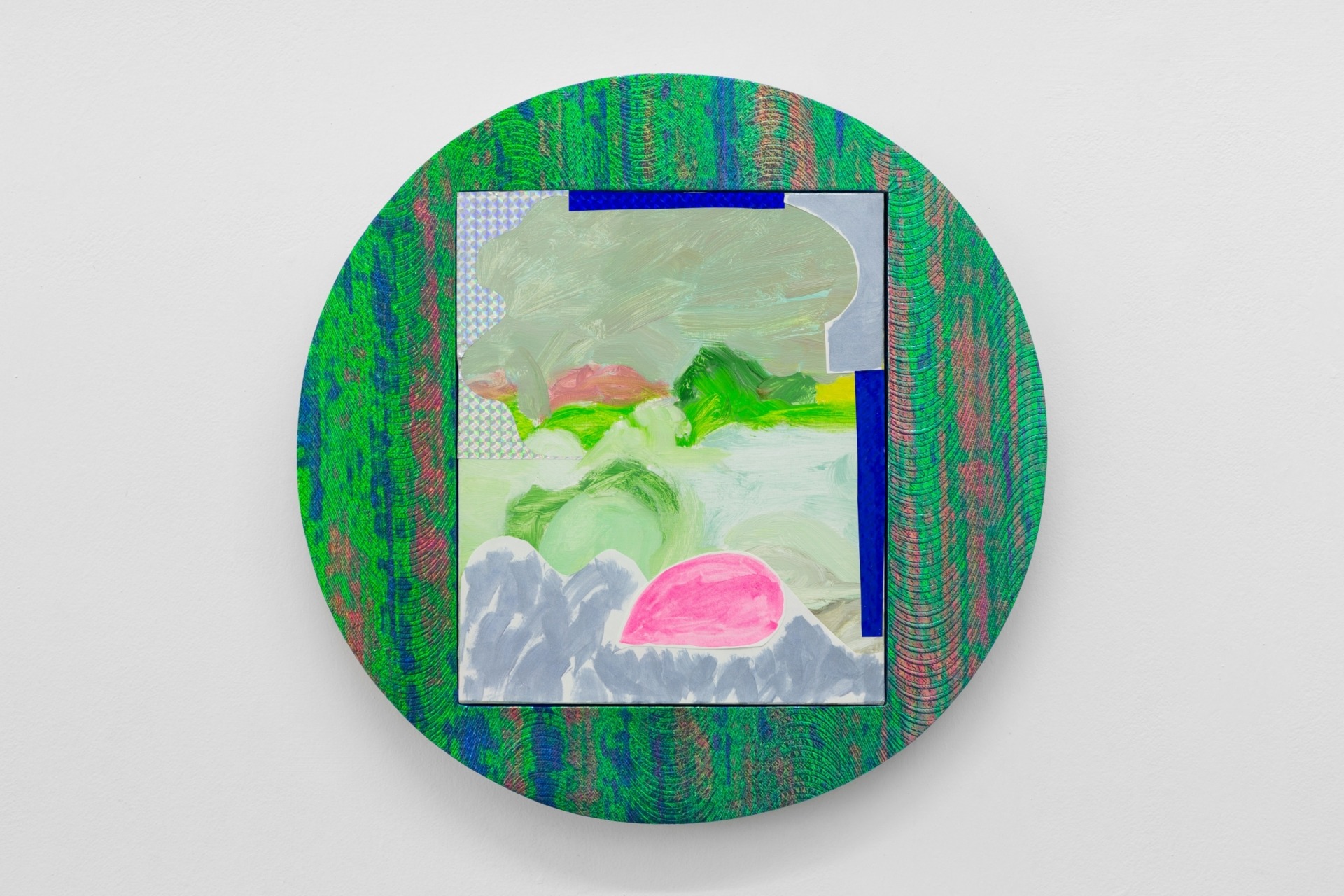
Gabriela Machado
Não tem asas, 2020
Oil and paper on linen, 44 x 44 cm
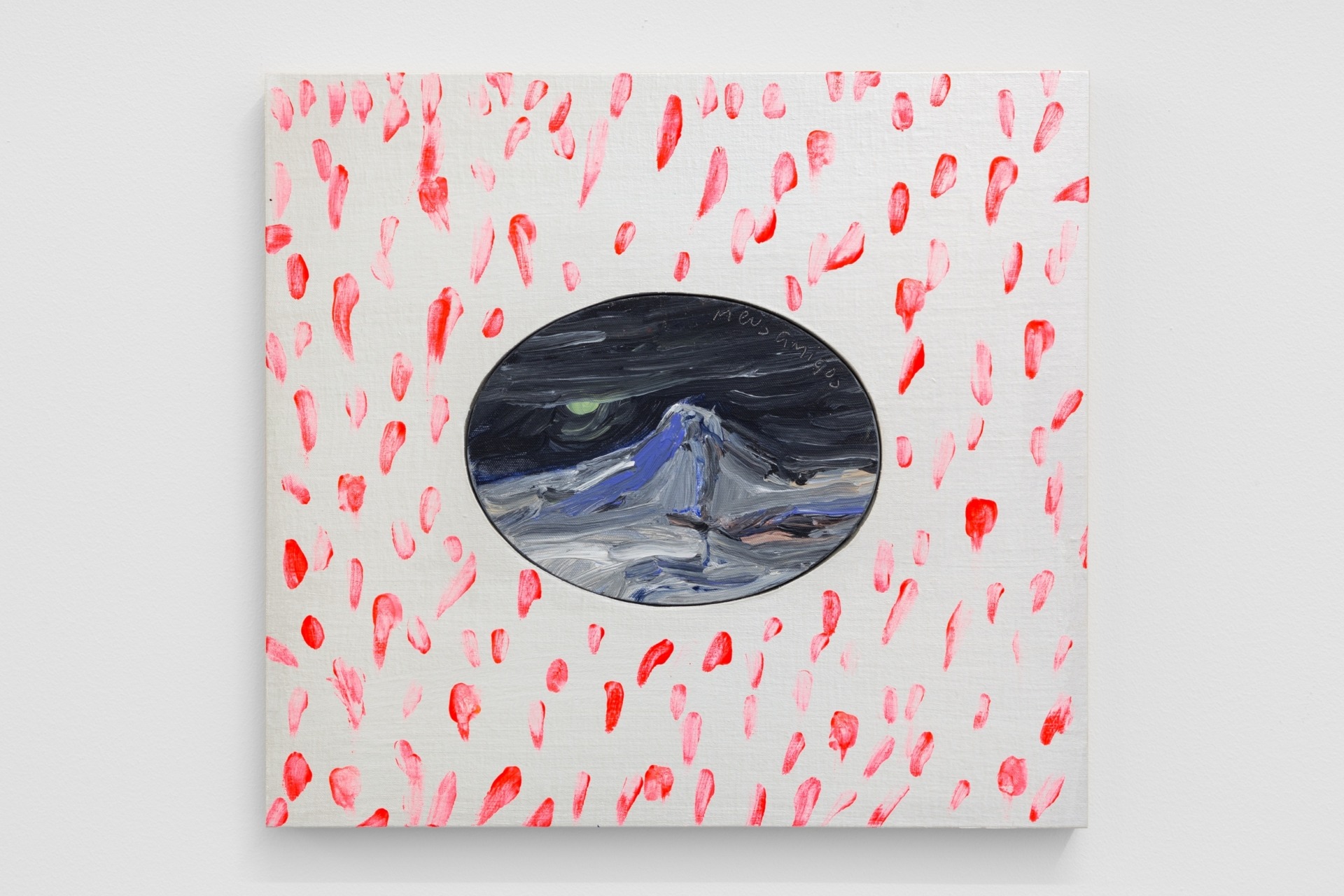
Gabriela Machado
meus amigos, 2018-2021
Oil and acrylic on linen, 44 x 48 cm
Gabriela Machado
pode ser amanha, 2016-2021
Oil and acrylic on linen, 44,5 x 48,5 cm
Gabriela Machado
Feita de evasivas, 2019
Oil on linen, 46 x 55 cm
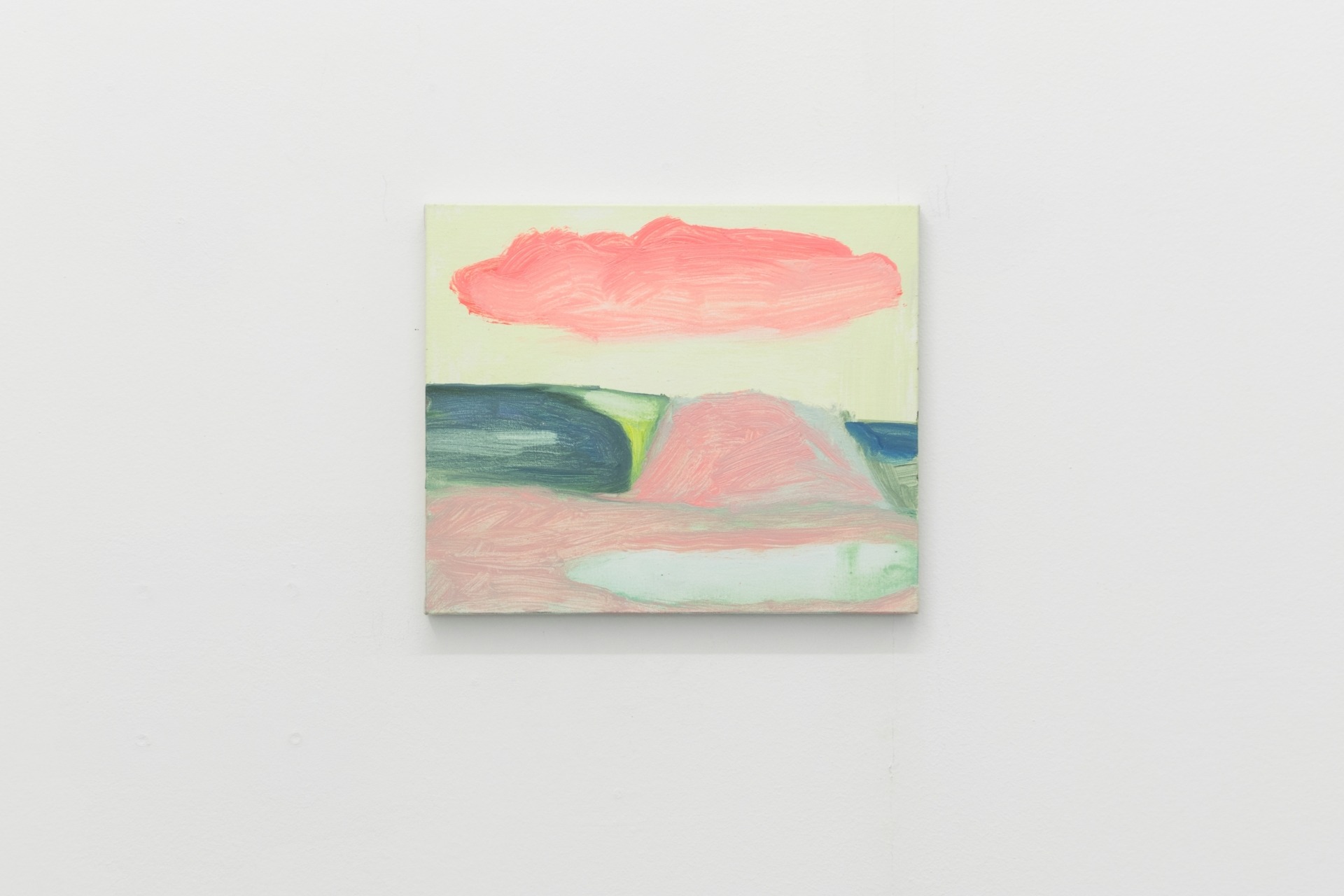
Gabriela Machado
Visit studio, Turquia, 2019
Oil on canvas, 25 x 30 cm
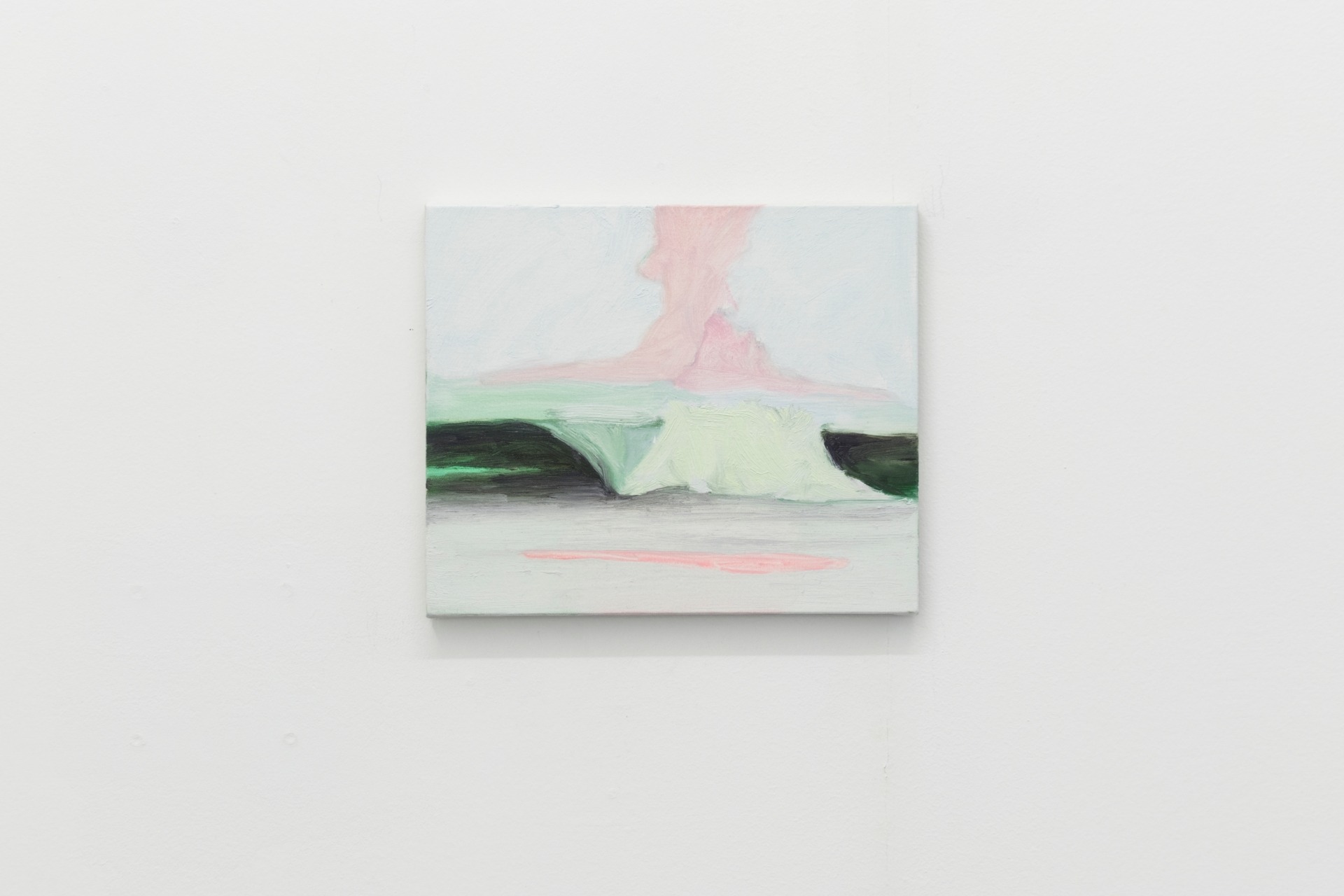
Gabriela Machado
Seu modo de pintar, 2019
Oil on canvas, 25 x 30 cm
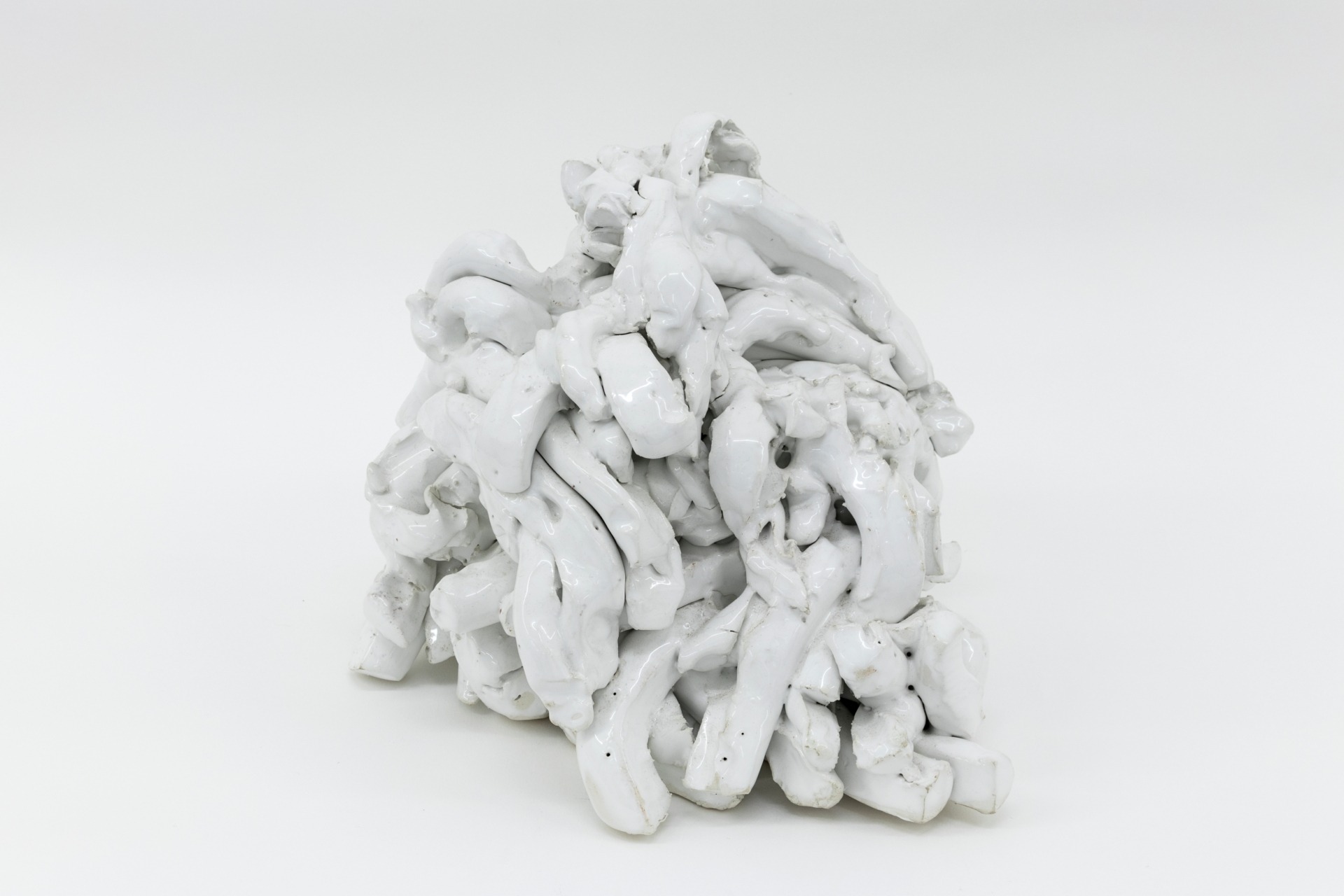
Gabriela Machado
Untitled, 2014
Porcelain, 27 x 35 x 28 cm
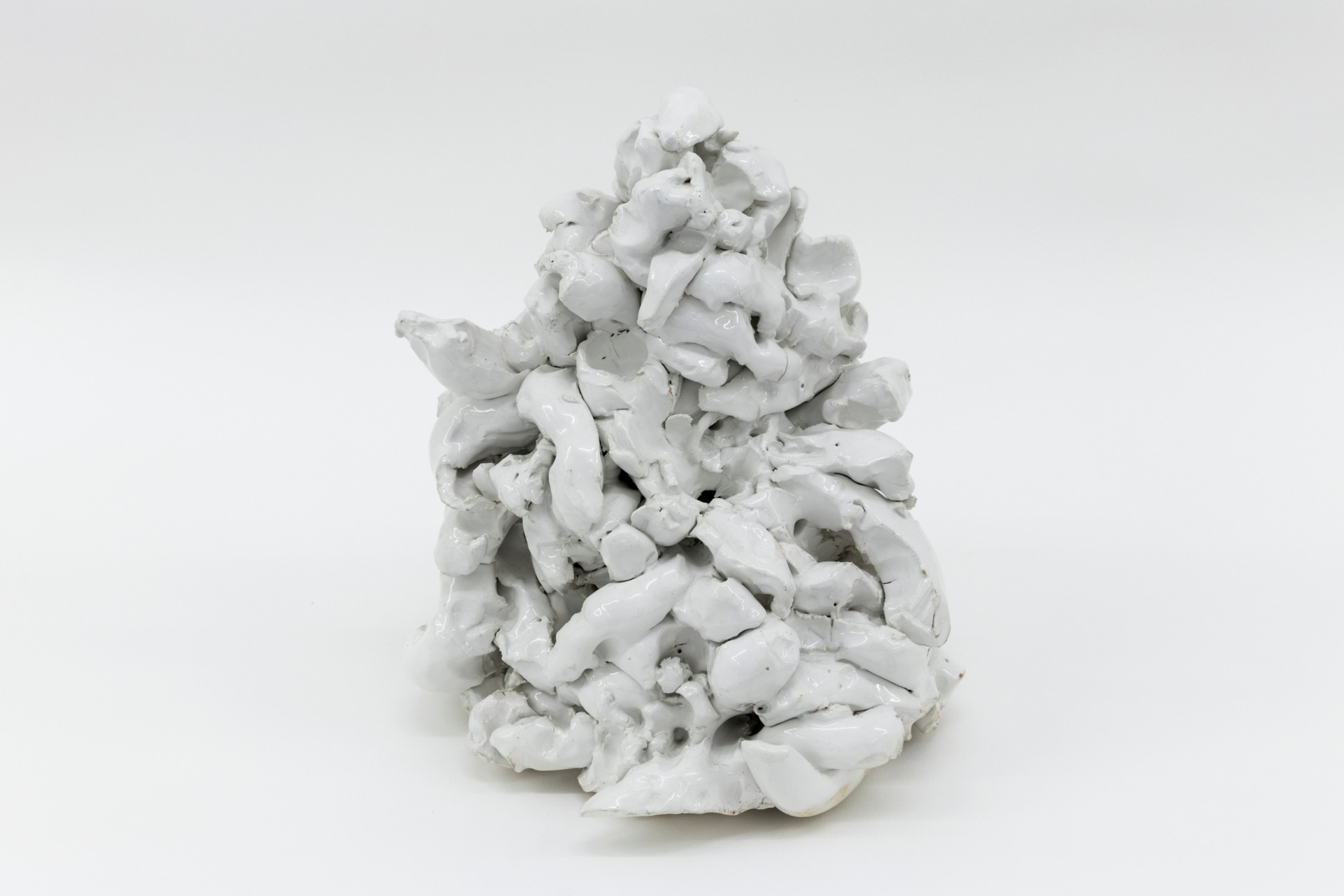
Gabriela Machado
Untitled, 2014
Porcelain, 30 x 27 x 22 cm
Gabriela Machado’s (Joinville, Brasil, 1960) painting, sculpture and drawings tap into the artist’s surroundings and aesthetic compositions found in everyday life. Landscapes and still-life find their form through intense brush strokes, luminous colours and contrasting scales. In the expansive and energetic paintings we can find gestures the length of the human body, strokes that recount moments of movement and glowing shifts of light, often carrying a sense of musicality. These are fragments of a time in which the streets of a country on the other side of the sea are overflown by rhythm, light and glitter. Machado’s paintings and sculptures are works in transit, contaminated by the brightness of the hustle and bustle. The artist’s pieces are ephemeral moments where zones of colour carry places and experiences.
Tito Mouraz
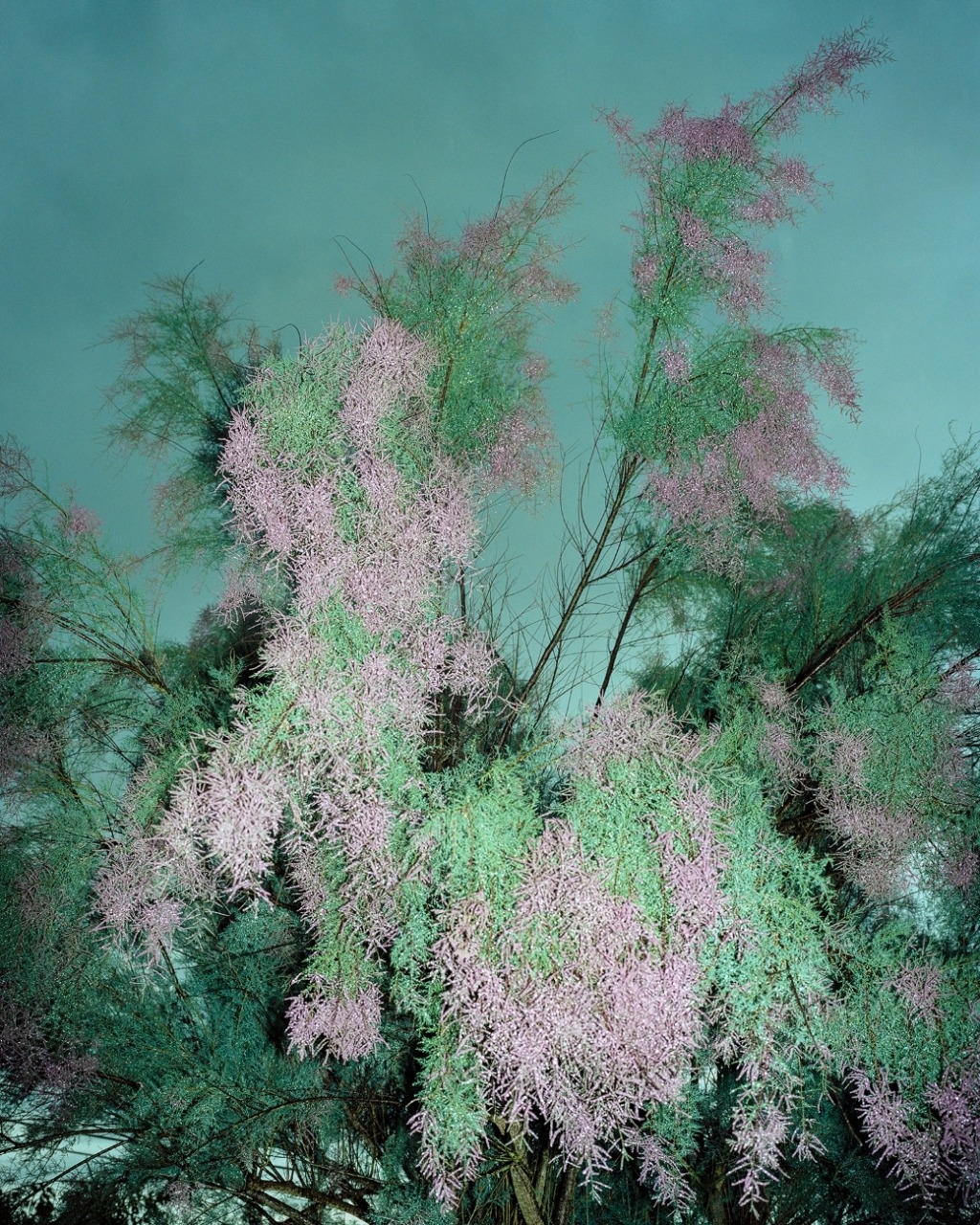
Tito Mouraz
Untitled (Farleigh series), 2022
Pigment inkjet print on Baryta fine art paper, 65 x 52 cm, Ed. 2/5 + 1 AP

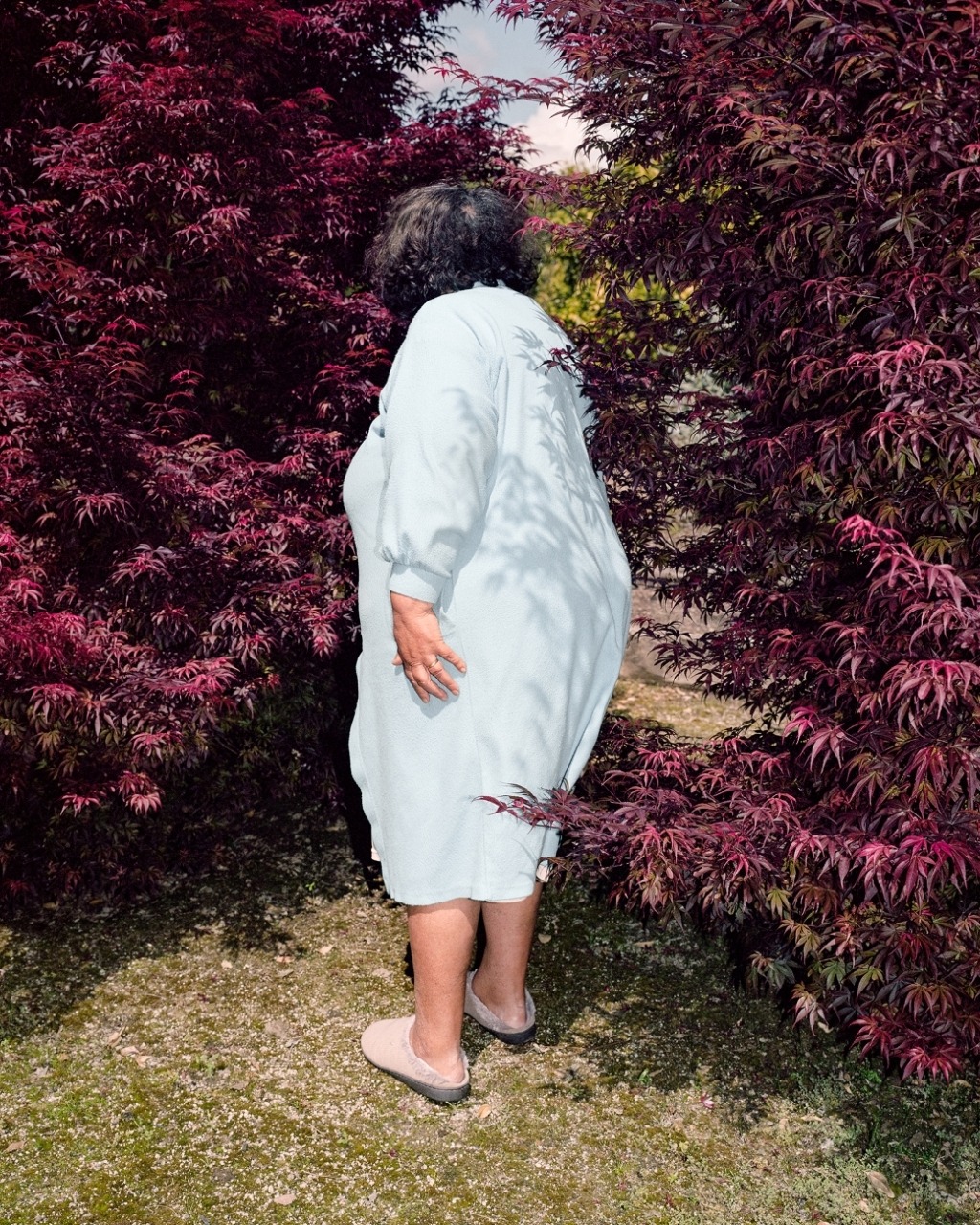
Tito Mouraz
Untitled (Farleigh series)
2022
Pigment inkjet print on Baryta fine art paper, 140 x 113 cm, Ed. 2/5 + 1 AP

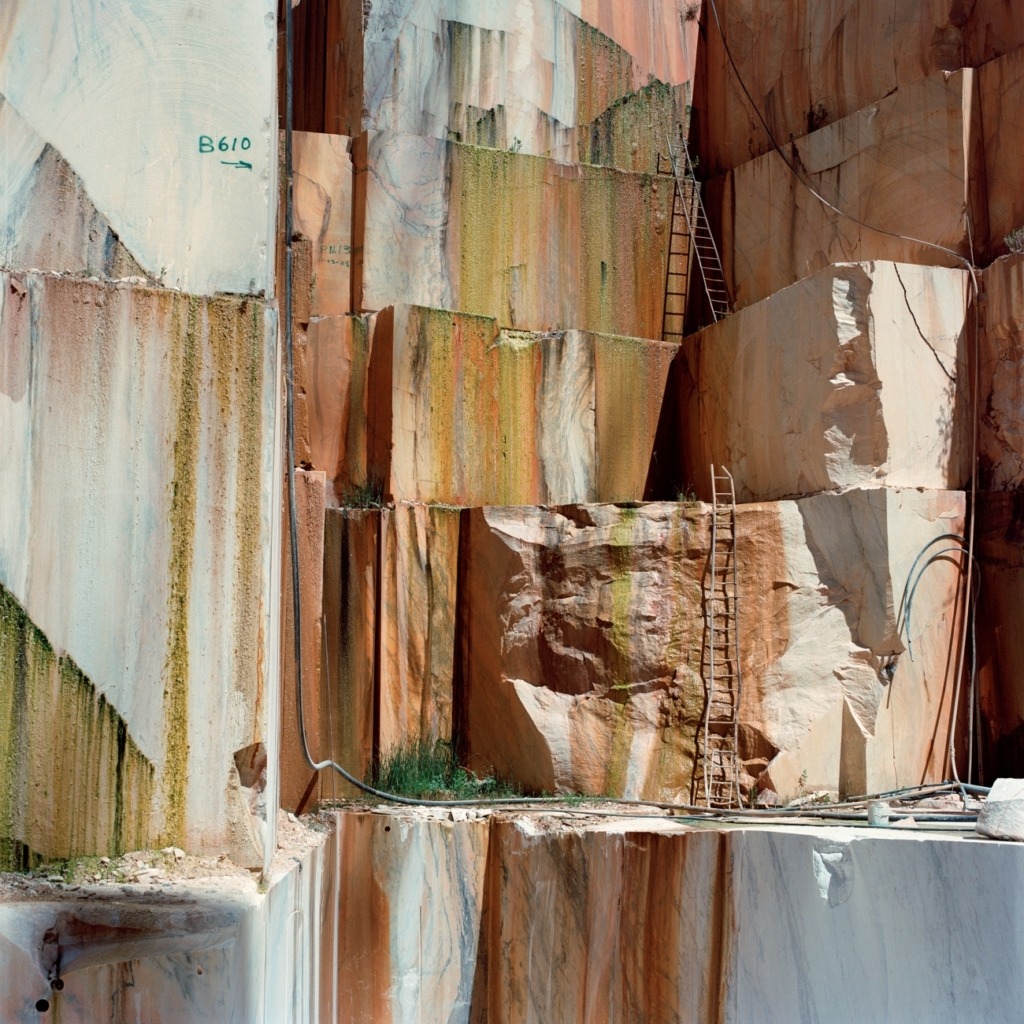
Tito Mouraz
Untitled (Open Space Office series), 2011
Inkjet print on Hahnuemhle photo rag, 310 gsm, 100 x 100 cm, Ed. 3/3 + 1 AP

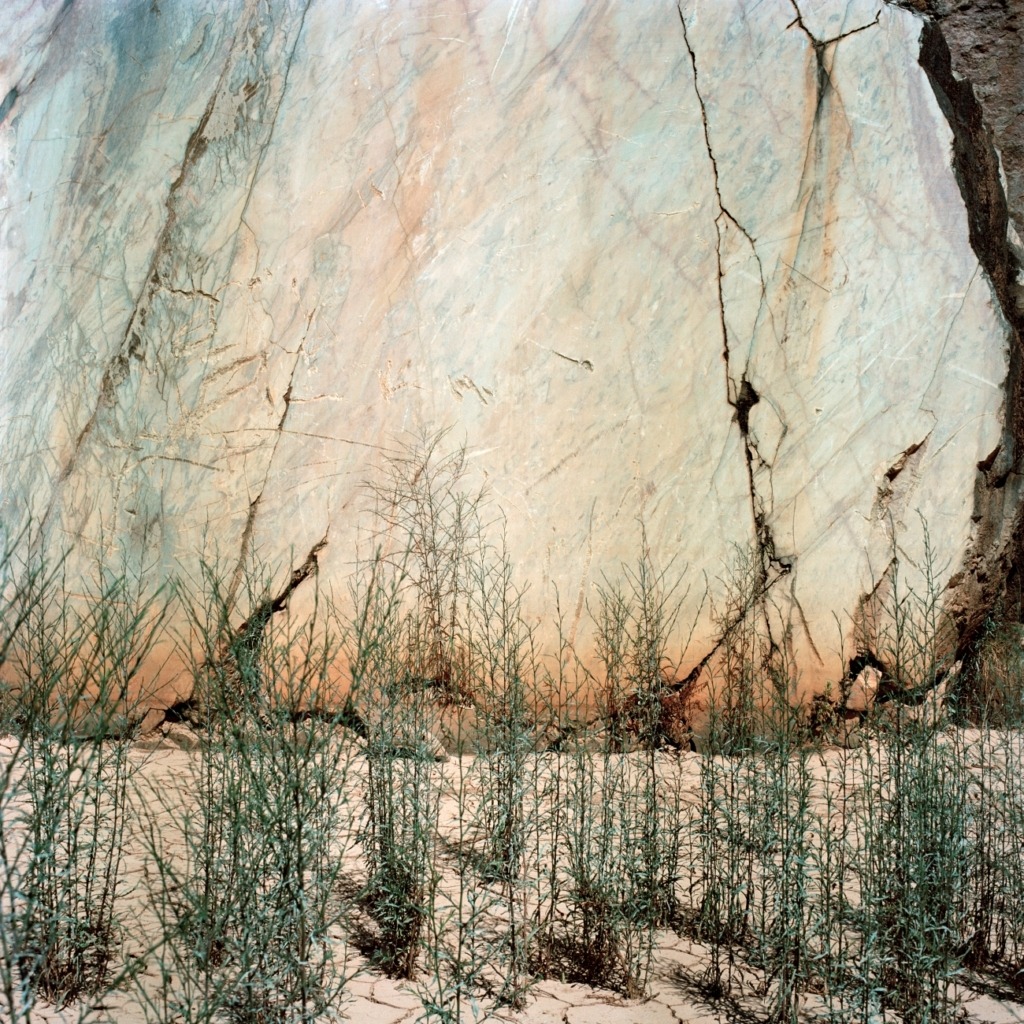
Tito Mouraz
Untitled (Open Space Office series), 2011
Inkjet print on Hahnuemhle photo rag, 310 gsm, 100 x 100 cm, Ed. 3/3 + 1 AP

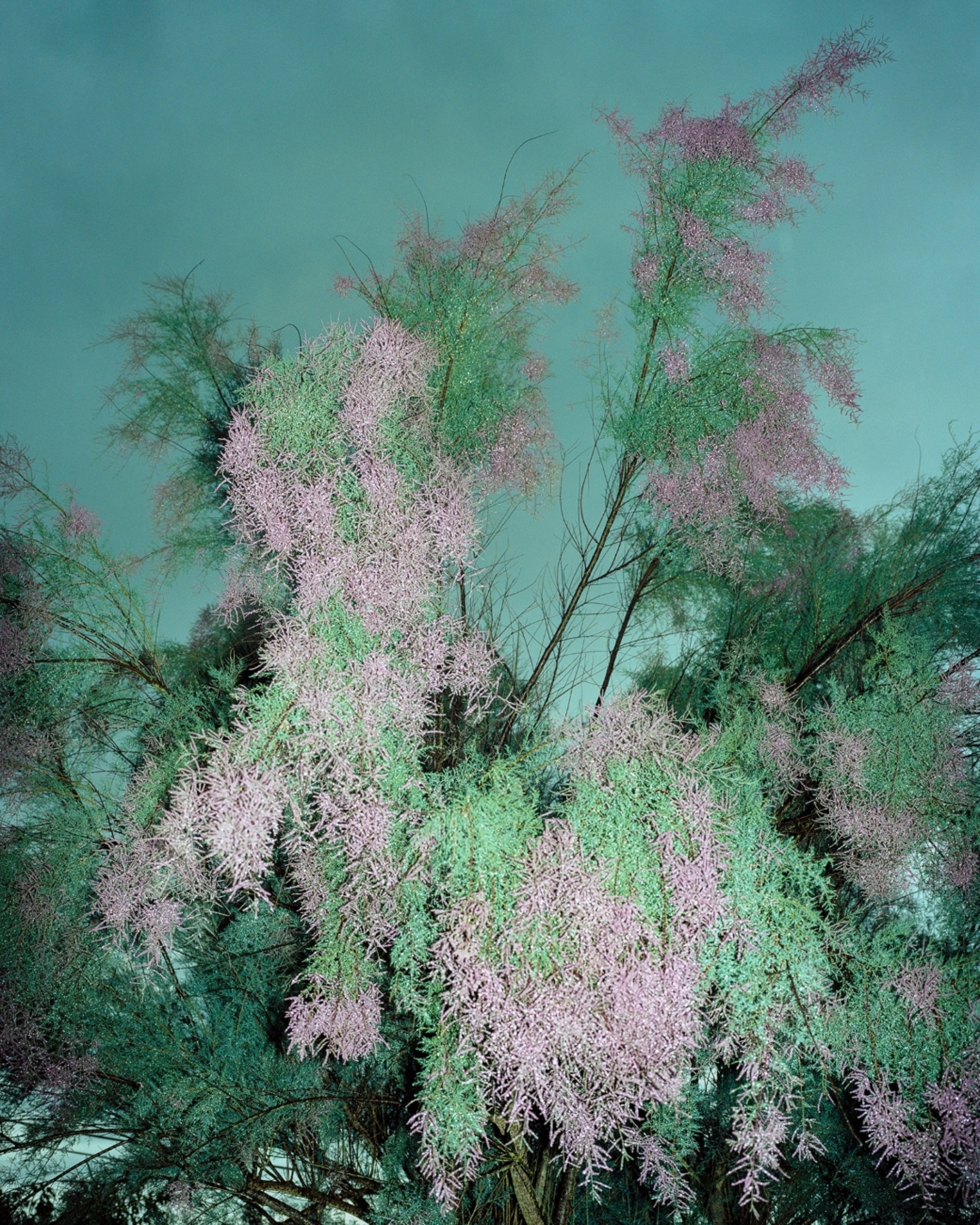
Tito Mouraz
Untitled (Farleigh series), 2022
Pigment inkjet print on Baryta fine art paper, 65 x 52 cm, Ed. 2/5 + 1 AP
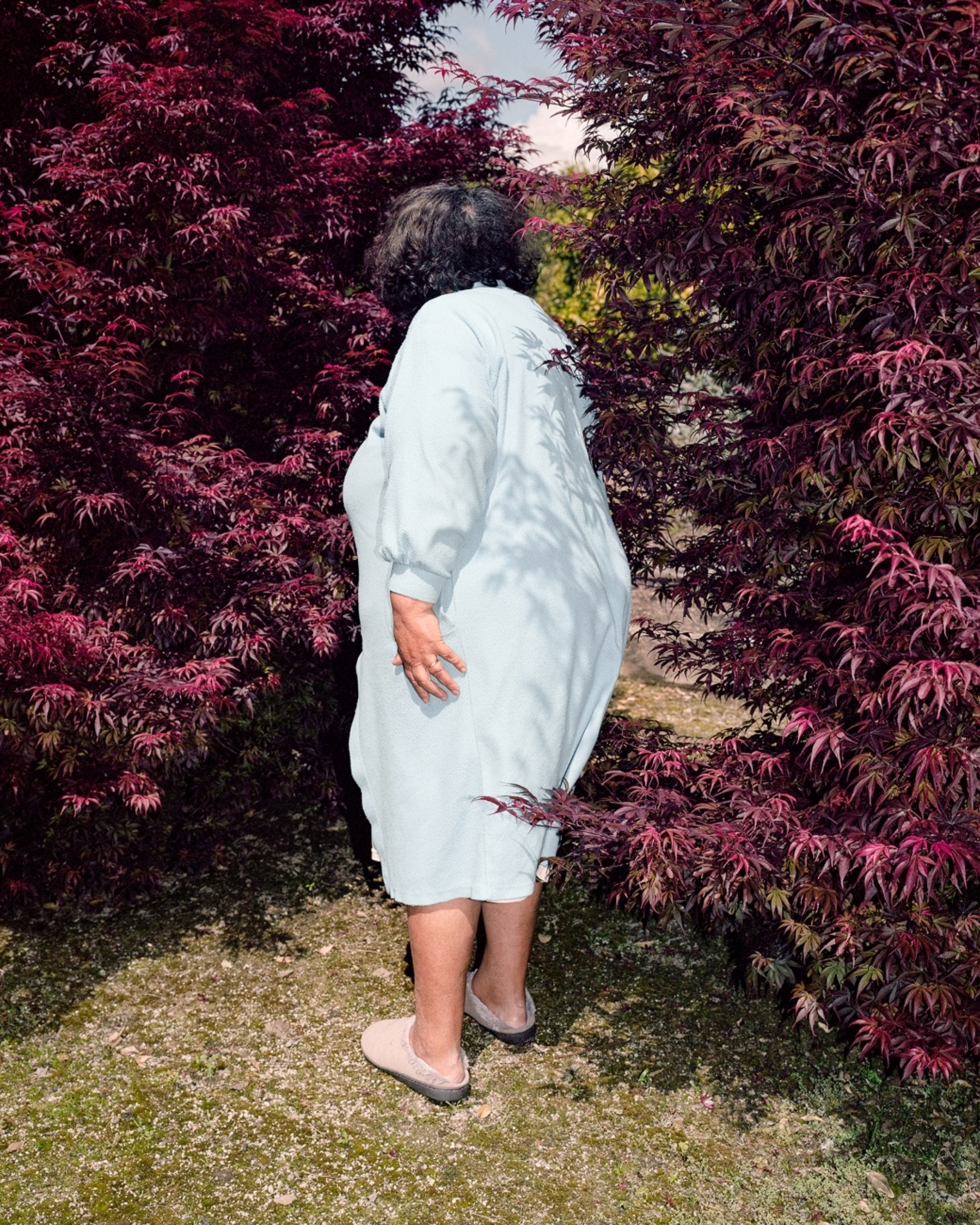
Tito Mouraz
Untitled (Farleigh series)
2022
Pigment inkjet print on Baryta fine art paper, 140 x 113 cm, Ed. 2/5 + 1 AP
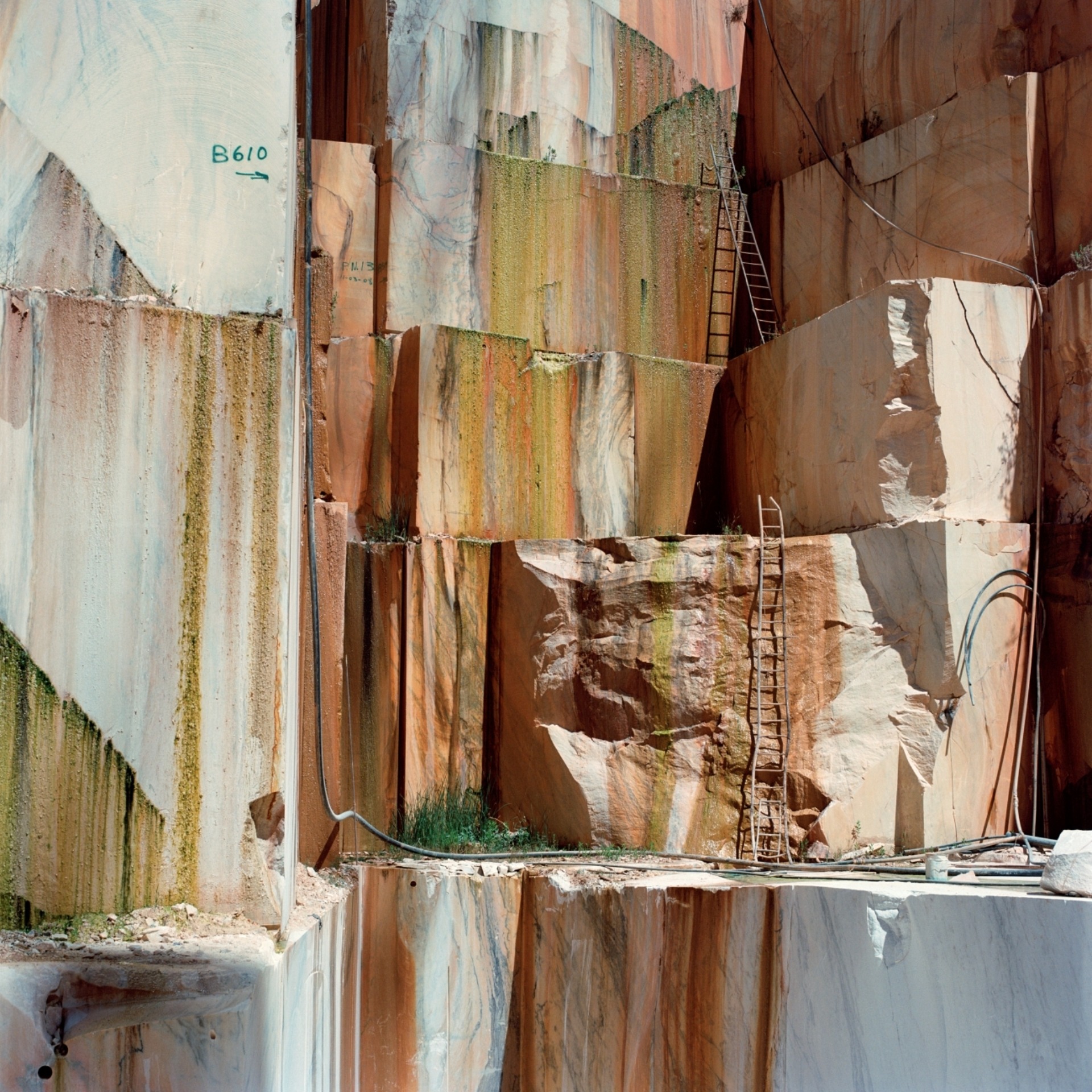
Tito Mouraz
Untitled (Open Space Office series), 2011
Inkjet print on Hahnuemhle photo rag, 310 gsm, 100 x 100 cm, Ed. 3/3 + 1 AP
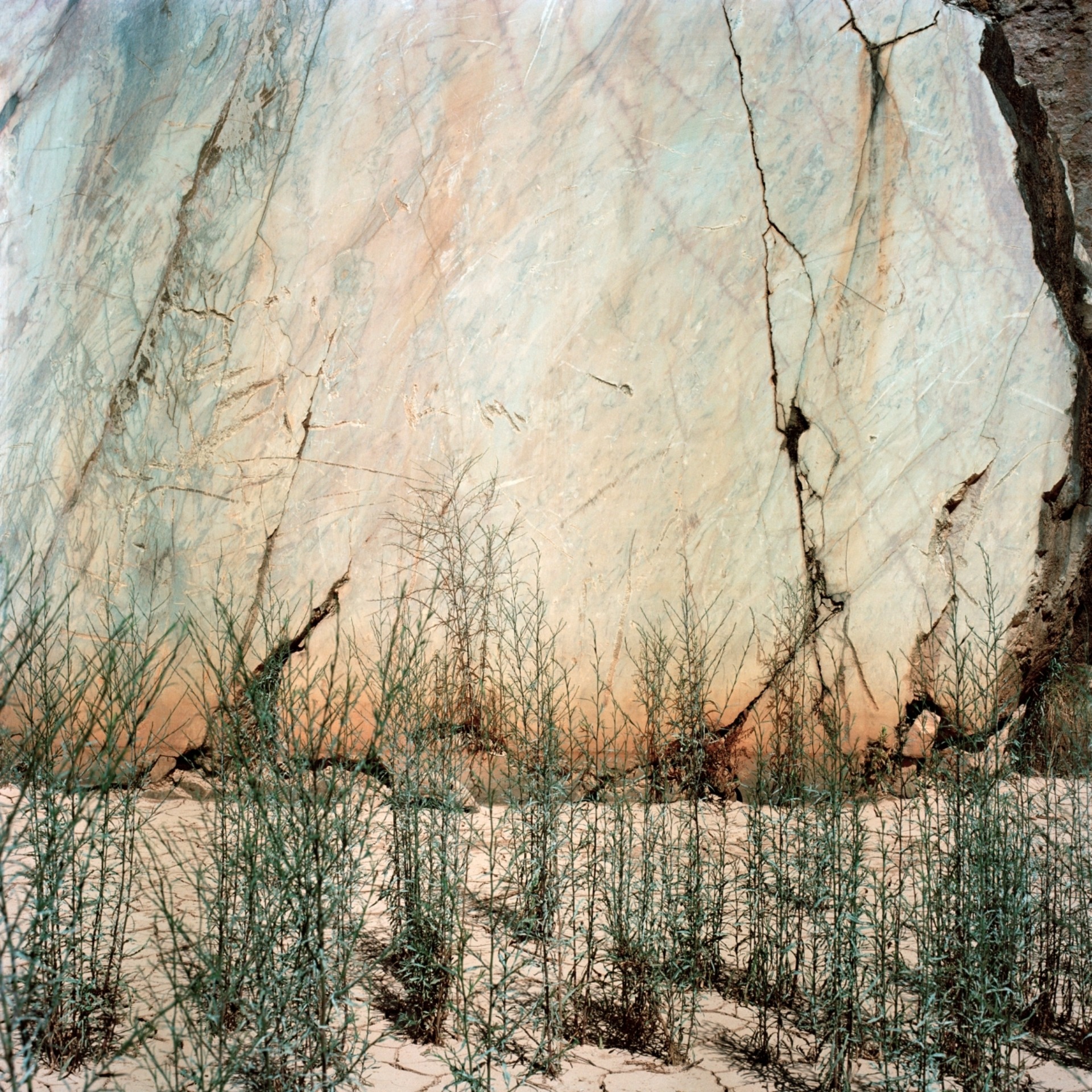
Tito Mouraz
Untitled (Open Space Office series), 2011
Inkjet print on Hahnuemhle photo rag, 310 gsm, 100 x 100 cm, Ed. 3/3 + 1 AP
Tito Mouraz’s (Porto, Portugal, 1977) photography starts from an interest in the landscape. Nature, its remote places, and how the human figure inhabits these spaces are themes that are always present in the artist’s work. His images are often delimited by geographical territories, and all his series are governed by borders. However, in recent series he explores not a specific place, but what the artist calls an emotional geography, portraying instead an imaginary, distant land, a mountain shrouded in mist. Thus, Mouraz uses his camera not only to document physical spaces but to convey feelings and the folklore of the lands he explores, whether real or imagined, not shying away from capturing human figures, as they are also part of the scenery. Mouraz confronts the viewer with images marked by silence that, strangely, awaken a feeling of nostalgia. They are ghosts and spectres, almost palpable but, at the same time, so distant.
Nuno Sousa Vieira
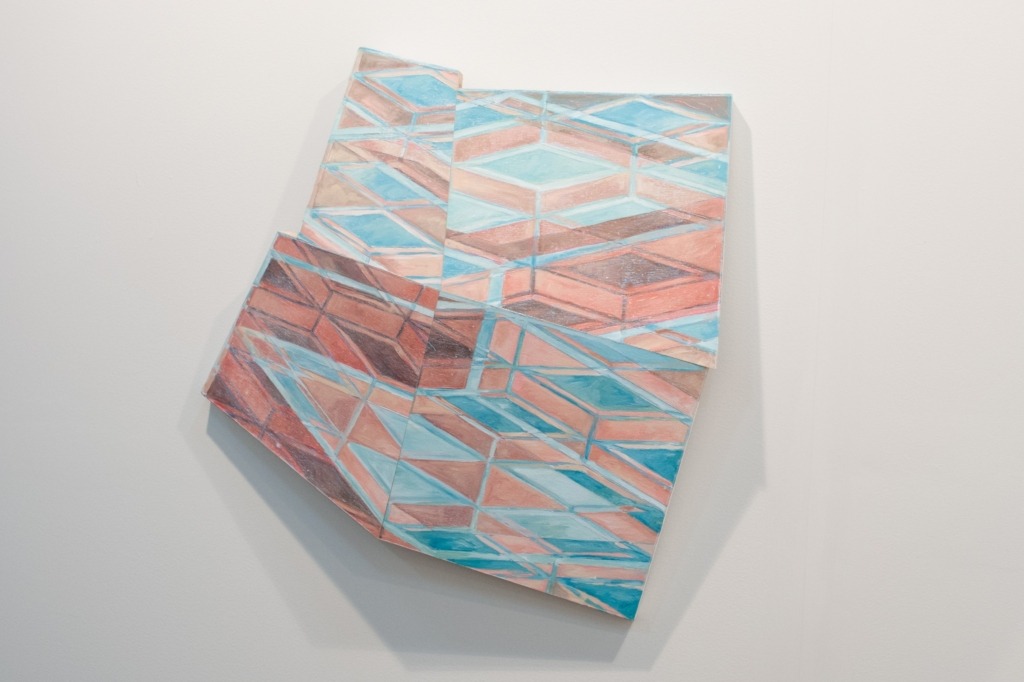
Nuno Sousa Vieira
Densidade Formal #1, 2017
Oil on canvas, MDF and wood, 75 x 75 x 10 cm

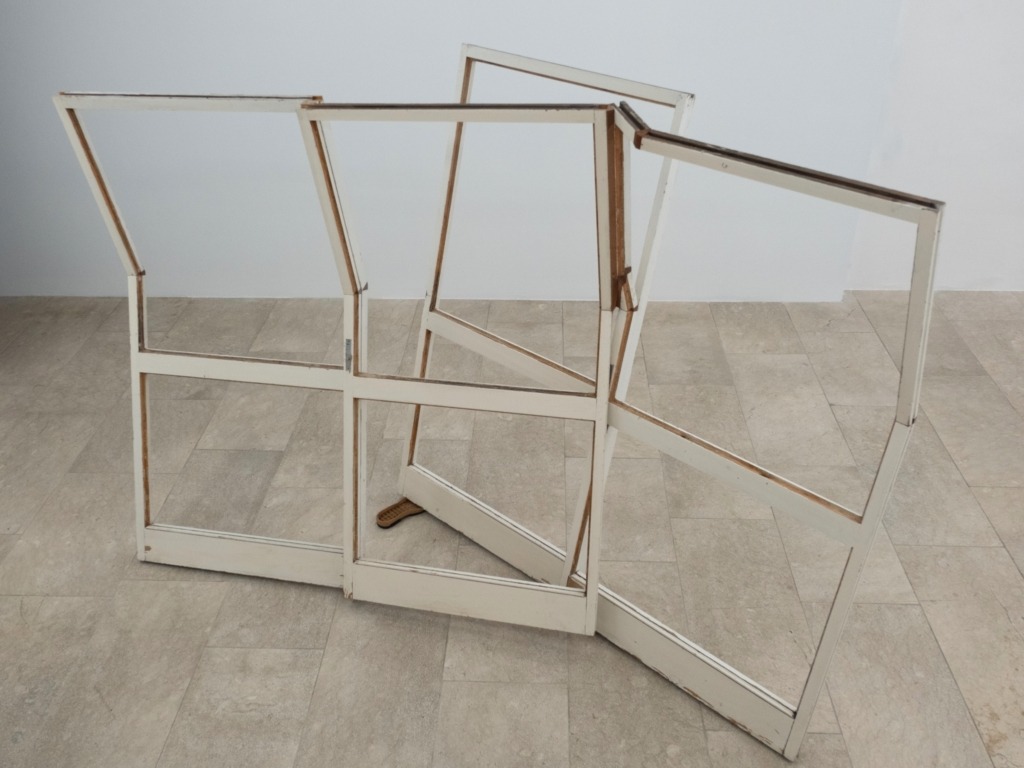
Nuno Sousa Vieira
Procura-mo-nos, 2024
Intervened wooden window, fittings, mahogany wood and rubber sole from the SIMALA studio, 193 x 150 x 265 cm

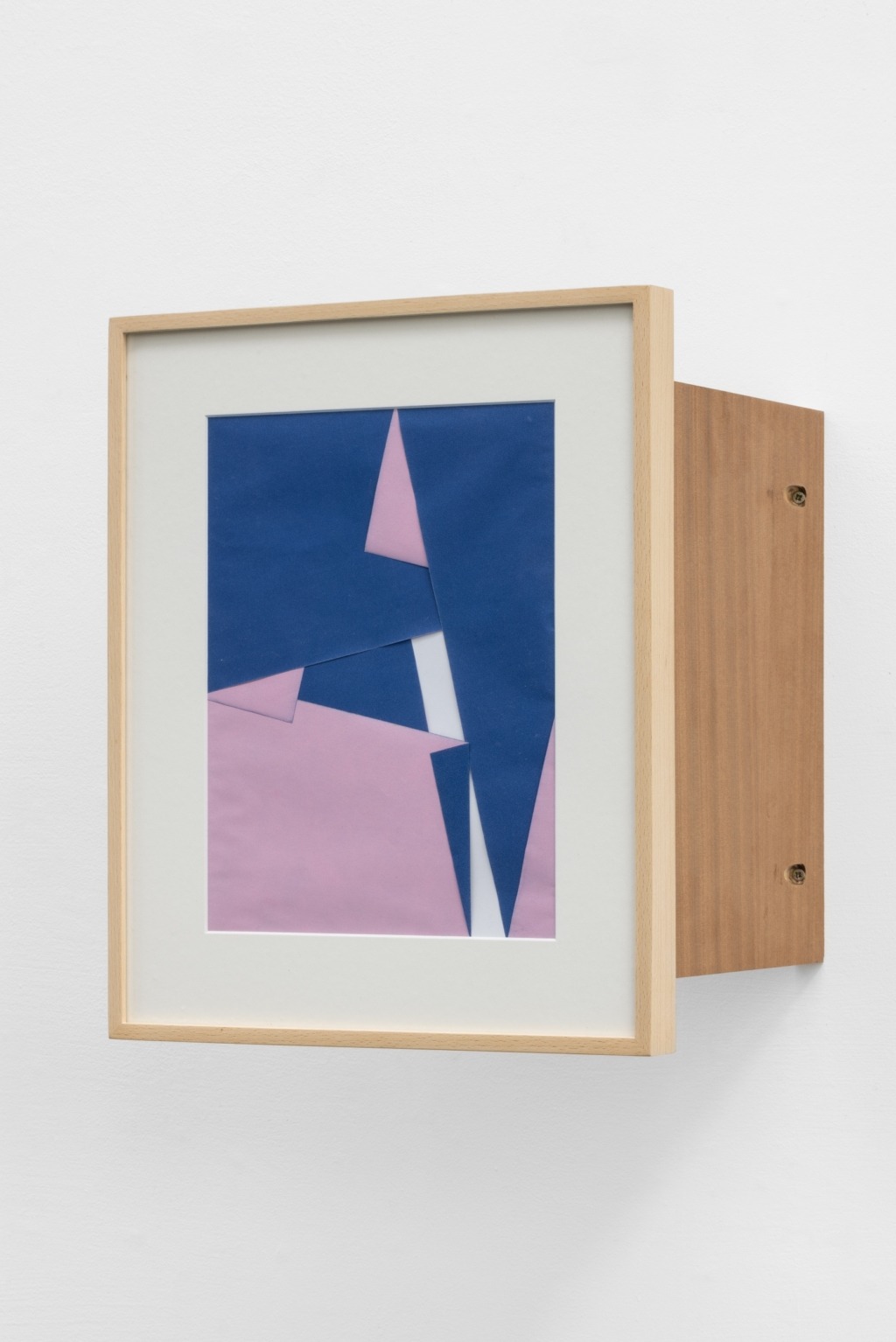
Nuno Sousa Vieira
Visão homogénea, 2022
Carbon paper and folding, wood, 42,5 x 35 x 47 cm

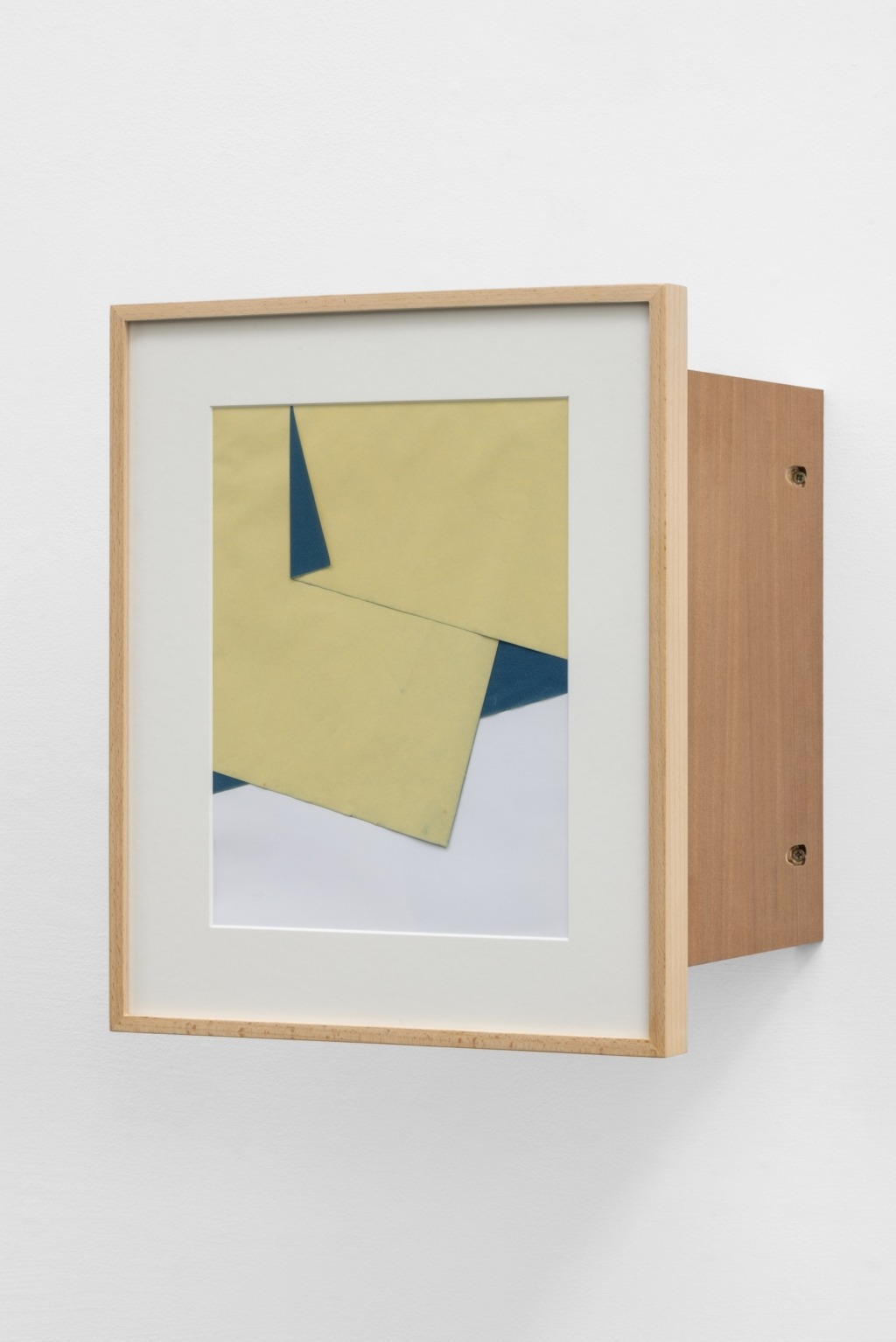
Nuno Sousa Vieira
Visão homogénea, 2022
Carbon paper and folding, wood, 42,5 x 35 x 47 cm

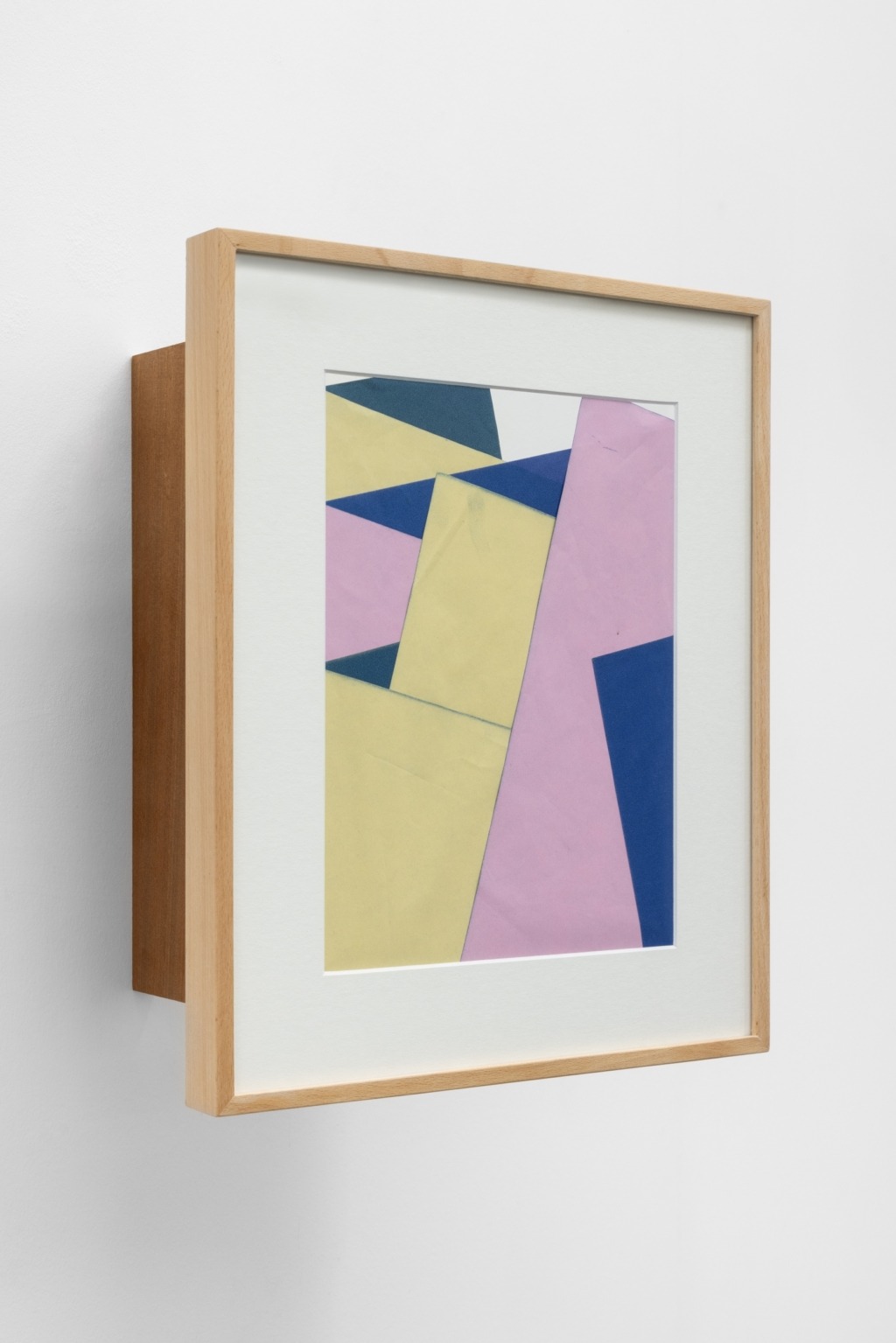
Nuno Sousa Vieira
Visão homogénea, 2024
Carbon paper and folding, wood, 42,5 x 35 x 47 cm

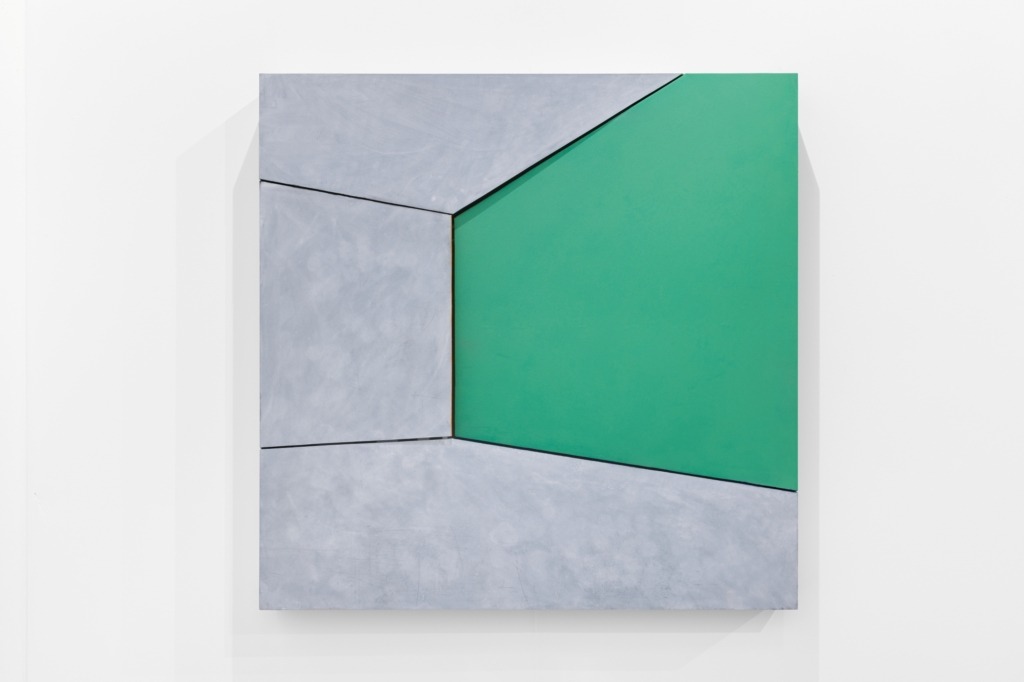
Nuno Sousa Vieira
Espaço para ficar, 2002-2025
Óleo sobre ferro, 100 x 100 x 10 cm

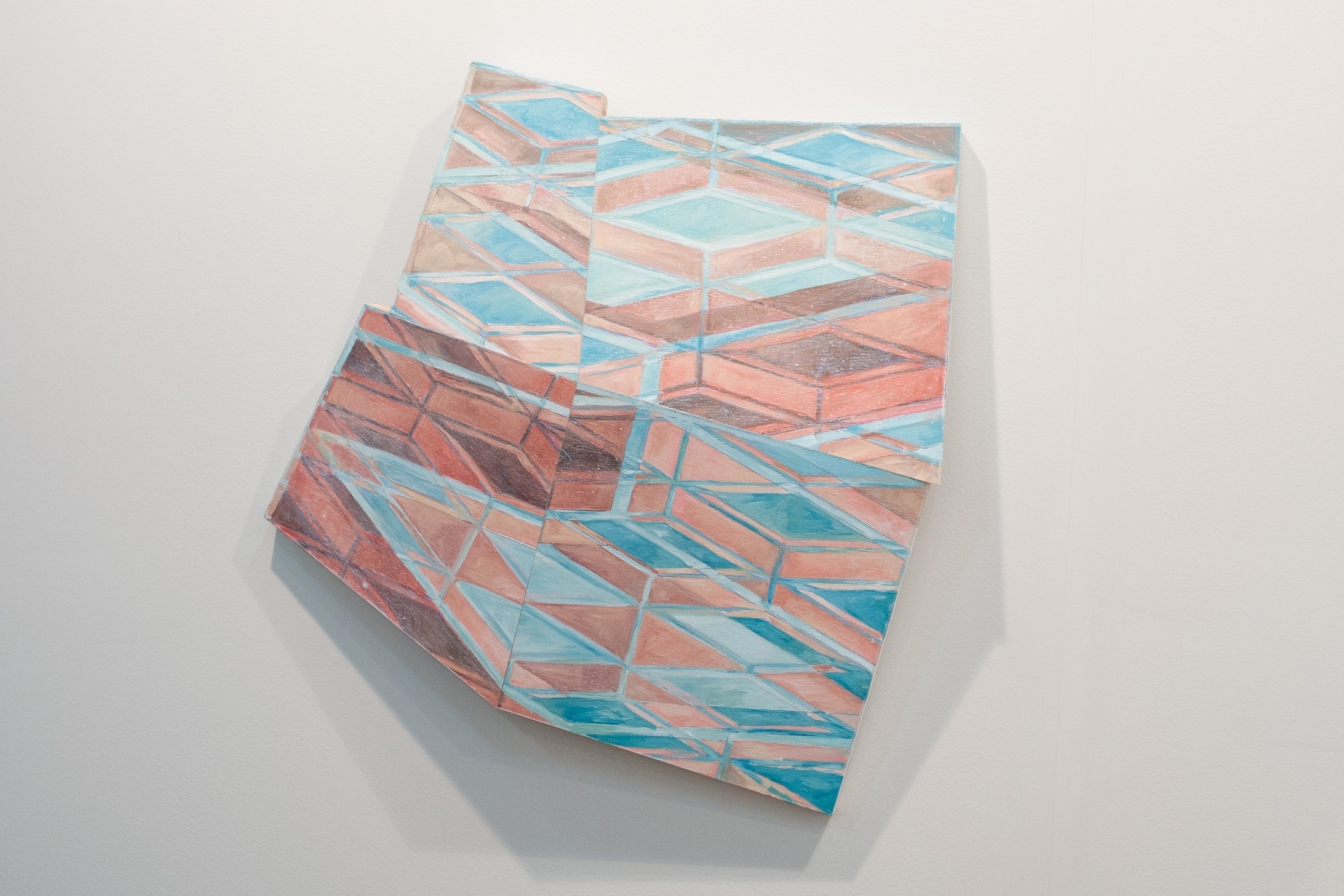
Nuno Sousa Vieira
Densidade Formal #1, 2017
Oil on canvas, MDF and wood, 75 x 75 x 10 cm
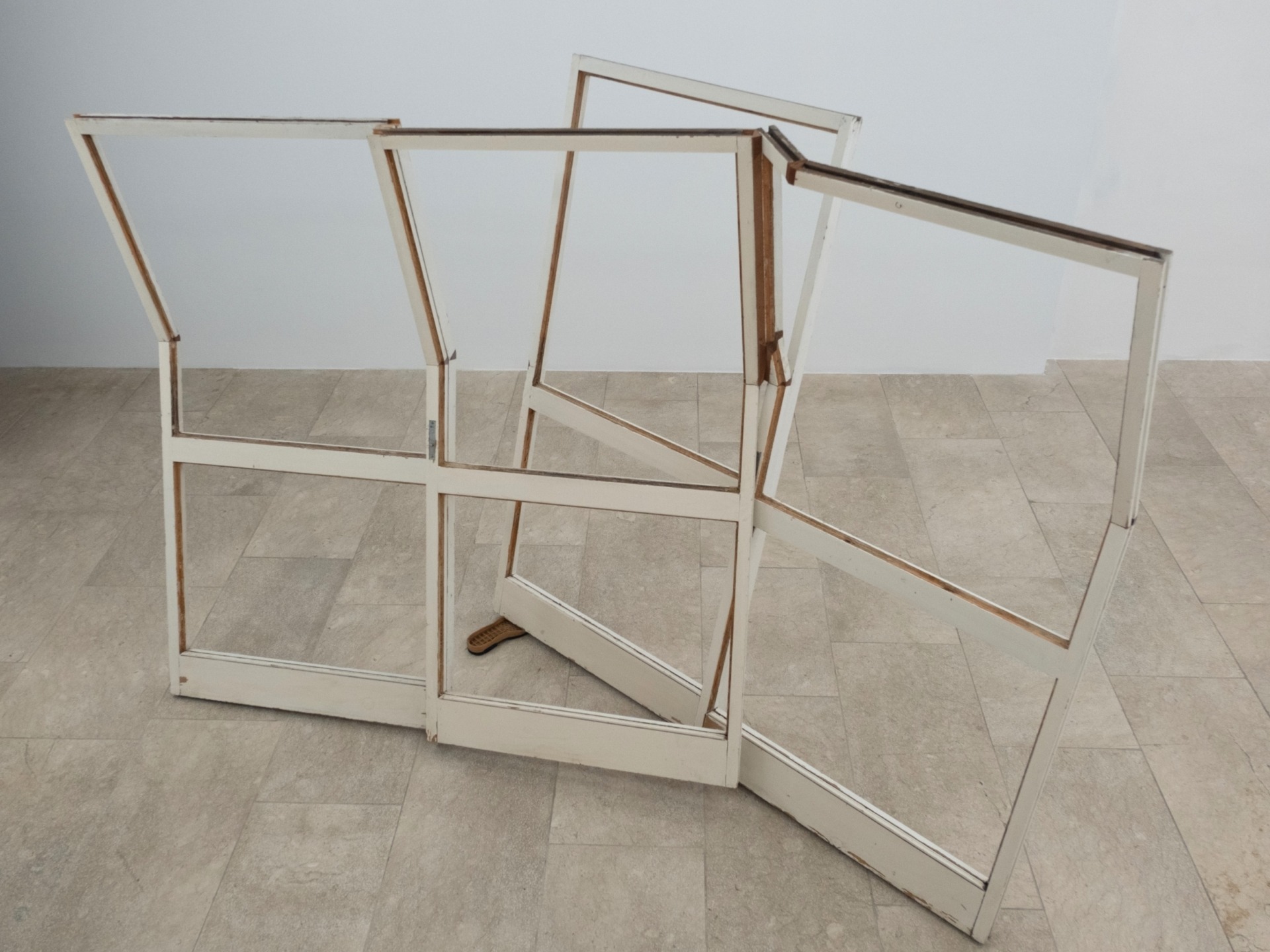
Nuno Sousa Vieira
Procura-mo-nos, 2024
Intervened wooden window, fittings, mahogany wood and rubber sole from the SIMALA studio, 193 x 150 x 265 cm
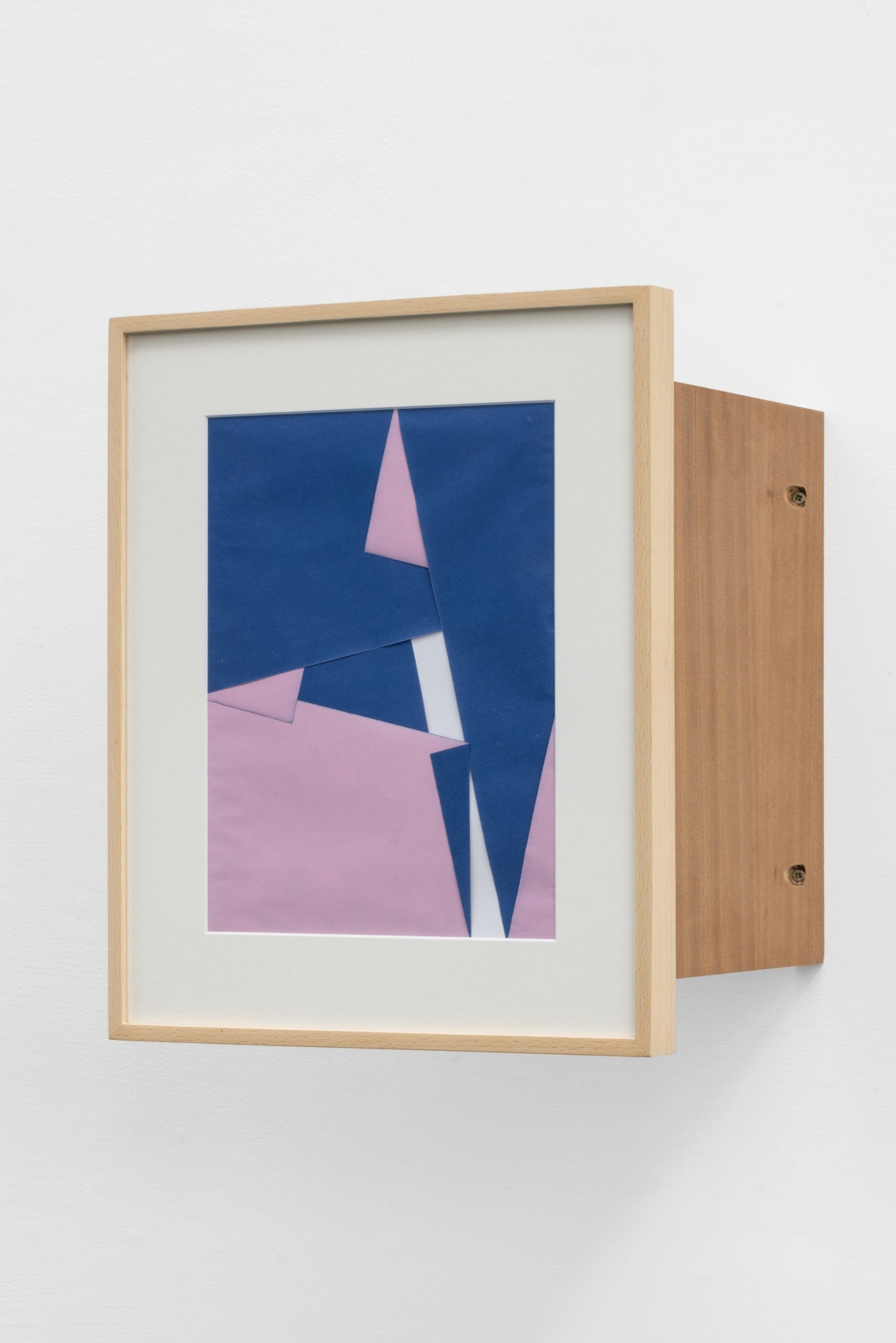
Nuno Sousa Vieira
Visão homogénea, 2022
Carbon paper and folding, wood, 42,5 x 35 x 47 cm
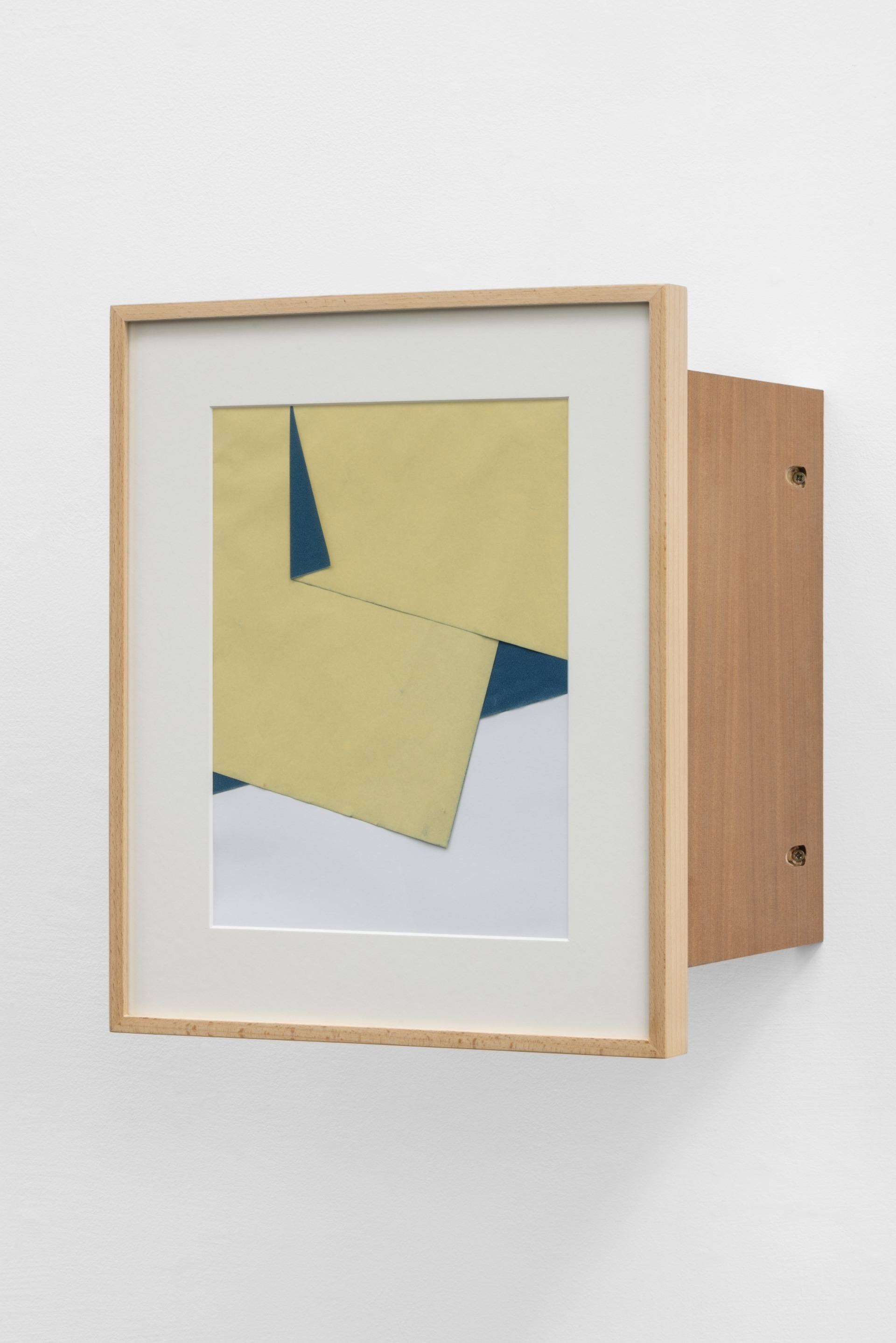
Nuno Sousa Vieira
Visão homogénea, 2022
Carbon paper and folding, wood, 42,5 x 35 x 47 cm
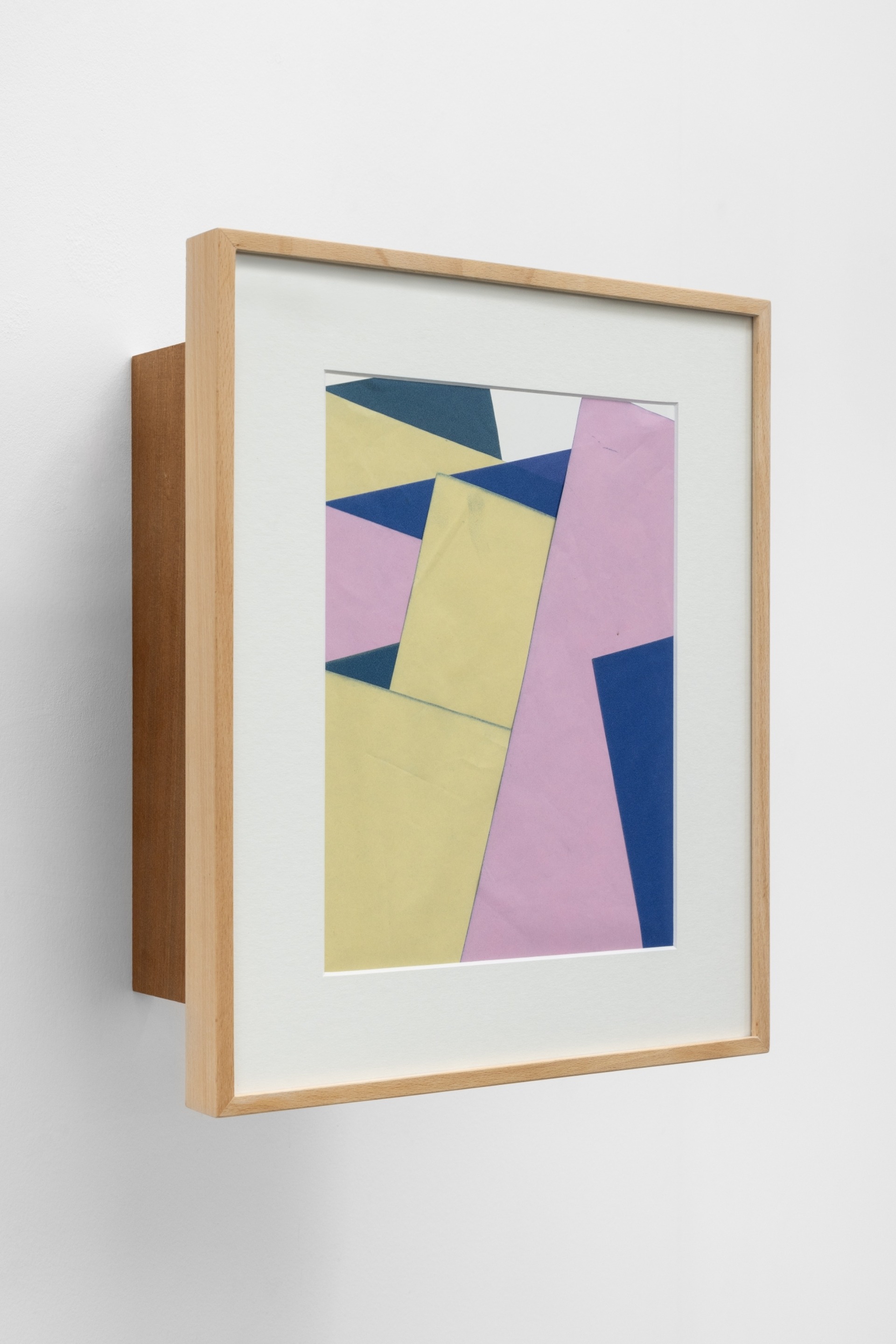
Nuno Sousa Vieira
Visão homogénea, 2024
Carbon paper and folding, wood, 42,5 x 35 x 47 cm
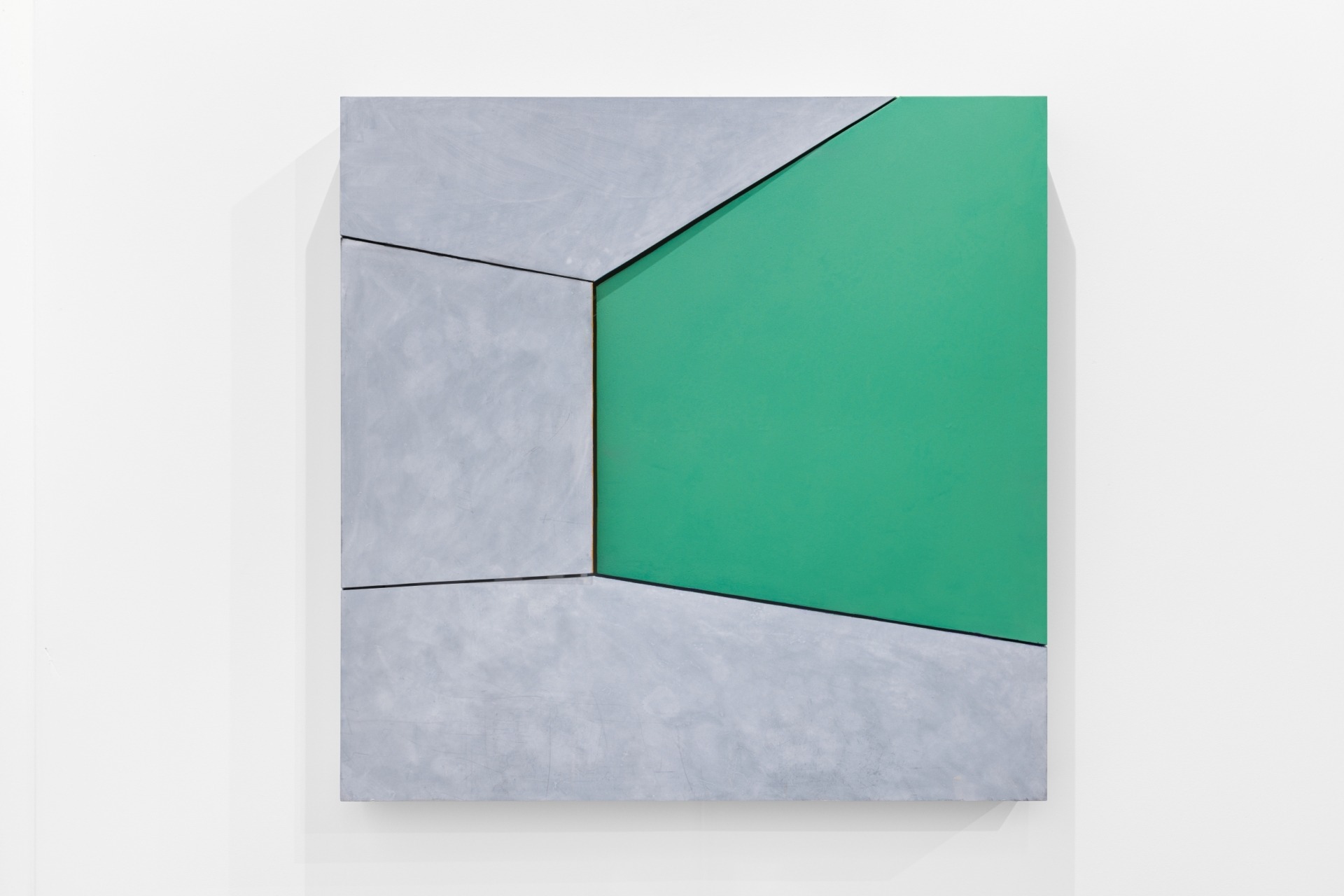
Nuno Sousa Vieira
Espaço para ficar, 2002-2025
Óleo sobre ferro, 100 x 100 x 10 cm
Nuno Sousa Vieira’s (Leiria, Portugal, 1971) multidisciplinary work has been developed in close articulation with the former plastics factory SIMALA, where he established his studio between 2001 and 2021. During the twenty years he has occupied this space, the artist has created a language where the workplace is also the working material. Thus, Sousa Vieira often uses in his works objects and materials left behind when the factory was dismantled, as well as architectural elements of the building, giving matter a second chance. Now, working in a new studio, Sousa Vieira continues to talk about the history that is not part of the great narratives, while balancing two moments: between there and here, the old and the new, the real and the surreal. It is the shifting of our gaze towards what has fallen into obscurity and, along the way, changing our relationship with objects.